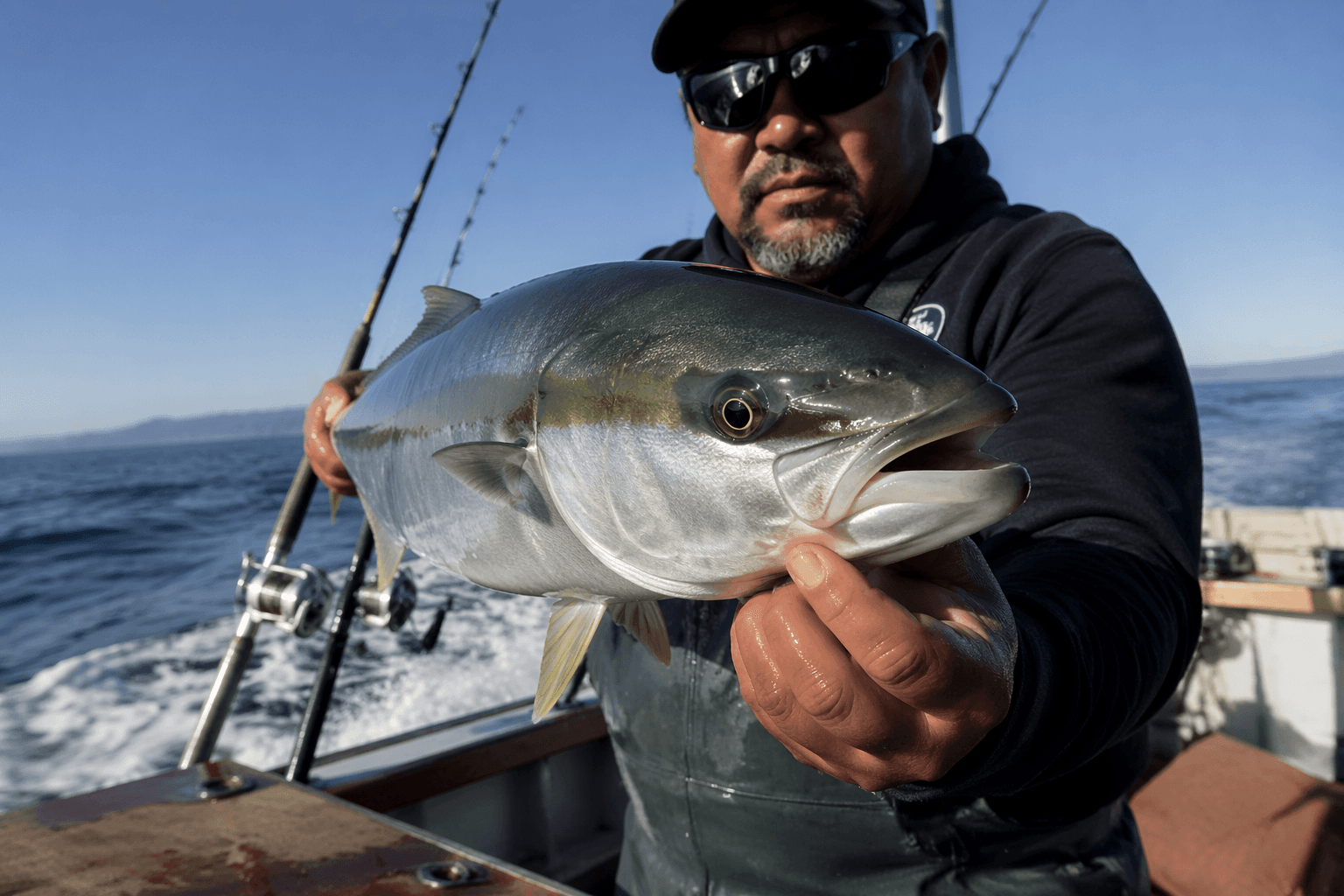
Study shows circle hooks cut bluefin tuna release mortality sharply
Circle hooks changed the bluefin math: 94% jaw hookups and 4% estimated release mortality, without giving up catching success.

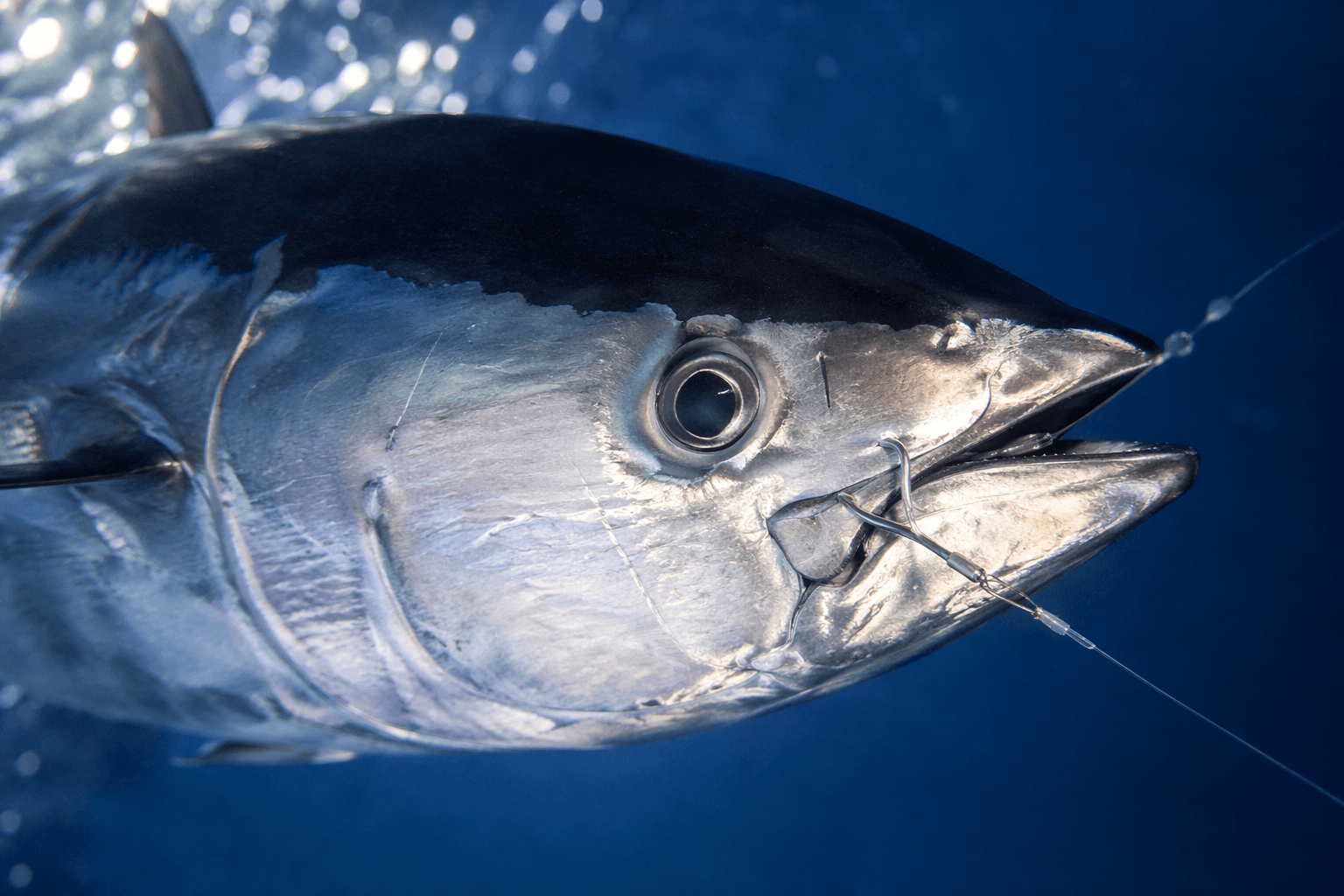
A circle hook turned a bluefin release from a gamble into a much cleaner bet. In a study of juvenile Atlantic bluefin tuna, 94% of fish caught on circle hooks were hooked in the jaw, while only 4% were hooked deep enough to threaten the throat or esophagus, and the estimated release mortality landed at 4%. Straight hooks, by contrast, put only 52% of fish in the jaw and pushed deep hooking to 34%, with estimated release mortality climbing to 28%.
What the study tested on the water
The comparison came from offshore recreational trips made during the summers of 1997, 1998, and 1999 off Virginia and Massachusetts. Researchers from the Massachusetts Division of Marine Fisheries and NOAA matched the tackle as closely as possible and fished natural bait, which makes the result especially useful for anyone who trolls live bait or drifts baits for bluefin today.
The hook sizes were not identical in appearance or behavior. Circle hooks were 12/0, while straight hooks ranged from 5/0 to 8/0. The team caught and examined 101 bluefin tuna, enough to show a clear pattern rather than a one-off fluke. Catching success was similar between the two hook styles, so the circle hook did not cost anglers fish in exchange for the better release outcomes.
Why hook choice mattered in the first place
This was never just a tackle preference debate. Bluefin management already depended on catch quotas, bag limits, and minimum sizes, which meant more fish were being released whether anglers wanted to or not. Once a fish is going back, the important question changes fast: did the hook land where the fish can survive it?
That is where the study gives bluefin anglers a practical answer. If the goal is to comply with release rules and still keep a fish healthy, hook style is one of the few decisions that can swing the odds so dramatically. The difference between 4% and 28% release mortality is not a marginal tweak, it is the difference between a fish that likely swims off and a fish that is far more likely not to make it.
What the numbers say about hookup location
The most useful detail for the bluefin deck is where the hook ended up. Circle hooks put fish in the jaw 94% of the time, which is exactly what most anglers want when they are fishing for a fish they may need to release. Jaw hookups are easier to unhook, cause less internal damage, and make a fast release more realistic.
Straight hooks produced a much messier result. Only 52% of the fish were jaw-hooked, and deep hooking in the pharynx or esophagus jumped to 34%. That is the kind of placement that turns a short encounter into a serious injury, especially on a species as powerful and valuable as bluefin. The study’s estimated mortality numbers track that damage closely, with straight-hook fish dying at a far higher rate after release.
What to tie on for live-bait bluefin
If you are drifting natural bait for bluefin and expect any chance of release, the study points hard toward the circle hook as the default. The important thing is not just that it caught fish, but that it caught them in a cleaner place without reducing success. That makes it the more sensible starting point for anyone rigging bait for compliance-minded fishing.
A practical bluefin live-bait setup from this evidence looks simple:
- Use a circle hook when the bait is natural and the fish may be released.
- Keep the bait presentation natural, because the study’s advantage came from a baited offshore setup, not an artificial lure bite.
- Choose a hook size that matches the bait and the fish you expect, with the study’s tested circle hooks at 12/0 and straight hooks in the 5/0 to 8/0 range.
- Let the fish come tight before loading the rod, so the hook can rotate into the jaw instead of sliding deeper.
That last point matters because circle hooks work by changing the way the fish gets hooked. The payoff is not in a dramatic strike, it is in a cleaner load-up that sets the point where it belongs.
When catch-and-release is the plan
For catch-and-release bluefin fishing, the study gives a very clear hierarchy. Circle hooks should be the first choice because they cut deep hooking to 4% and keep estimated release mortality at 4%. Straight hooks are not just less tidy, they are much more punishing when the fish has to go back.
This matters most when the trip is built around conservation, when the fish are under legal size, or when quota and bag rules leave release as part of the day’s reality. In that setting, the hook is not a minor rigging detail. It is the difference between a release that has a real chance and a release that carries a heavy penalty.
When minimizing gut-hooking is the main goal
Some bluefin trips are not pure release trips, but they still need to keep gut-hooking low. That is where the study is especially useful, because it shows the circle hook did not meaningfully reduce catching success while dramatically improving hookup location. You are not trading productivity for ethics here. You are changing where the hook lands.
If gut-hooking is the concern, straight hooks are the wrong bet. Their deep-hooking rate in the study was 34%, which is a huge jump from the 4% seen on circle hooks. For anglers who fish natural bait but still want the option to release a fish cleanly, that gap is the whole story.
The bluefin decision that still holds up
The reason this study still matters is that it answers a question bluefin anglers keep facing on every bait drift: if a fish may need to go back, what hook gives it the best chance? The answer from these 101 tuna is plain. Circle hooks put the fish in the jaw, kept deep hooking rare, and held release mortality to 4% without sacrificing catching success.
That is the kind of result that changes rigging from habit into choice. When the bait starts to drift and the line comes tight, the circle hook gives you the cleaner hookup, the safer release, and the better bluefin outcome.
This article was produced by Prism’s automated news system from verified source data, official records, and press releases, then run through automated quality and moderation checks before publishing. The system is built and supervised by the people who set the standards it runs under. Read our full AI policy.
Know something we missed? Have a correction or additional information?
Submit a Tip