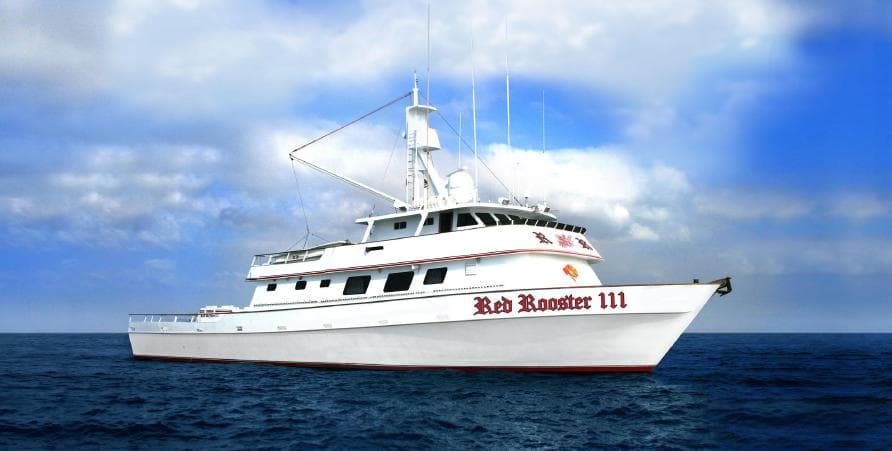
Excel pivots from stubborn bluefin to productive yellowtail run
Excel spent two days staring at bluefin that would not bite, then turned a stalled tuna trip into quality yellowtail by working kelp paddies on the last day.
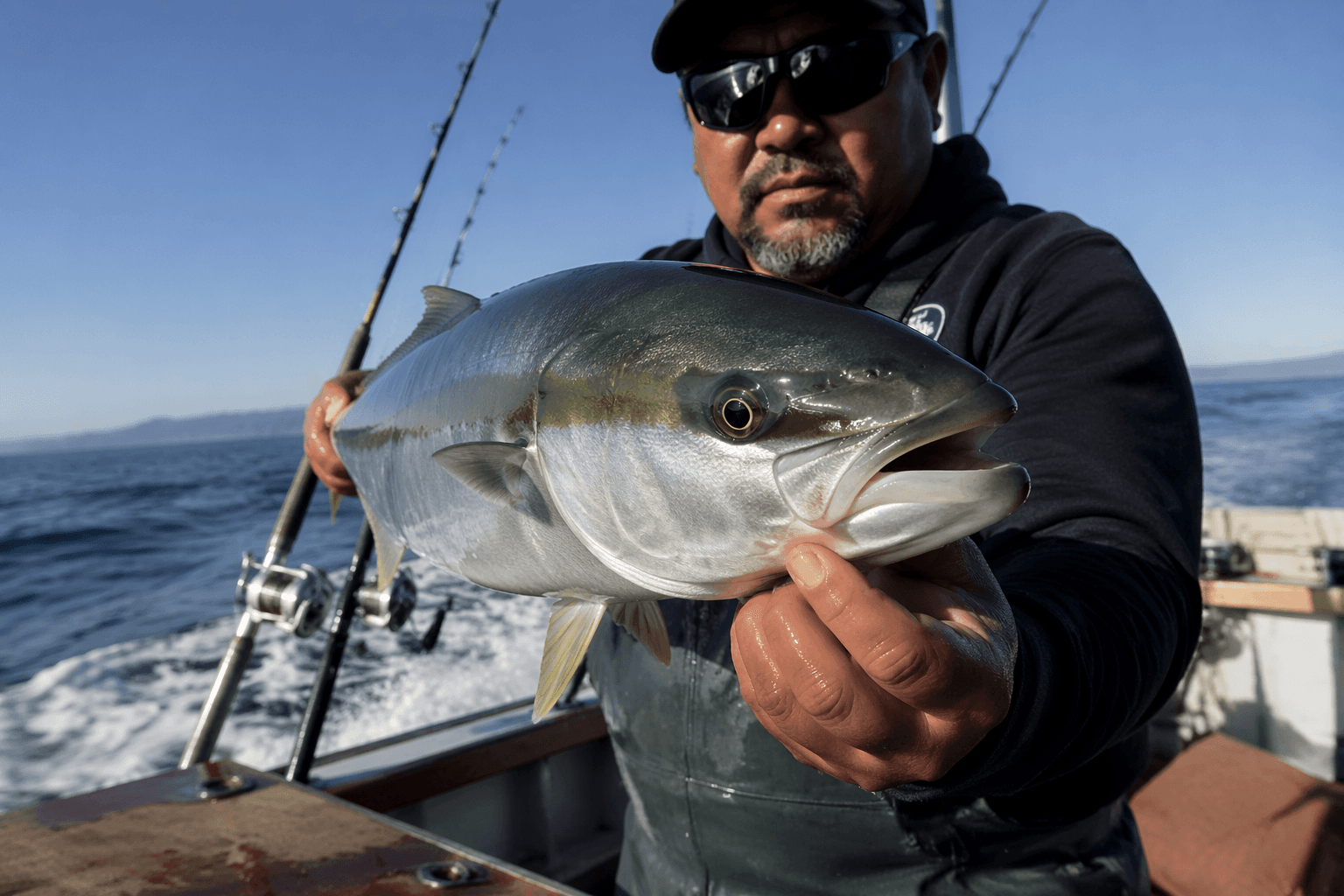
Excel’s annual Western Feed three-day run delivered a classic Southern California lesson in offshore decision-making: bluefin can be there, show themselves, and still refuse to bite. After two days of looking at non-biting bluefin schools, the crew stopped pressing the dead tuna pattern, shifted to kelp-paddy hopping, and scratched up quality yellowtail on the final day. That move is the part every long-range crew pays attention to, because it turns a frustrating bluefin watch into a productive trip.
When bluefin are present but not cooperative
The key detail in Excel’s June 26 report is not that bluefin were absent. It is that the boat found them, watched them, and still could not turn that presence into a catch. That distinction matters in late-summer offshore fishing off San Diego, where sonar marks and visible schools can create the illusion that the bite should happen any minute.
Excel’s crew made the practical call that separates a saved trip from a wasted one. Rather than burn the whole run chasing inactive tuna, they pivoted away from the schools and into a more workable yellowtail program. For anglers, that is the real takeaway: a boat can be on fish and still need a different plan if the fish are window-shopping instead of feeding.
What the last-day pivot looked like
On the final day, the crew went kelp-paddy hopping and came away with quality yellowtail. That style of fishing is a different mindset from pure tuna hunting. It leans on reading floating structure, staying alert for small opportunities, and making the most of offshore life around the boat instead of waiting on a bluefin school to decide to bite.
The report makes the sequence clear. First came the bluefin search, then the shift to structure-based fishing, then the payoff. That is a useful model for any long-range run that leaves the dock aimed at tuna but has to live with what the ocean actually gives up. The lesson is simple: when the tuna shut down, the trip is not automatically dead if the crew has a second species ready to go.
What to have ready when a tuna plan stalls
The most practical part of the Excel trip is the reminder that a tuna boat should not be a one-species operation. If the plan is built only around stubborn bluefin, the crew risks spending the entire trip staring at fish that never commit. If the boat can shift cleanly to yellowtail and kelp-paddy work, the day can still turn into something worth landing.
A productive backup plan starts with attitude, but it also depends on preparation. Keep the crew ready to change pace quickly, because the successful move on this trip was not improvisation in the moment so much as the willingness to abandon a stalled bluefin routine before it burned the whole day. On a long-range run, that kind of flexibility is often the difference between a blank and a deck full of fish.
- Be ready to leave inactive tuna schools without hesitation.
- Have a yellowtail plan in the rotation before the bluefin program goes cold.
- Treat kelp paddies and other floating structure as working water, not as consolation prizes.
- Keep the boat organized for a fast transition when the offshore pattern changes.
That is the operational lesson readers can use immediately. A good tuna trip is not measured only by the species named on the flyer. It is measured by how quickly the crew can convert a slow bluefin scene into another productive line of attack.
Why this matters in the current San Diego offshore picture
Excel’s report was posted on June 26, 2026 and picked up the same day across multiple San Diego and Southern California fish-report sites, which tells you the pattern resonated well beyond one boat. The interest makes sense because this is exactly the kind of late-June offshore snapshot anglers watch for around San Diego: bluefin are in the mix, but bites can remain fickle enough to force a tactical reset.
The timing also gives the report an extra layer of contrast. Excel’s Western Feed group had an epic night of bluefin fishing on June 26, 2025, with the bite lasting all the way until sunrise. Set against that memory, the 2026 run shows how fast the same seasonal window can swing from wide-open to stubborn. Same general trip name, same offshore region, very different outcome.
The management backdrop behind the bite
The Pacific bluefin story does not stop at the rail. NOAA Fisheries says the U.S. Pacific bluefin tuna biennial catch limit for 2025-2026 is 1,872.85 metric tons, with no more than 1,285 metric tons allowed in a single year. NOAA also says that limit is nearly 80% higher than the previous biennial limit, and that the stock has rebuilt ahead of schedule.
That matters because bluefin remain a marquee target in Southern California even when the bite is tough. The fish are important enough to keep anglers focused on them, and important enough to keep managers engaged in the rules around them. Pacific bluefin tuna management was still being discussed in 2026 international and council processes, including the March 11-13 Joint Working Group meeting in Newport Beach, California.
That background helps explain why a report like Excel’s gets attention. The fishery is healthy enough to keep bluefin high on the list, but fickle enough that crews still need a backup plan every time they point offshore. The stock story says the fish are there; the trip report says the bite still has to be earned.
The bigger takeaway for long-range crews
Excel’s Western Feed run is a clean example of smart offshore judgment. The crew did not manufacture a bluefin bite that was not there. They read the situation, gave the tuna a fair look, and then made money with yellowtail when the schools refused to cooperate. That is the kind of decision-making that keeps a trip productive when conditions are messy and the fish do not follow the script.
For anyone planning a tuna run off San Diego, the lesson is to think beyond the headline species before the boat ever leaves the dock. Bluefin may be the goal, but yellowtail, kelp lines, and other structure play can turn the day around when the tuna go slack. Excel’s June 26 report is proof that a smart pivot is not a consolation move. It is how a stalled tuna trip gets rescued.
This article was produced by Prism’s automated news system from verified source data, official records, and press releases, then run through automated quality and moderation checks before publishing. The system is built and supervised by the people who set the standards it runs under. Read our full AI policy.
Know something we missed? Have a correction or additional information?
Submit a Tip