Cabo tuna schools improve offshore as spring bite heats up
Yellowfin are showing 15 to 35 miles out, and Cabo’s calm spring water is finally making the offshore run worth it.
Cabo’s offshore run is real now
The yellowfin are not hanging around the beach. They are setting up 15 to 35 miles offshore, which means Cabo anglers are looking at a genuine run, not a quick poke outside the harbor. That distance changes everything: fuel burn, departure time, and how disciplined you need to be with the first bite window before the day turns into a mixed-species scramble.
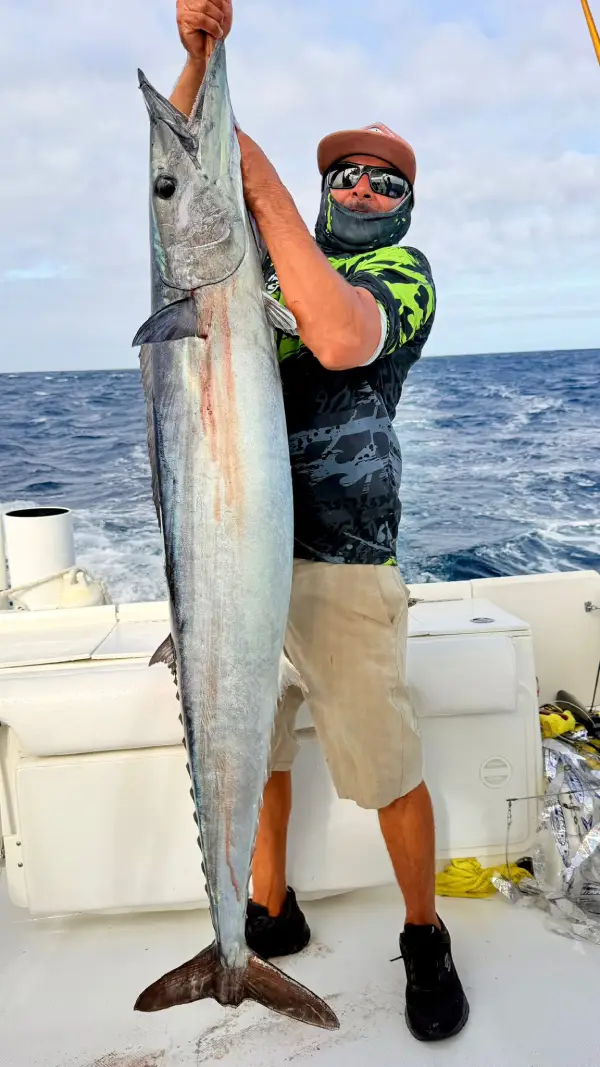
The good news is that the sea has lined up with the fish. Calm water, warming temperatures, and steady bait are all showing up together, and that is exactly the combination that usually gets Cabo’s spring offshore bite moving in a dependable direction. When the water is clean and the bait is there, you are not guessing nearly as much. You are looking for the edge where tuna, marlin, dorado, and wahoo all have a reason to feed.
Where the tuna are stacking
The most useful part of the report is how specific it gets on location. Golden Gate Bank, San Jaime Bank, the 1150 Spot, and the Sea of Cortez side of Cabo are all producing, and that is not trivia. Those names tell you where the current, bait, and temperature changes are giving fish a reason to stop moving and eat.
For tuna, the key pattern is even tighter. Crews are finding yellowfin by working porpoise schools and temperature breaks, which is classic Cabo tuna fishing when it is on. That puts the search on moving signs, not dead water, and it lines up with the long-standing local habit of watching dolphins for yellowfin push.
Why the spring timing matters
Water temperatures in May have been running from 74 to 79 degrees, and that range is doing real work. It is warm enough to pull pelagics offshore and keep the bait active, but still cool enough to support a strong spring bite instead of a sluggish summer drift. That is why the report reads like more than a hot streak.
This is the part anglers care about most: whether it is a flash-in-the-pan or the start of something repeatable. Right now, Cabo looks closer to the second answer. The fish are grouped offshore, the water is stable, and the bait is holding enough structure to let captains run a pattern instead of chasing rumors.
What to troll, and when to change gears
The report gives a practical menu, and that matters more than generic “throw everything” advice. Captains are getting fish on live bait, ballyhoo, cedar plugs, and skirted lures, which means the bite is flexible but not random. If you are running offshore here, you want to be ready to troll a clean spread first and then adjust fast when birds, bait, or dolphin schools tell you the fish have shifted.
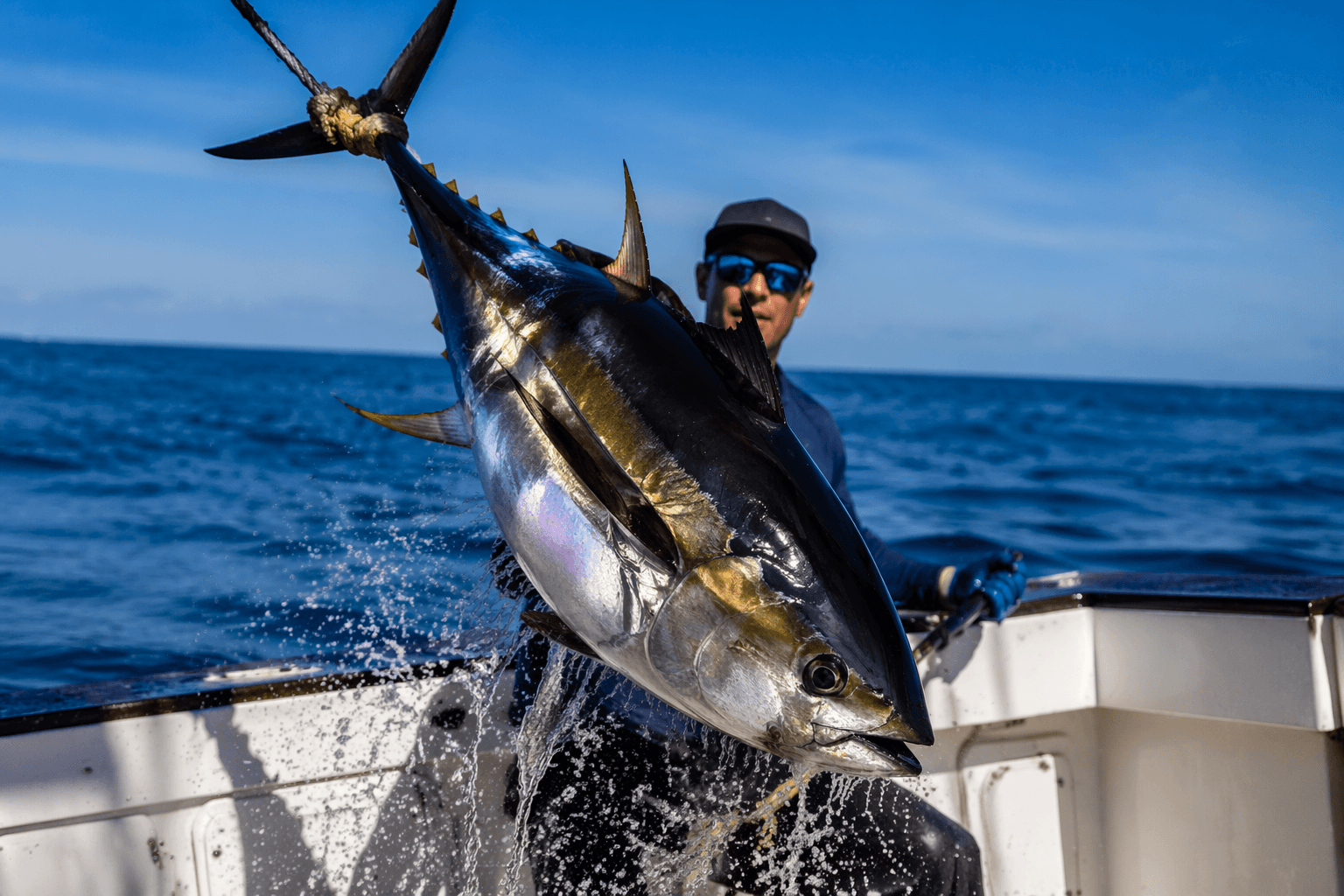
For tuna specifically, the best producers listed were cedar plugs, feathers, and live bait. That is a useful split. Skirted lures and ballyhoo matter across the broader offshore mix, but when the yellowfin are the target, the more compact, flash-and-profile stuff is doing the heavy lifting, especially early in the morning before midday conditions change.
The early bite window
The tuna report points to a simple truth that Cabo anglers already know: the first few hours offshore matter most. Early morning is when the plugs, feathers, and live bait are doing the best work, before the sun, wind, and boat traffic change the surface picture. If you are running 25 or 30 miles out, you cannot afford to waste that window getting organized.
That is also why timing the departure matters as much as the tackle. A long offshore run only pays if you are arriving when the fish are still showing on top, the bait is tight, and the porpoise schools are easy to follow. Once the day gets bumpy or the surface slick disappears, the bite can turn from organized to scattered fast.
What the fish are telling you about size and quality
The yellowfin in this report are mostly in the 10 to 40 pound range, with occasional fish pushing past 60 pounds. That is a healthy spring spread. It gives you volume fish for steady action, but it also leaves room for a bigger class of tuna to show when the bait stacks right and the temp break holds.

That size mix matters because it says the school is not just a handful of stragglers. It is enough fish to support repeat encounters, and that is exactly what anglers want when they are deciding whether to burn fuel on an offshore day. If the average fish were tiny and the big ones were rare, the story would feel thin. This looks stronger than that.
Why Cabo keeps acting like Cabo
There is a reason Cabo keeps producing these mixed offshore stories instead of a neat one-species bite. It sits where the Pacific Ocean and the Sea of Cortez meet, and that convergence helps concentrate pelagic species. When that waterline starts working, you do not just get tuna. You get marlin, dorado, and wahoo in the same general lane, all feeding off the same structure and bait.
That is also why the old stories still feel relevant. Zane Grey’s account of catching nine yellowfin tuna, four of them over 150 pounds, within two miles of shore still hangs over Cabo’s reputation because it captures the same thing anglers see now: a place where tuna can pile up fast when the conditions lock in. The difference today is that the fish are being found farther offshore in this spring cycle, not packed right against the beach.
The mixed-bag day tells the same story
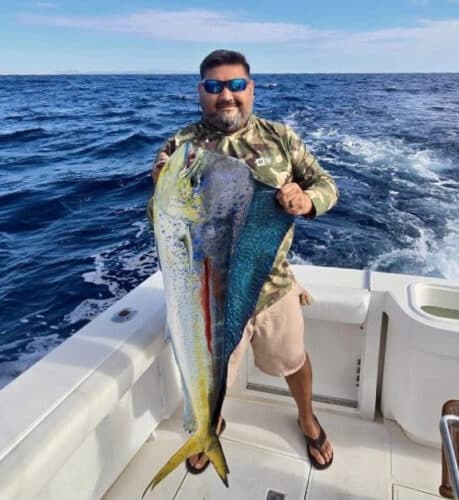
A separate Cabo report from May 20 backed up the same read, with yellowfin tuna among the targeted species and a trip that produced three mahi and one marlin release. That is the kind of result that tells you the offshore zone is alive across species, not just in a single pocket of tuna. When the bite is doing that, the tuna are part of a working food chain, not a bonus event.
That is the real spring signal here. Cabo is not just offering a few scattered yellowfin. It is showing a full offshore setup, with calm seas, warm water, steady bait, and a tuna pattern that is strong enough to plan around. For anglers willing to make the run and fish the right edges early, this is the kind of offshore window that can hold together rather than fade after one good day.
This article was produced by Prism’s automated news system from verified source data, official records, and press releases, then run through automated quality and moderation checks before publishing. The system is built and supervised by the people who set the standards it runs under. Read our full AI policy.
Did this article answer your question?