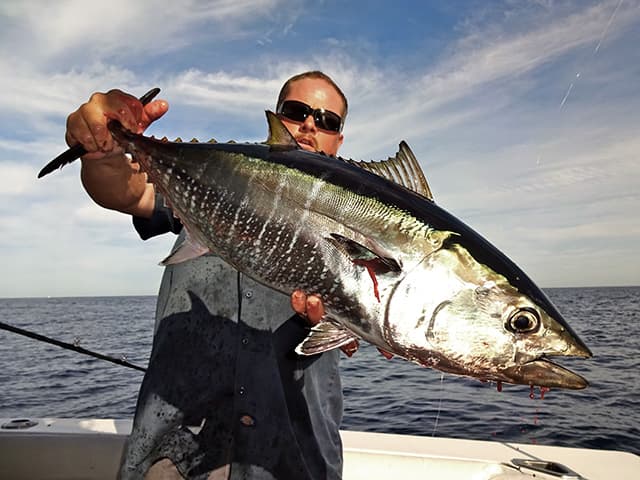
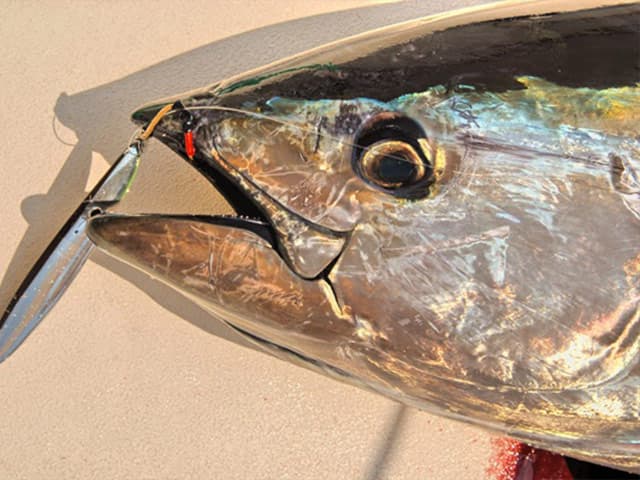
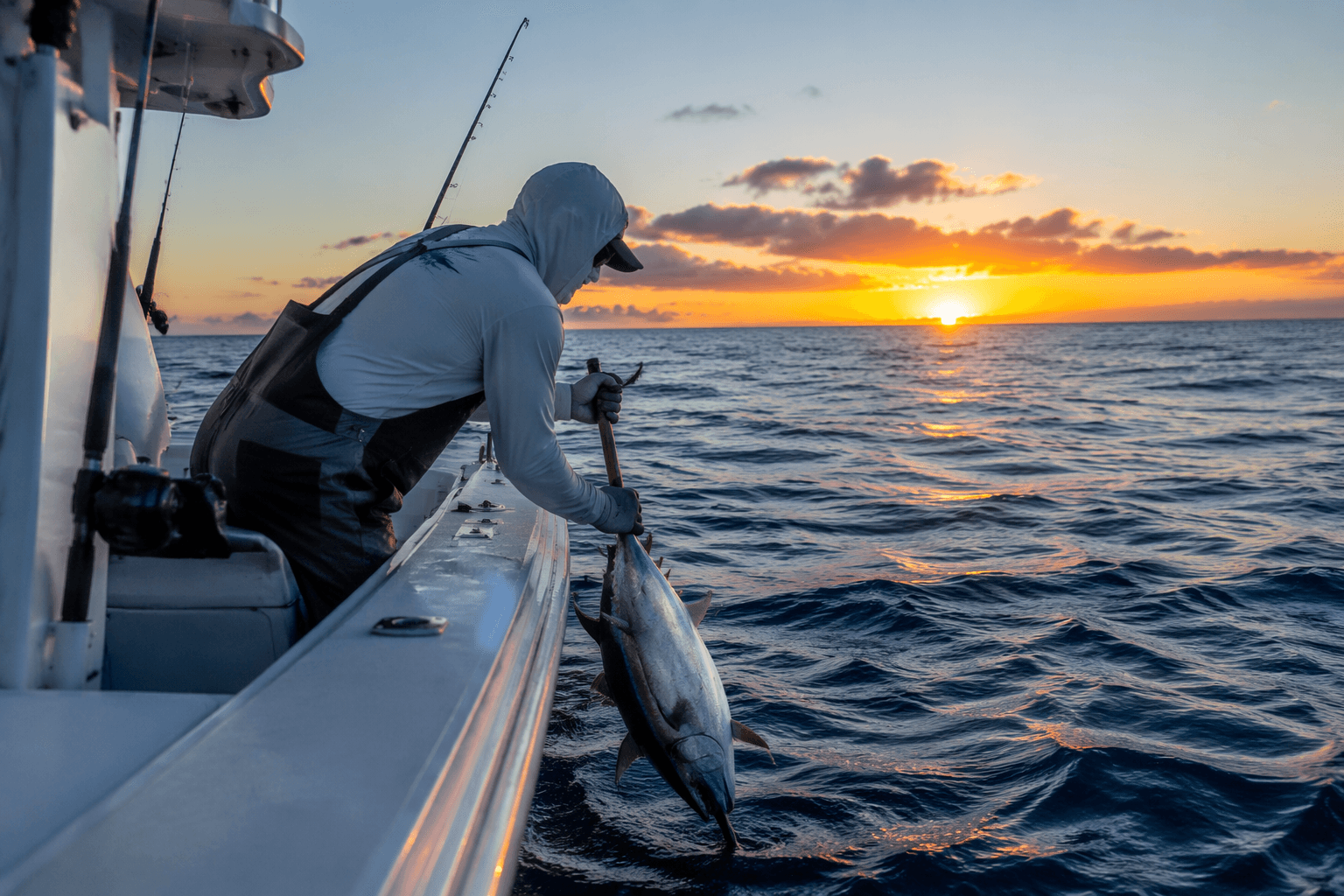
Cape Town yellowfin fishery offers prime offshore tuna action
Cape Town’s yellowfin bite can justify the run: warmer months send boats 10 to 40 nautical miles off Cape Point, with longfin and bigeye in the mix.
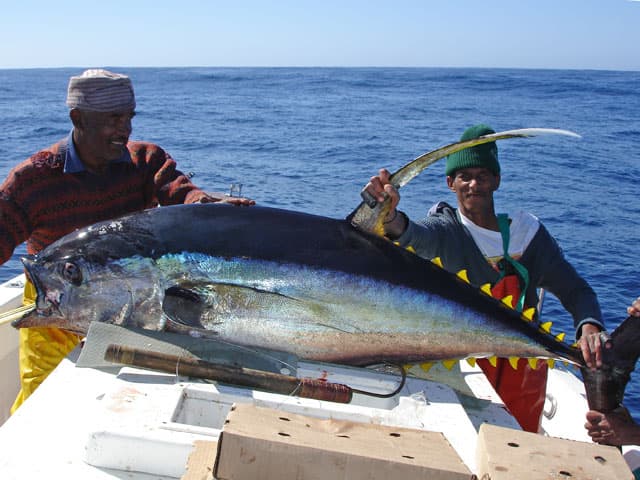
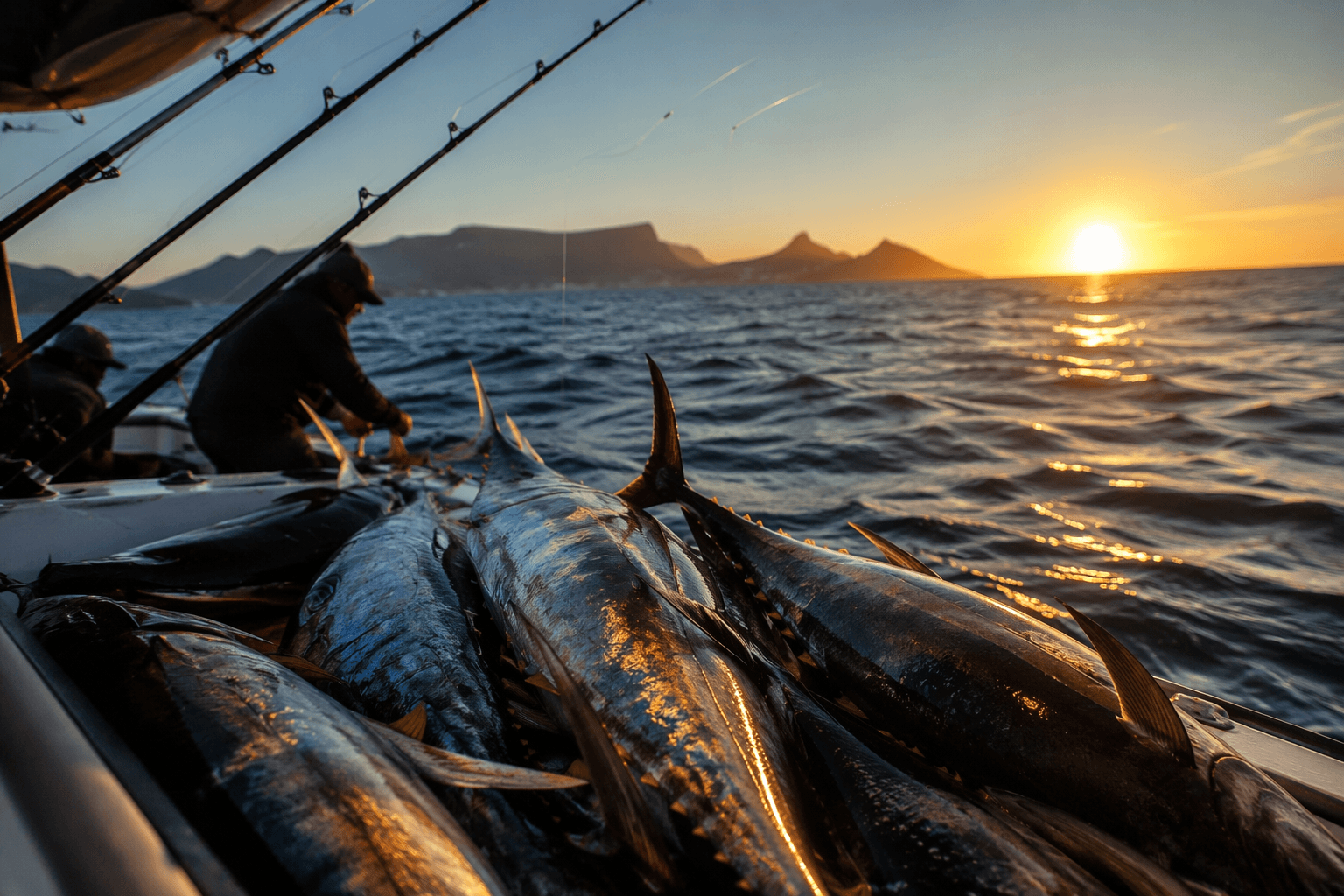
Cape Town is not a place you visit for tuna by accident. If you run a boat there in the warm months, the payoff can be a real offshore yellowfin shot, and the run is short enough to matter: roughly 10 to 40 nautical miles off Cape Point. That is the kind of distance that turns a weather window, a clean bait patch, and the right water color into a trip worth burning fuel for.
Where Cape Town earns its reputation
The draw here is not a postcard fishery. It is a productive meeting point for offshore water movement, and that matters because yellowfin do not show up for scenery. Water temperature, current, and bait are the three variables that keep deciding whether a Cape Town run feels easy or feels wasted.
That is why the fishery gets treated as a serious destination rather than a casual add-on. Cape Town sits in the Western Cape, with Cape Point acting as the practical launch line for many of the tuna runs, and the best opportunities tend to come when conditions line up instead of when the calendar says they should.
Yellowfin is the headline, but the mixed fishery is the real clue
SAAMBR ORI identifies yellowfin tuna as Thunnus albacares, a cosmopolitan species found in tropical and subtropical open waters across the Indian, Atlantic, and Pacific Oceans. That distribution tells you a lot about why Cape Town can hold fish: the area sits close enough to productive offshore water to see yellowfin when the ocean settles into the right pattern.
Cape Town charter pages also describe a mixed tuna fishery. Alongside yellowfin, crews can find longfin tuna, bigeye tuna, dorado, snoek, and yellowtail amberjack. That mix is not trivia. It is the sign of a fishery where you need to read conditions and stay flexible, because the bite can shift between warm-water speed and cooler-water depth in the same broad offshore zone.
Longfin tuna, or Thunnus alalunga, reinforce that point. SAAMBR ORI notes that they have a wide distribution in the Atlantic, Mediterranean, Indian, and Pacific Oceans and prefer cooler, deeper waters. In practical terms, that means a Cape Town crew is not simply chasing one tuna species in one narrow lane; the area can reward the angler who understands when the ocean is setting up for yellowfin and when it is more of a longfin day.
Timing still separates the good trips from the dead runs
The strongest Cape Town seasons have long been tied to windows, not random luck. FishTrack notes pointed to a strong start to the 2014 season, which is a useful reminder that the fishery has recognized seasonal bursts and that early attention to those windows can pay.
The warm months are the key practical marker. One Cape Town charter operation says that during the warmer months, boats head about 10 to 40 nautical miles off Cape Point for yellowfin tuna. That is the run local and visiting crews should care about most: enough offshore travel to reach productive water, but not a blind long-haul into the open ocean.
Barry, a charter and tuna fishing fanatic, put the Cape Town reputation in blunt terms in 2023: “We have the biggest yellowfin tuna in the world!!” Whether you take that as local pride or hard-earned field confidence, the point stands. Cape Town anglers talk about yellowfin here because the fishery has a history of producing fish that make the trip feel justified.
What the broader South African tuna picture adds
Cape Town’s fishery does not exist in a vacuum. South Africa’s tuna-directed fishery, in a 2019 national report to the Commission for the Conservation of Southern Bluefin Tuna, was described as having a bait-boat, or pole-and-line, fleet of 151 vessels with 164 fishing rights. The same report also described a longline fleet with domestic and Japanese-flagged joint venture components.
That matters because it shows tuna in South Africa is not a fringe pursuit. It is part of a structured national fishery with real scale, which helps explain why Cape Town has developed the reputation it has. The local offshore game is backed by a wider tuna culture, and that usually means crews have a sharper sense of when, where, and how to fish the water.
What to plan around if you are making the run
The best Cape Town tuna trips start with a simple decision tree:
- Go in the warmer months, not on a guess.
- Build the run around Cape Point and the 10 to 40 nautical mile offshore zone.
- Be ready for a mixed fishery, not a single-species mission.
- Watch for yellowfin in the warmer open water and longfin where the cooler, deeper water takes over.
That is the practical value of Cape Town. It is not just a famous tuna name on a map. It is a place where the right water can turn a moderate offshore run into a legitimate shot at yellowfin, with longfin and other pelagics in the same system. If the ocean is lined up, Cape Town stops being a destination you admire and becomes one you fish hard.
This article was produced by Prism’s automated news system from verified source data, official records, and press releases, then run through automated quality and moderation checks before publishing. The system is built and supervised by the people who set the standards it runs under. Read our full AI policy.
Did this article answer your question?