China's squid fishing boom deepens pressure on tuna stocks
China’s squid-jigging fleet took a brutal hit in the Southeast Pacific, but the wider squeeze still reaches tuna waters. The stocks anglers care about are already under pressure in the Indian Ocean and Pacific.

China’s squid-jigging fleet hauled 273,900 tons in the Southeast Pacific in 2024, the lowest catch in five years and the second-lowest in a decade, and that matters far beyond the squid market. Blake Herzinger has tied China’s aggressive distant-water fishing to a wider strain on ocean ecosystems, the kind of pressure that eventually shows up in tuna availability, management fights, and the price of fish moving through the supply chain.
The 2025 South Pacific Regional Fisheries Management Organization report said warmer waters linked to El Niño helped drive the squid drop. Even with that weather factor, the bigger picture is hard to ignore: China runs the world’s largest distant-water fishing fleet, and its squid-jigging operations have drawn closer scrutiny over illegal, unreported and unregulated fishing, identity tricks at sea, and human-rights concerns in the distant-water squid sector.
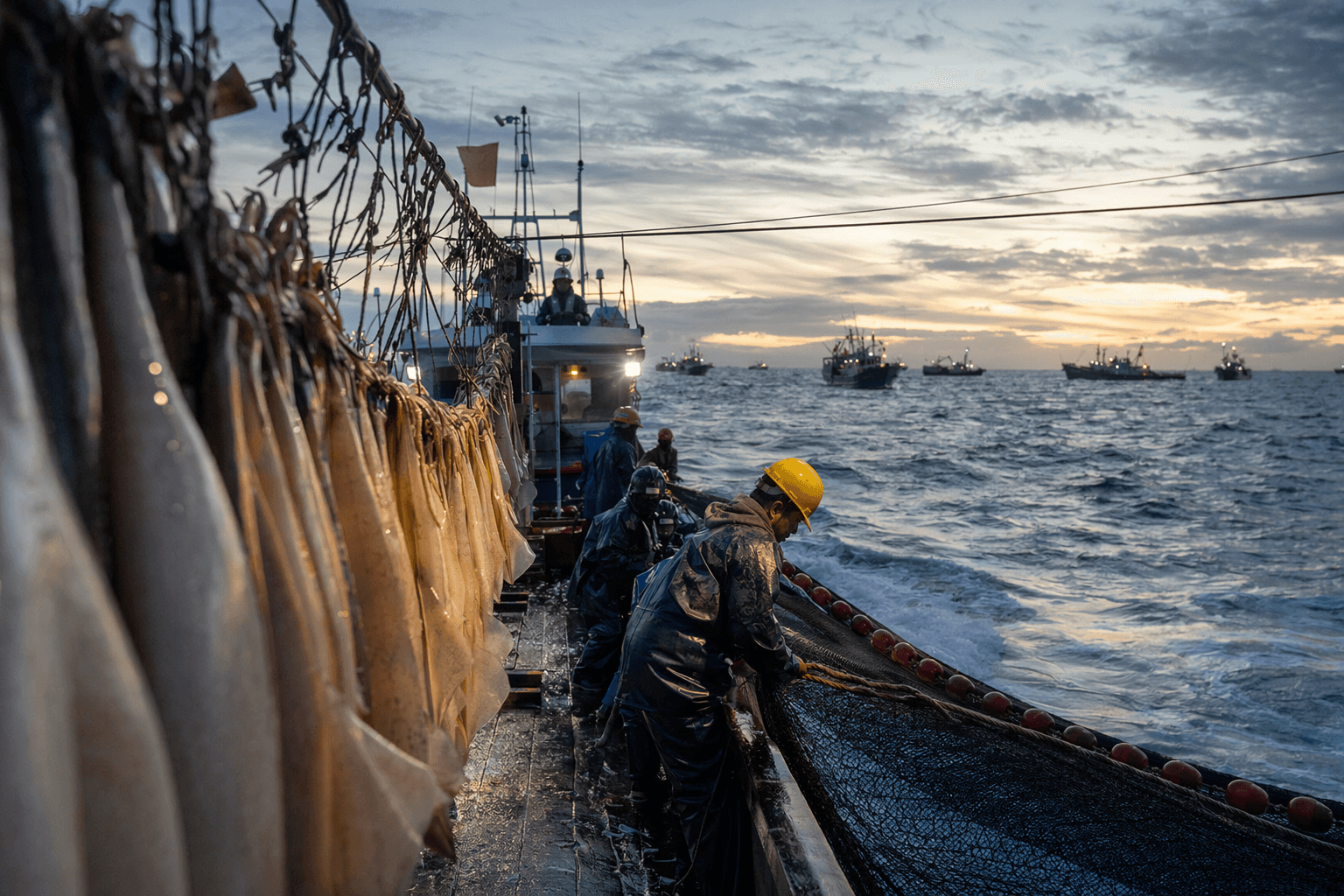
That scrutiny is not just academic. In the waters off Peru and across the Southeast Pacific, monitoring groups and fishermen have accused Chinese squid vessels of entering Peruvian waters illegally, switching off satellite trackers, and using evasive tactics to avoid detection. Peru required foreign squid vessels to carry vessel-monitoring systems in 2020, then tightened enforcement in 2024 against vessels without active tracking or with IUU ties. For operators trying to work the same ocean space as tuna fleets, that kind of enforcement can change where boats move, how long they stay, and how hard they push the resource.
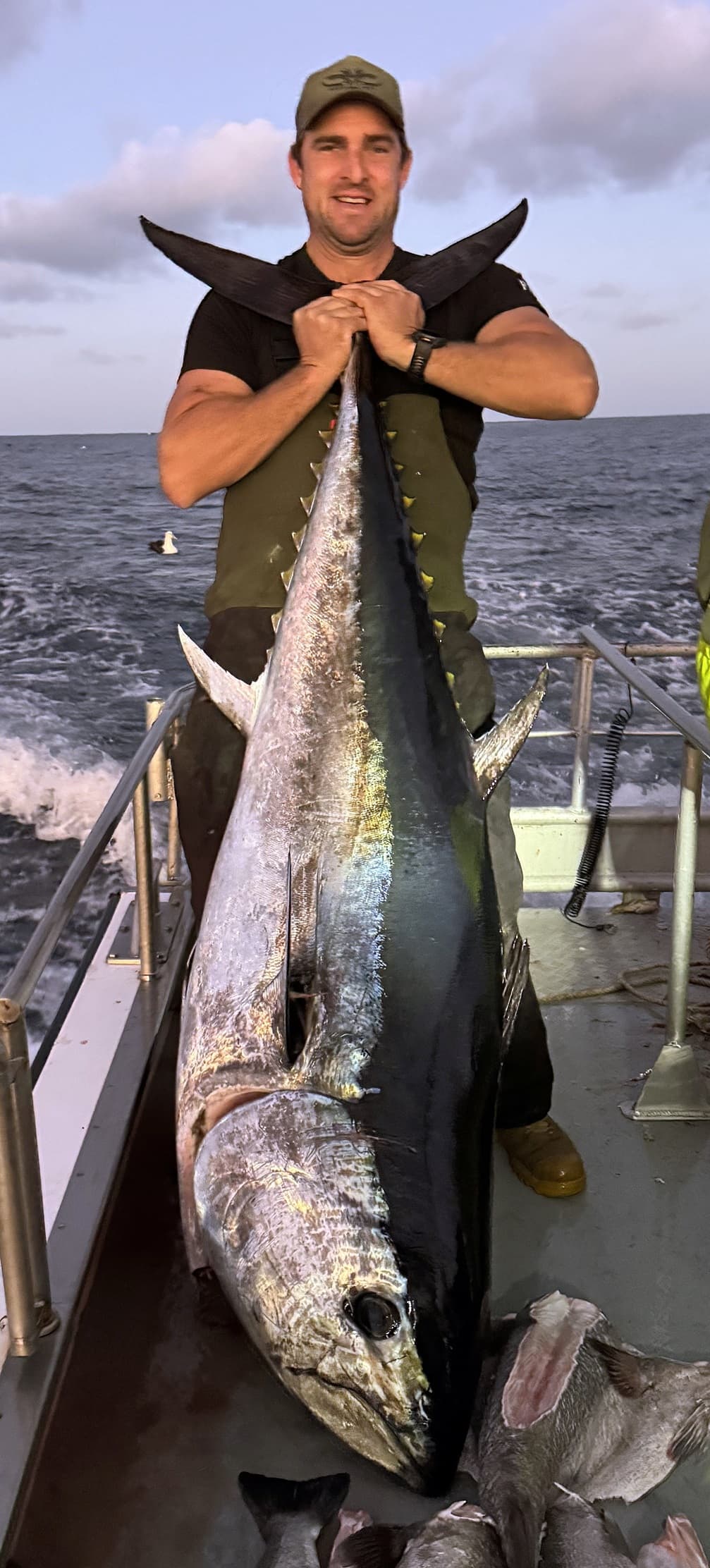
The tuna side of the ledger is no comfort. The International Seafood Sustainability Foundation said 88% of the global tuna catch in its November 2024 stock review came from stocks considered healthy, but it still flagged Indian Ocean bigeye, Indian Ocean yellowfin, and Pacific bluefin as overfished and/or subject to overfishing. That is the part anglers feel first, whether they are watching landings at the dock or trying to understand why some fisheries get tighter while others stay open.
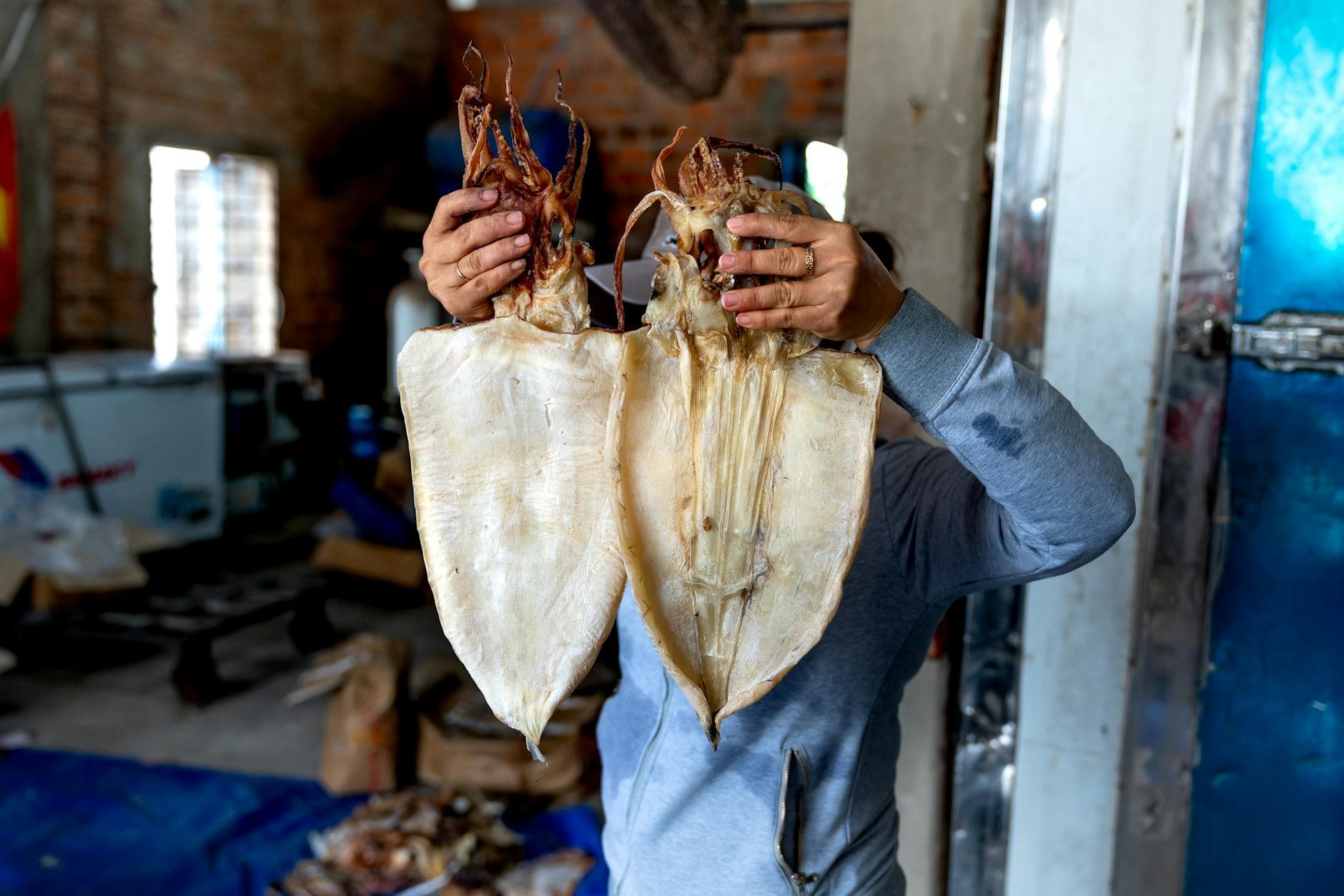
The pressure also runs through trade. China imposed a ban on Japanese seafood after Japan began releasing treated Fukushima wastewater into the Pacific in August 2023, and Japanese exporters spent 2024 hunting for new markets. When one of the region’s biggest seafood buyers turns off the tap, the commercial shock ripples through fleets, processors, and the management pressure surrounding high-value species like tuna.
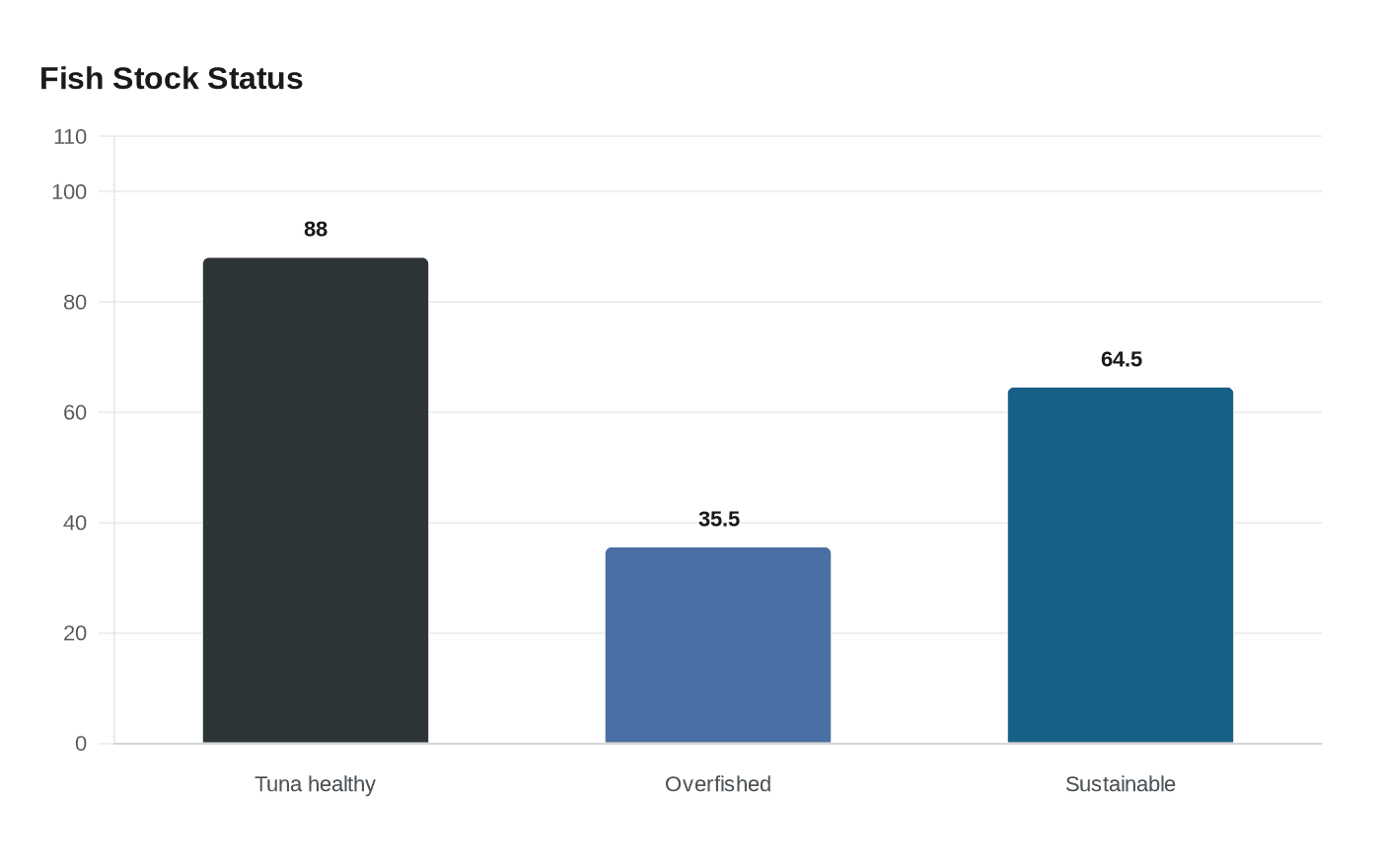
The Food and Agriculture Organization says 35.5% of assessed marine fish stocks are overfished, even as 64.5% remain within biologically sustainable levels. That is the uncomfortable backdrop here: a squid boom, a squid bust, and a distant-water fleet still large enough to keep reshaping the oceans where tuna live.
Know something we missed? Have a correction or additional information?
Submit a Tip