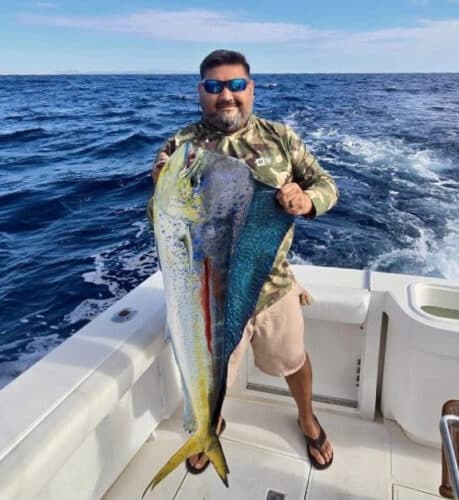
Connecticut tuna bite improves as yellowfin and bluefin mix offshore
Bait and whale activity south of Haab's Ledge are lining up with yellowfin and midshore bluefin, turning the Connecticut coast into a real tuna decision zone.

When the Block Island bass bite stays hot and whales are bubble-feeding 10 to 15 miles south of Haab's Ledge, that is not just a pretty stretch of summer water. It is the kind of bait signal that starts paying off offshore, and the latest Connecticut report from J&B Tackle Co. in Niantic says yellowfin are still the main catch while larger bluefin are mixing in closer to home.
For anglers running out of Connecticut, the takeaway is simple: read the inshore bite first, then use the midshore bait as the bridge to the tuna grounds. That means fishing Block Island tides for bass, staying honest about the fluke bite where the bottom is setting up, and treating the offshore run as a growing opportunity instead of a long shot.
Follow the bait, then follow the fish
Block Island still leads the striped bass bite, fluke action is improving, and black sea bass are just beginning to show. That combination tells you the local water is moving into its summer rhythm, with enough life on the edges to keep the food chain active. The key offshore clue is the bait concentration on the midshore grounds, where whales are actively bubble-feeding south of Haab's Ledge.
That is the kind of detail tuna anglers should care about. Bubble-feeding whales are not a side note, they are a sign that bait is stacked and vulnerable, which is exactly where tuna pressure tends to build. When the report ties that bait to improving inshore and midshore tuna action, it gives you a practical read on where to put the time before you burn fuel on a blind run.
What the tuna mix is telling you
Yellowfin remain the primary catch, but several larger bluefin are mixed in, and that changes how you think about the day. You are not dealing with a one-note yellowfin bite offshore, you are dealing with a mixed pelagic window where the better fish can show up with little warning. J&B Tackle says boats are catching bluefin on knife jigs and topwater poppers, which is the best clue in the whole report: both vertical and surface presentations are working.
That matters because it tells you the fish are not locked into one layer of the water column. If they are willing to eat a knife jig deep and a popper on top, you need to have both styles ready and be willing to switch fast. In practical terms, that means rigging for marks under the boat as well as busting fish on the surface, not choosing one style and hoping the tuna cooperate.
Where the run starts to make sense
The coastal geography here is doing a lot of the work. For Connecticut anglers and anyone staging through Block Island, the midshore grounds are now looking like the first real tuna checkpoint, with West Atlantis also in the conversation for more committed offshore runs. A regional offshore report from The Fisherman says West Atlantis and canyon waters are producing yellowfin to 90 pounds, bluefin, bigeyes, and a few swordfish, which lines up with the idea that this part of New England is sliding into a serious pelagic window.
That does not mean every trip should become a canyon mission. It means the decision tree has changed. If the bait is building south of Haab's Ledge and the surface bite is showing bluefin on poppers, you have enough reason to make the midshore run before you start stretching all the way into the deeper water.
The tackle menu in the same Connecticut report backs up that layered approach. Live eels, GT eels, Mag Pencils, FishLab swimbaits, three-way bucktail rigs, flutter spoons, diamond jigs, and trolling umbrella rigs all make an appearance. That spread tells you the coast is asking for different tools depending on whether you are working the rocks, the reef, or the edge, and the same logic applies once you leave for tuna.
Know the rules before you chase the bite
The regulatory side is moving too, and it is not something to shrug off because fish are showing up closer to home. NOAA Fisheries says the Southern New England bluefin trophy area is open, with 1.4 metric tons landed to date against a 2.3 metric ton base quota. NOAA also says recreational bluefin retention limits vary by permit, vessel type, fish size, and region, so the same fish can mean different outcomes depending on how you are fishing it.
NOAA also announced an adjustment to Atlantic bluefin tuna recreational retention limits effective June 1, which means the current framework is not just open or closed, it is tuned to category and size. The Gulf of Maine trophy area is open as well, but the practical point for Connecticut boats is the same: a better bite does not erase the need to know exactly what can be kept under your permit and region.
Why the bass side still matters
The tuna story here starts with inshore structure, and that is why the striped bass side of the report still matters. Connecticut's 2026 striped bass legislation includes a catch-and-release-only period from December 1 through March 31 each year, effective October 1, 2026, and the Atlantic States Marine Fisheries Commission says striped bass was declared overfished in 2019 and is under a rebuilding plan aimed at 2029.
That backdrop puts the Block Island bite in sharper focus. The local bass and fluke action is not separate from the tuna window, it is the first read on how healthy and active the coast is before you commit to the offshore run. When the bait is stacking, the bass are feeding, and the midshore grounds are holding whales, the tuna trip stops looking speculative and starts looking like the next logical move.
The useful part of this Connecticut report is that it does not oversell the offshore scene. It shows the chain clearly: bass on the islands, bait on the midshore grounds, yellowfin offshore, and bluefin sliding into the mix. Once those pieces line up, the decision is no longer whether to go tuna fishing, but which water you want to bet on first.
This article was produced by Prism’s automated news system from verified source data, official records, and press releases, then run through automated quality and moderation checks before publishing. The system is built and supervised by the people who set the standards it runs under. Read our full AI policy.
Did this article answer your question?