EU faces tuna welfare backlash as bluefin farming critics warn of risks
Bluefin is back in the spotlight: the UN says 99% of commercial tuna catches are sustainable, but EU farming critics warn welfare backlash could reshape the fishery.
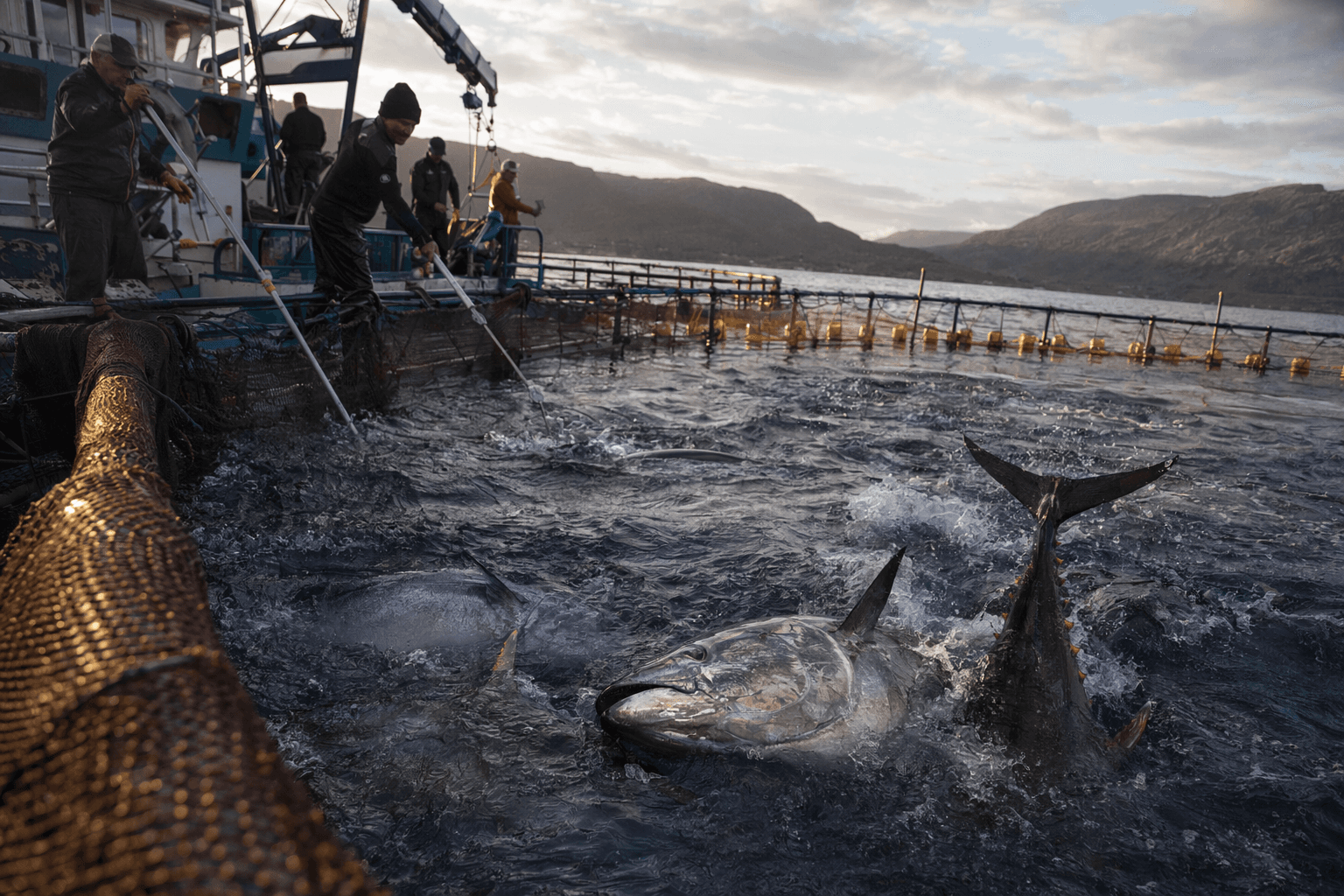
Bluefin is recovering, but the next fight is over how it is raised and watched. On World Tuna Day, the UN pointed to a big shift in the fishery, saying about 99% of commercial tuna catches in 2024 came from stocks assessed as biologically sustainable, up from 75% in 2017. That progress matters because Atlantic bluefin, once absent from parts of its range, are now common again in southern England and Ireland, and any backlash around farming could spill into how the stock is managed and how the public views tuna fishing.
The EU’s bluefin rules already sit inside Regulation (EU) 2023/2053, the multiannual plan running from 2023 to 2027 for eastern Atlantic and Mediterranean bluefin. The European Parliament approved updated management rules in September 2023, raising purse-seiner capacity by up to 20% over 2018 limits and setting a by-catch ceiling of 20% of total catches on board at the end of a trip. The European Commission followed with Commission Delegated Regulation (EU) 2024/2925 in June 2024 to reflect ICCAT changes, including revisions to farming-capacity limits, release protocols and reporting requirements. A further amendment, Commission Delegated Regulation (EU) 2025/837, was adopted on 7 February 2025.
That is where the backlash is building. The Commission has acknowledged that fish welfare in the EU remains uneven and less developed than for other farmed animals, while critics say bluefin farming still carries transparency, environmental and animal-welfare concerns. A 2024 survey by Compassion in World Farming and Eurogroup for Animals found 91% support across nine EU countries for protecting farmed fish to the same extent as, or more than, other farmed animals. WWF Mediterranean has also warned that EU backing for tuna-farming expansion could help drive bluefin toward commercial extinction, and Greenpeace-linked reporting in 2025 raised fresh concerns about incomplete or unclear farm records in Italy.
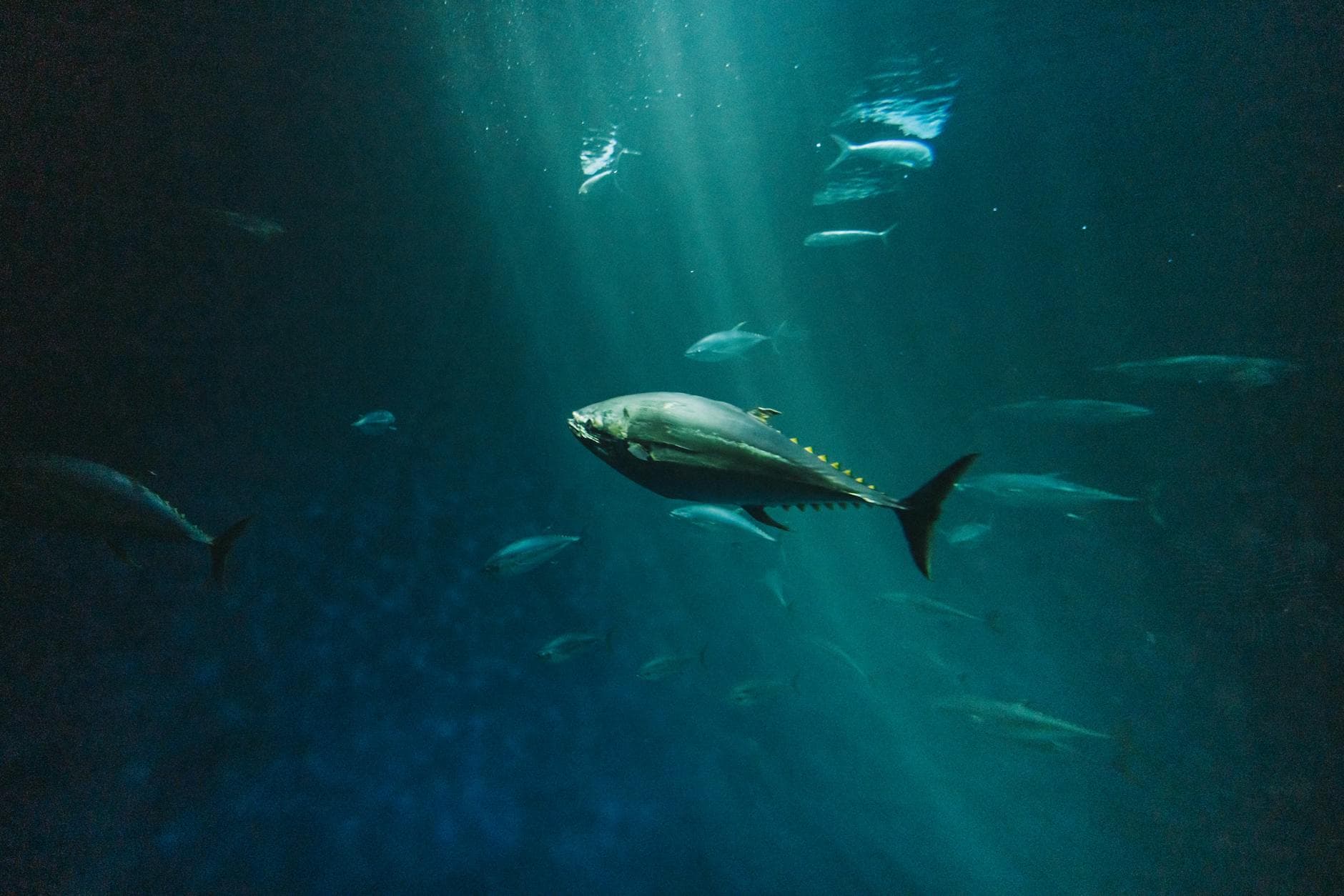
For anglers, the key point is not Brussels jargon. It is that bluefin remains valuable, visible and politically sensitive. ICCAT’s 2025 annual meeting set the eastern Atlantic bluefin TAC at 48,403 tonnes a year for 2026-2028, up 19.3%, while the western Atlantic TAC rose to 3,081.6 tonnes, up 13%. When a stock this valuable is under welfare scrutiny and market pressure at the same time, the fight over bluefin can quickly shape future access, public sentiment and the next round of management decisions.
This article was produced by Prism’s automated news system from verified source data, official records, and press releases, then run through automated quality and moderation checks before publishing. The system is built and supervised by the people who set the standards it runs under. Read our full AI policy.
Did this article answer your question?