Fishing groups fund Stanford study on Pacific bluefin tuna migration
Five fishing groups are bankrolling Stanford work on 450 tagged Pacific bluefin, aiming to sharpen when California anglers should expect the fish.
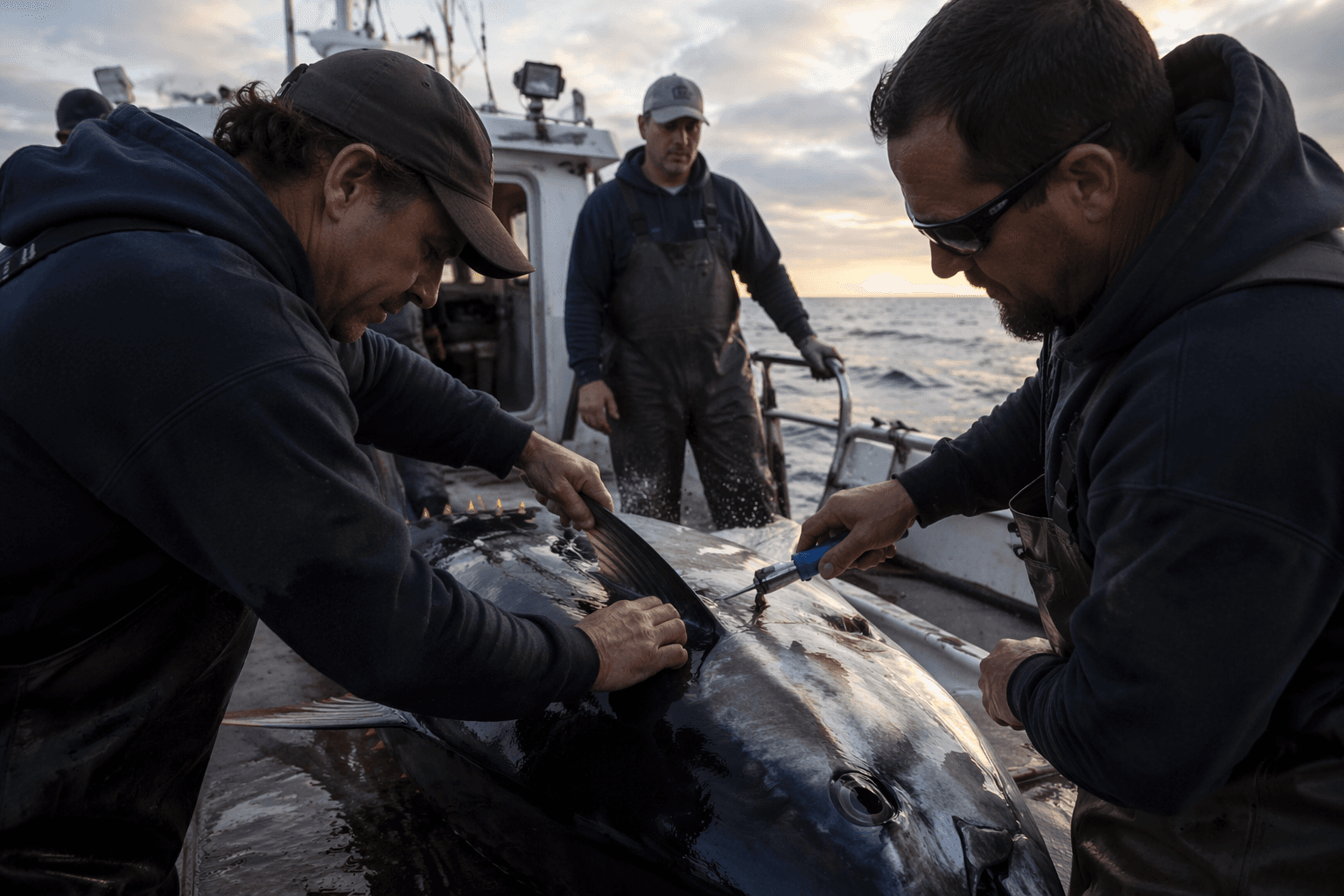
Better Pacific bluefin migration data could pay off where tuna anglers feel it most: tighter reads on seasonal movement, better ideas about when fish are likely to show, and stronger arguments in future access fights. That was the pitch as five recreational fishing organizations backed a Stanford study built to turn decades of tag data into a more useful picture of how these fish move, survive and rebuild.
The coalition includes the American Sportfishing Association, Coastal Conservation Association National, Coastal Conservation Association California, the International Game Fish Association and Wild Oceans. The research is being led by Barbara Block and Emilius Aalto at Stanford’s Hopkins Marine Station, with work centered around the Tuna Research and Conservation Center in Pacific Grove, the Stanford and Monterey Bay Aquarium facility that has long been a hub for tuna physiology, ecology and tagging research.
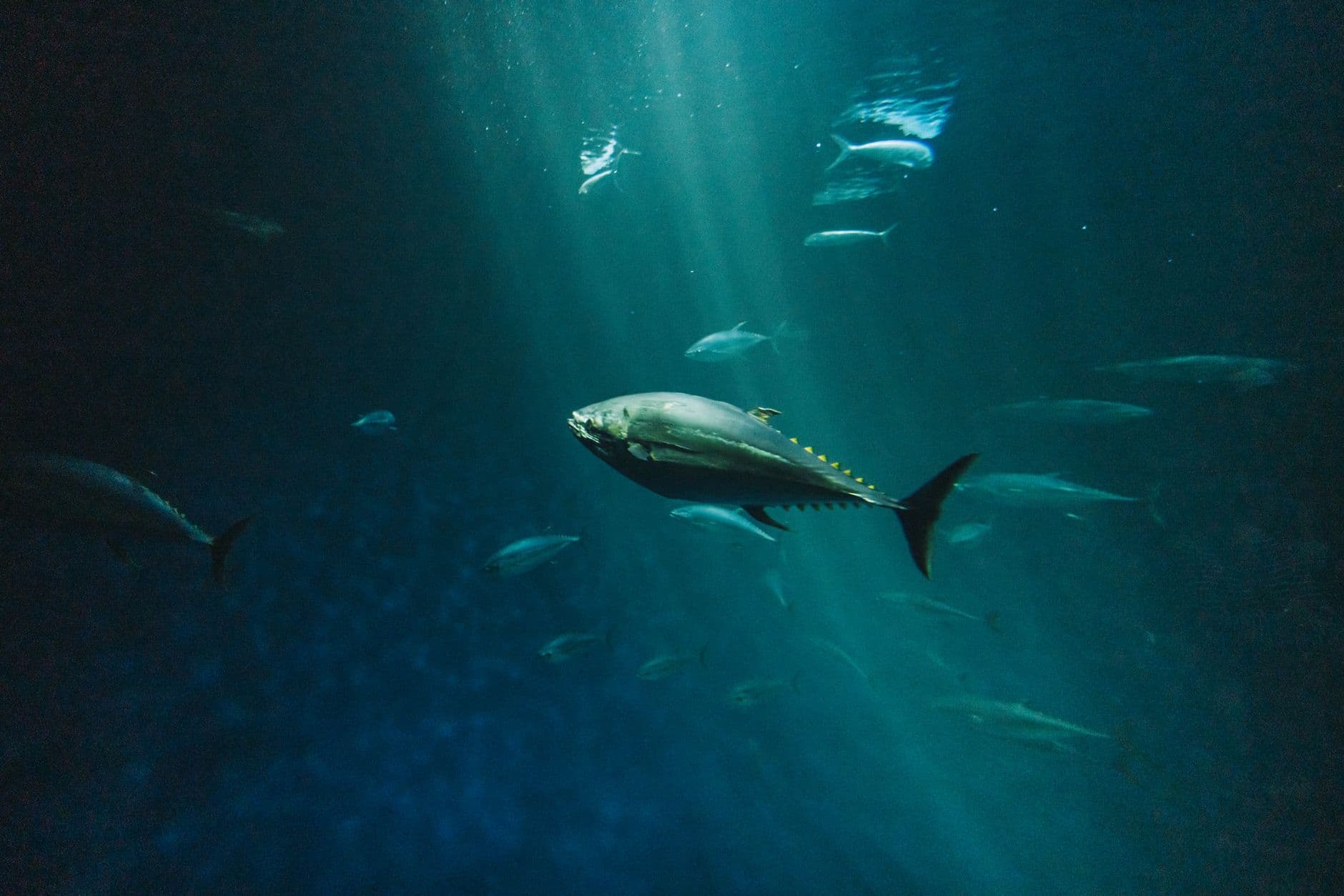
The project leans on more than two decades of electronic-tagging work, including more than 100,000 days of tracking data from 450 Pacific bluefin tuna. Where available, the scientists will also fold in otolith and microchemistry data, which can help pin down where fish spent different parts of their lives. For anglers, that matters because Pacific bluefin is not a local, single-season story. It is a Pacific-wide stock, with juveniles feeding in the eastern Pacific and most adults eventually moving back west to spawn.
That migration pattern is exactly why the fishery has always been so hard to forecast. Managers and scientists are trying to understand how fish move between the western and eastern Pacific, how mortality and recruitment change across life stages, and how fishing pressure in one region can affect availability somewhere else. The coalition says a better model could improve forecasts of future population status and support a more realistic harvest strategy, which is the kind of science that eventually shapes both catch limits and the size of the opportunity on the water.
The timing is important because Pacific bluefin has already rebounded enough to change the conversation. NOAA said the stock reached 23.2 percent of the potential unfished spawning stock in 2022, while the Western and Central Pacific Fisheries Commission said the species hit its second rebuilding target, 20 percent of unfished spawning biomass, in 2021. NOAA also reported that U.S. commercial fishers landed 368 metric tons in 2022, grossing more than $2.2 million, and that U.S. recreational and commercial effort combined accounted for about 10 percent of total Pacific bluefin landings that year, with Japan and Mexico taking most of the catch.
That is why the money from fishing groups matters. Pacific bluefin’s return has already revived sport fishing along the California coast, with spillover interest in Oregon and Washington, but the next round of access debates will depend on cleaner biology, not wishful thinking. If Stanford’s model makes the migration picture sharper, anglers will not just know more about where the fish are going. They will know better when to chase them.
This article was produced by Prism’s automated news system from verified source data, official records, and press releases, then run through automated quality and moderation checks before publishing. The system is built and supervised by the people who set the standards it runs under. Read our full AI policy.
Did this article answer your question?