Fuel Price Surge Threatens Tuna Fleet Operations Across Indian Ocean, Pacific
Singapore marine fuel more than doubled in weeks, from $700 to $1,784 per ton, with ripple effects already hitting charter rates and bait prices at the marina.
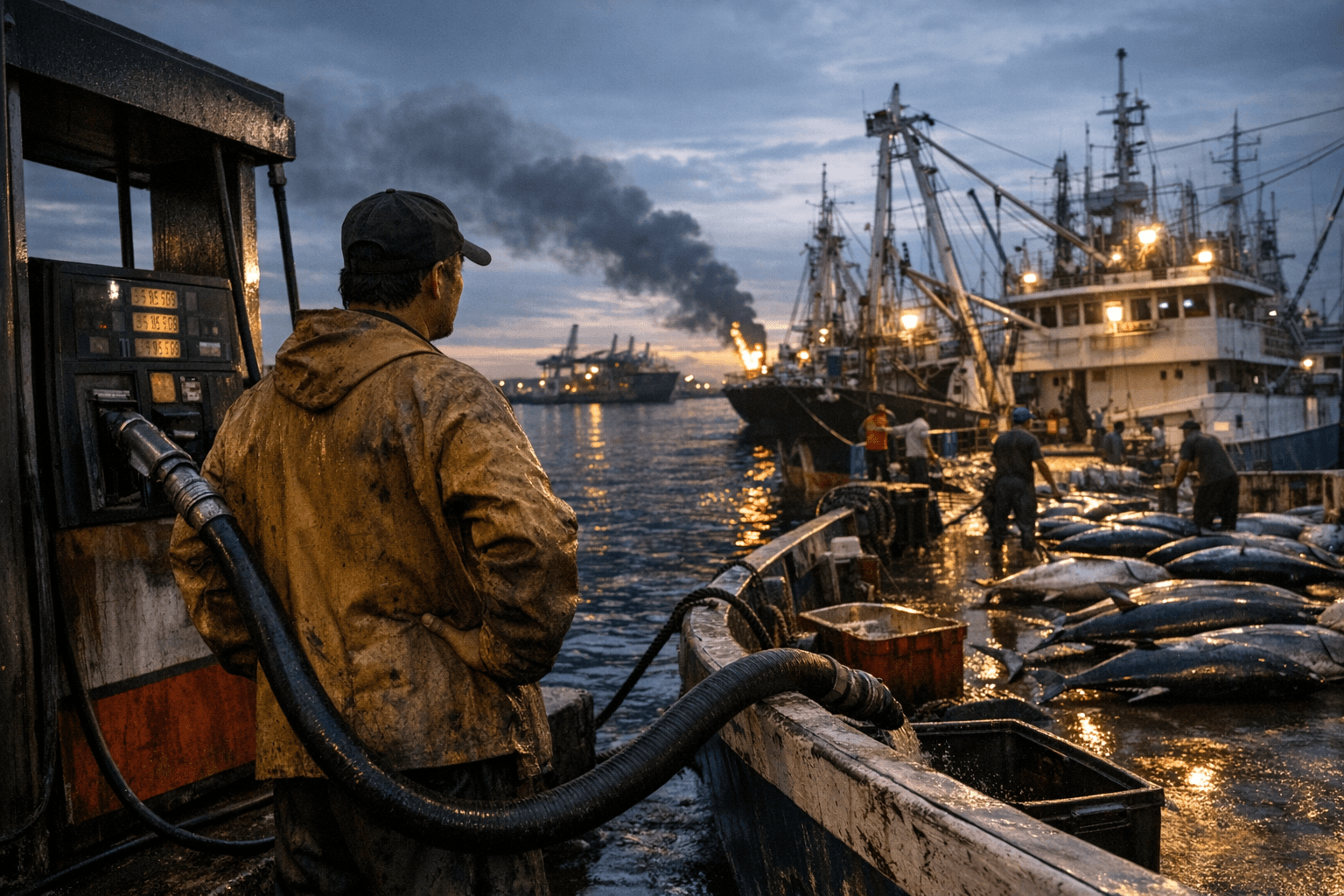
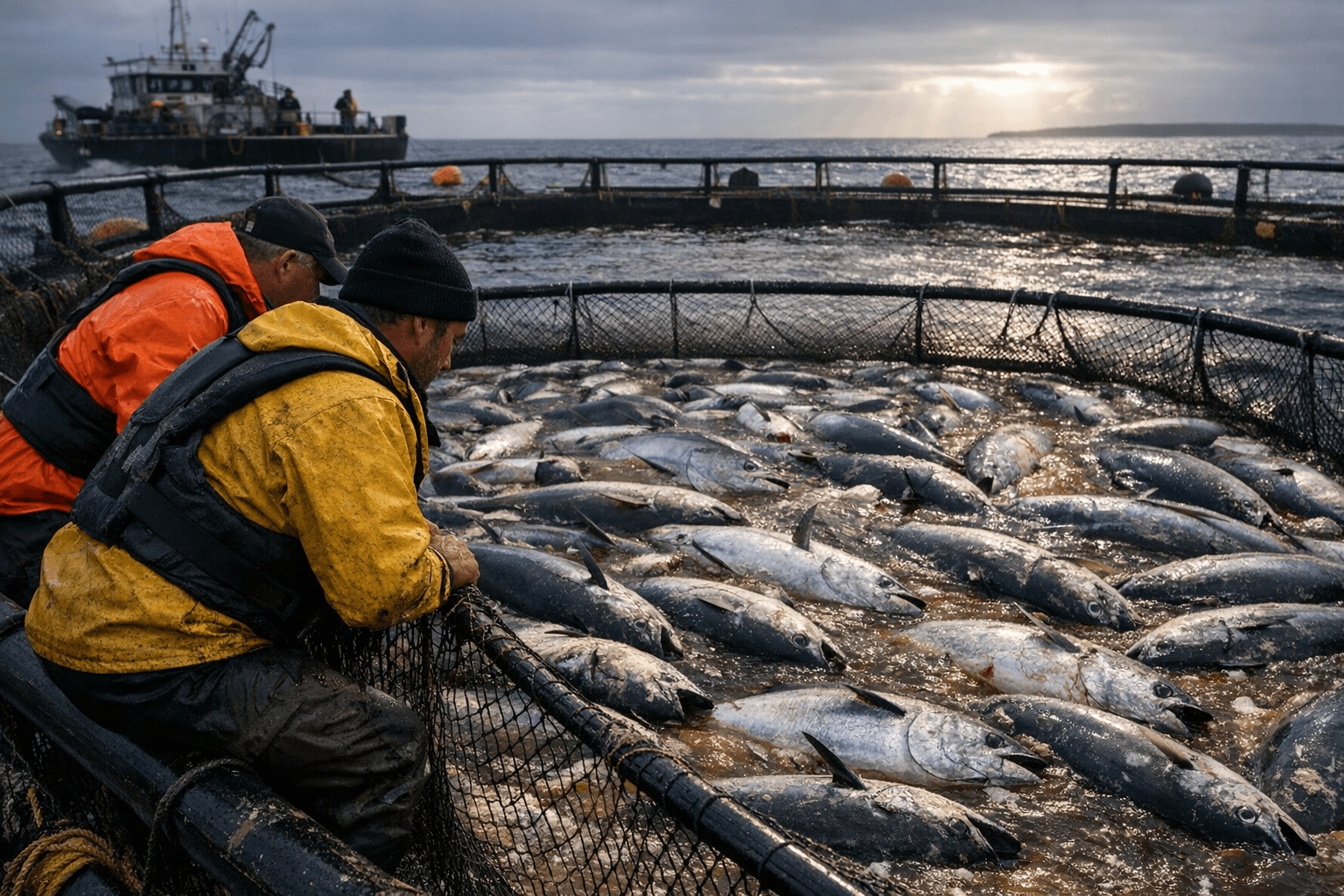
Singapore Marine Gas Oil hit roughly $1,784 per ton in mid-March, up from about $700 per ton at the end of February. That 155 percent spike in less than three weeks is now forcing purse-seiner and longline fleet operators across the Indian Ocean and Western and Central Pacific to ask a question that has no comfortable answer: is this trip still worth running?
ATUNA's analysis, published March 25, quantified exactly how quickly that math breaks down. When fuel costs more than double in a matter of weeks, the revenue from a tuna trip must rise in lockstep or the voyage bleeds money from the moment the vessel leaves the dock. In practice, fish prices do not move that fast. The lag between rising operating costs and market-level tuna prices creates a squeeze that hits smaller cooperatives and independent vessel owners hardest, because they carry the least hedging capacity and the thinnest margins to begin with.
The market signals are already visible on vessel-tracking platforms. More boats are logging time near their home ports rather than steaming to offshore grounds, and several basins are showing displaced vessel patterns and port congestion consistent with skippers and owners pausing to run the numbers. Geopolitical disruption to crude supply lines is driving the underlying oil price pressure, meaning the cost environment is not obviously self-correcting in the short term.
For charter captains and weekend anglers, the commercial fleet's calculus feeds directly into your own trip budget. Fewer purse-seiners steaming to distant-water grounds tightens the supply of fresh and frozen tuna moving into coastal processing plants, which typically pushes retail and dockside prices higher. Bait supply is part of the same chain: processing plants that slow throughput order less bait from local suppliers, and marina bait shops feel that pressure before most anglers notice.
The angler playbook right now is about running smarter rather than running less. On fuel-burn budgeting, the same math hitting commercial operators applies to your sportfisher: calculate your round-trip burn at planned RPM before you book a slot, and price the trip at current diesel, not last season's average. On run planning, shaving miles matters more than it did when fuel was cheap. Study recent SST charts and current edges to put your starting point as close as possible to where fish are holding, rather than committing to a long run on a hunch. Slower trolling speeds and drift strategies on known structure have always been productive for yellowfin and bigeye; right now they also cut your fuel bill meaningfully compared to high-speed trolling patterns.
The bigger opportunity is in reading the commercial signal. ATUNA suggested three responses that could reduce the risk of full fleet pauses: temporary fuel subsidies or price hedging by industry groups, faster pass-through of higher tuna prices to vessel owners, and short-term operational adjustments like reduced steaming and altered gear choices. If none of those mechanisms kick in quickly and commercial effort does drop in a given basin, reduced offshore pressure can shift local fish distribution in ways that briefly benefit inshore and nearshore sportfishing. Vessel-tracking dashboards, conversations with local processors, and dockside reports from charter captains who run regular trips are the earliest indicators of whether that shift is happening in your home waters. Watching those channels now puts you ahead of the adjustment, not behind it.
Know something we missed? Have a correction or additional information?
Submit a Tip