Los Cabos Sashimi Fest Breaks Guinness Record With 1,200-Meter Tuna Display
Sashimi Fest 2026 laid out 28,000 tuna slices across 1,200 meters in San José del Cabo, breaking the Guinness record and signaling real demand pressure anglers should plan around.
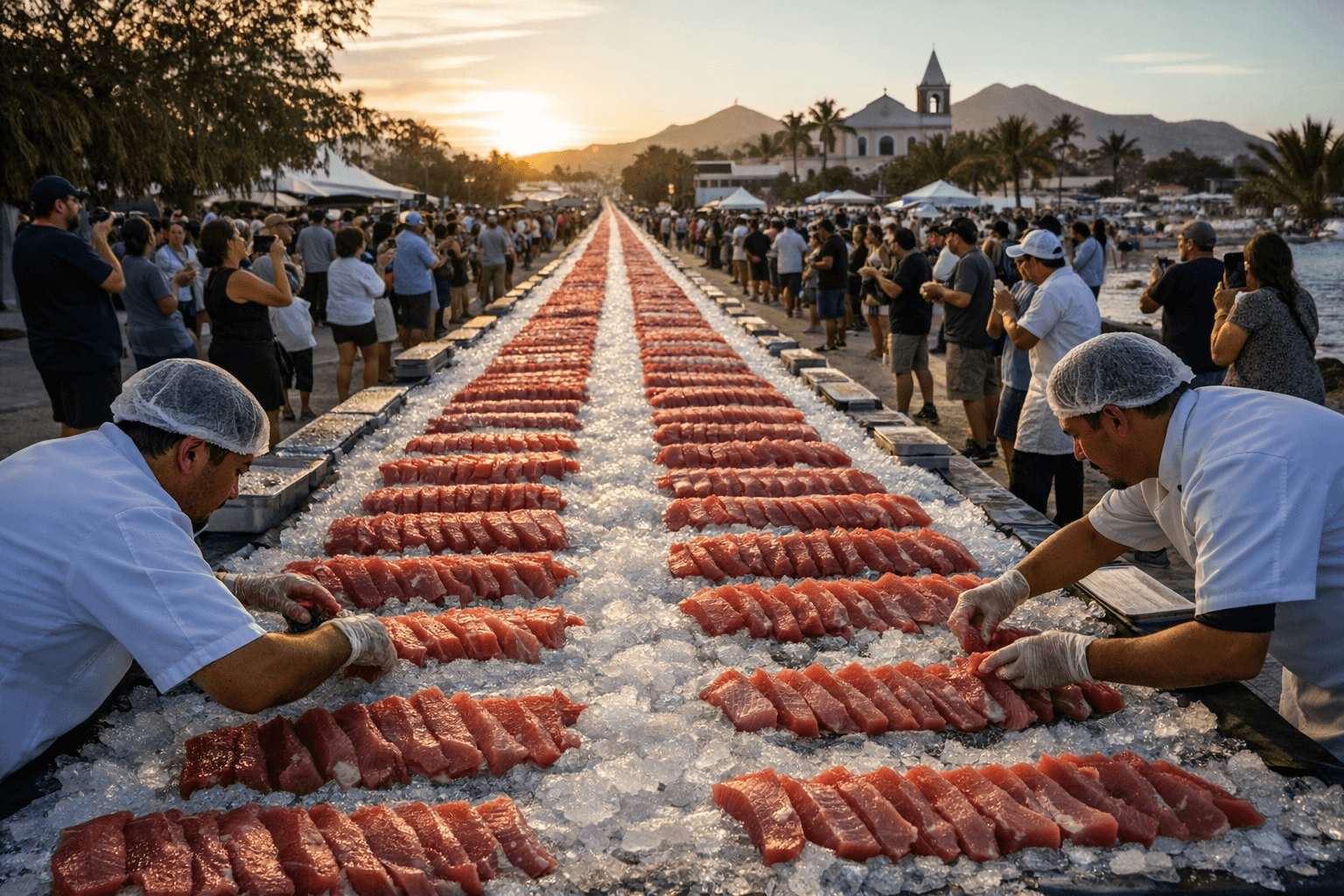
Twenty-eight thousand slices of fresh tuna, laid across 1,200 continuous meters, broke the Guinness World Record for the longest tuna sashimi in San José del Cabo on March 23. The Sashimi Fest 2026, staged as part of the Fiestas Tradicionales San José del Cabo patron saint celebrations, drew roughly 500 participants including locally- and internationally-recognized chefs and culinary students, all working against the clock to keep fresh fish properly handled at scale. Guinness World Records representatives certified the result on-site after measurement and documentation standards were met.
The record obliterates the previous mark. Mazatlán had held the title at 1,000 meters, assembled from more than 19,000 slices. Los Cabos added 200 meters and nearly 9,000 additional slices, a logistical leap that required serious cold-chain coordination in the Baja California Sur heat.
For tuna anglers planning or pricing a Los Cabos trip, that kind of volume matters beyond the spectacle. Events like Sashimi Fest create concentrated, short-term demand spikes for sashimi-grade tuna, which tighten local supply, move prices upward, and generate booking buzz that pulls additional charters and visitors into the region well after the festival wraps. Local processors who supply fresh fish to restaurants and community events operate on thin margins and narrow holding windows; when demand spikes sharply, they pull from whatever source clears quality and traceability thresholds fastest. That pressure filters directly to small-scale commercial fishermen working the Sea of Cortez and Pacific side simultaneously.
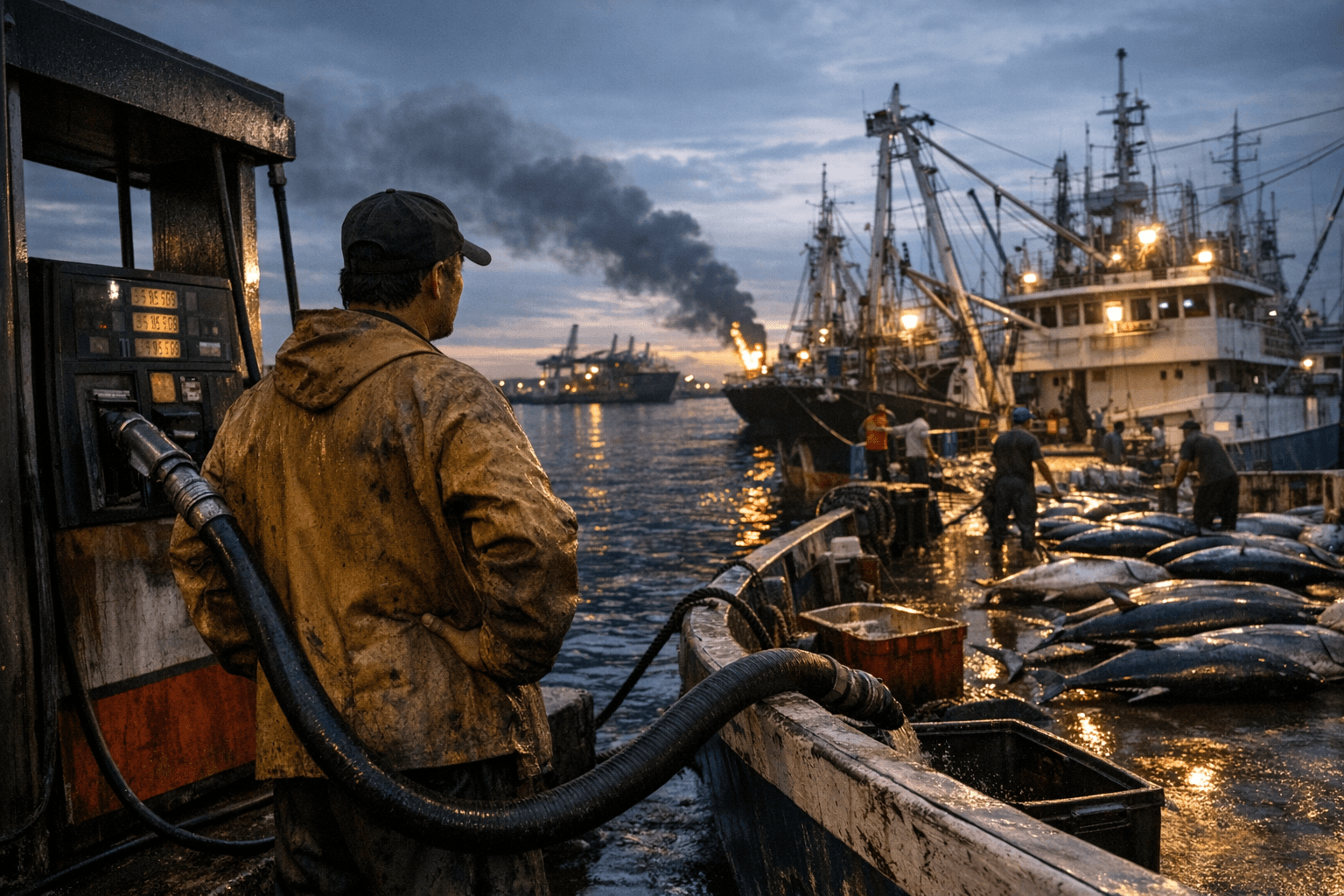
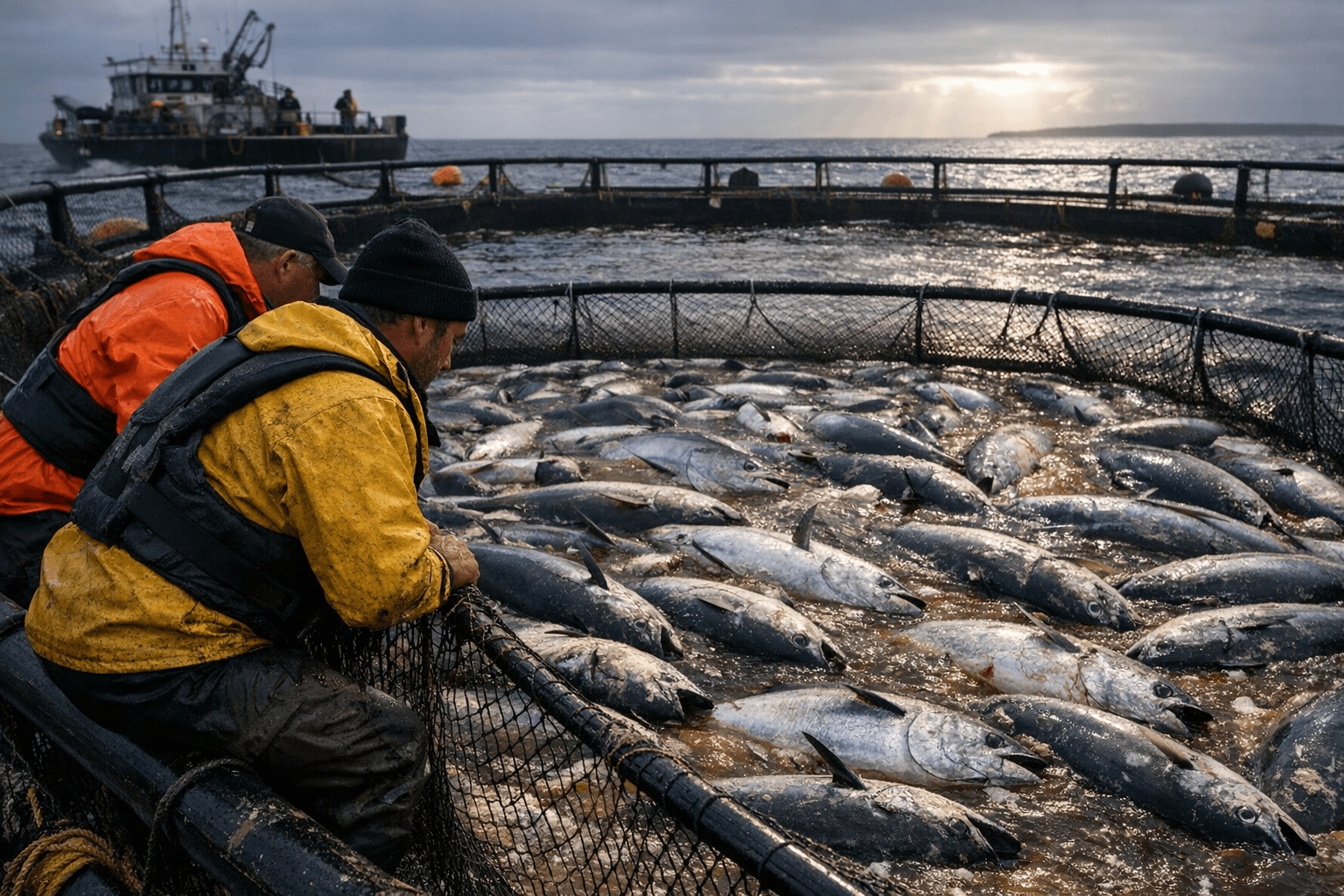
The Sashimi Fest lands in late March, which sits outside the prime yellowfin window. Yellowfin tuna run strongest from July through December in these waters, with August through November widely considered the most consistent window for combining tuna, dorado, and marlin in a single trip. Early spring sees some yellowfin activity that typically drops off toward mid-March, meaning the fish used for the record almost certainly moved through regional distribution networks rather than same-day local catch. When a high-profile event demands sashimi-grade product out of season, the supply chain stretches toward imported or farmed sources, and a "fresh local tuna" presentation can obscure where the fish actually came from.
If the festival's profile converts into charter demand through summer and fall, that is a genuinely good result for operators and visiting anglers alike. July onward is when you want to be offshore here, with yellowfin stacking up as warmer currents push bait schools toward the deep water south and east of Cabo San Lucas.
On the permits side, a sport fishing license is required for all anglers in Mexican waters, enforced by CONAPESCA; the rule applies to anyone over 13. Most established charter operators in Los Cabos arrange licensing in advance as part of the booking process, so confirm that before you pay a deposit. If you plan to keep tuna for personal consumption or donate catch to local events, verify current CONAPESCA daily bag limits with your captain before leaving the dock, as retention rules are species-specific and subject to seasonal adjustment.
The record is a legitimate achievement and a sign that Los Cabos is investing in its culinary identity. The most sustainable version of that identity runs on fish harvested in season by local operators working within regulated limits. Book for August or later, confirm licensing is handled, and ask your captain who is sourcing fresh tuna in the area. The answers will tell you more about the health of this fishery than any Guinness plaque will.
Know something we missed? Have a correction or additional information?
Submit a Tip