U.S. Senate Passes FISH Act to Fight Illegal Seafood Imports
The Senate's FISH Act targets more than $2 billion in IUU seafood flooding U.S. markets each year, aiming to level the playing field for legal catch.
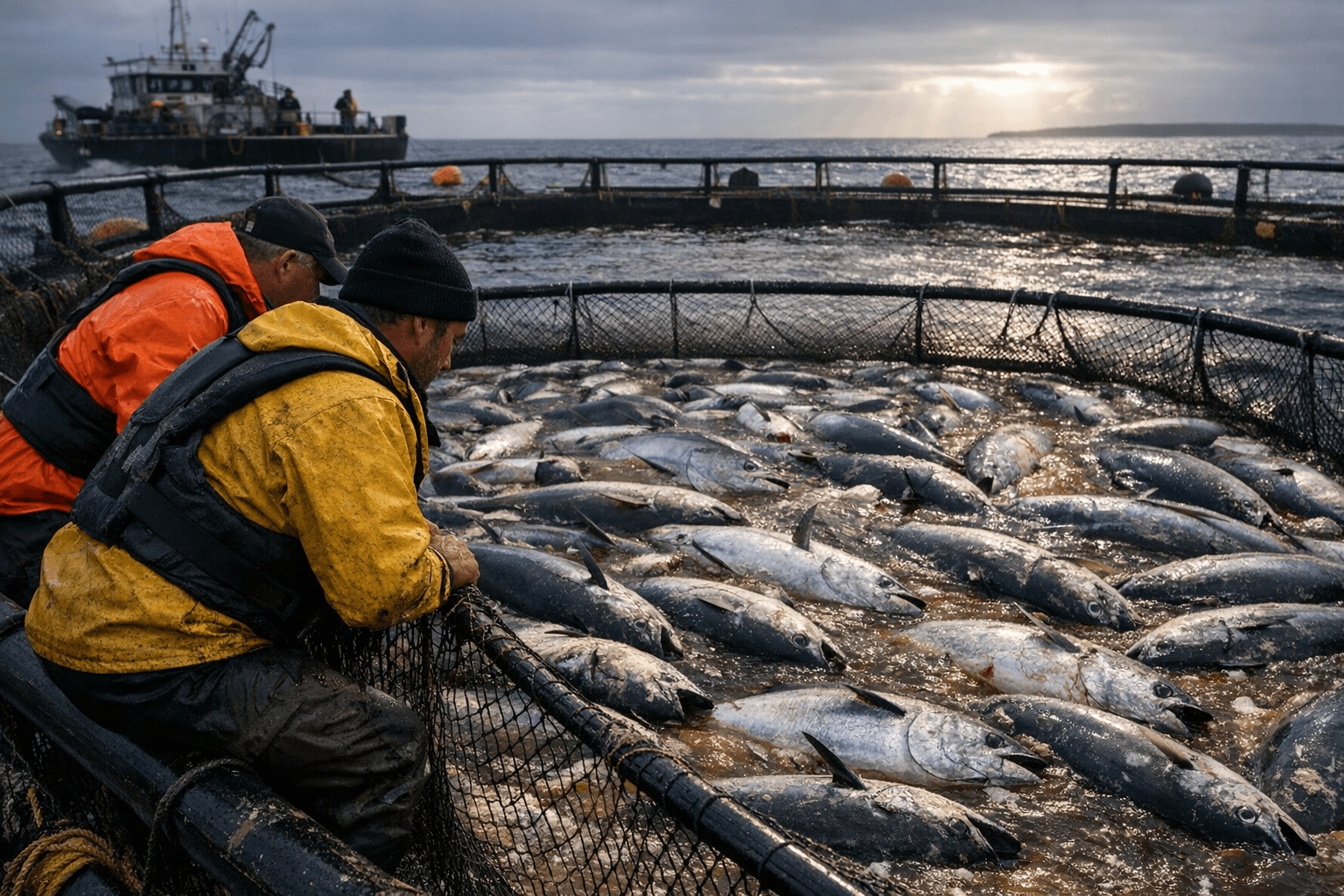
Nearly 11 percent of all seafood entering U.S. ports traces back to illegal, unreported, or unregulated fishing operations, according to a U.S. International Trade Commission estimate. That figure represents more than $2 billion in fish that didn't follow the rules your boat does. The U.S. Senate voted to change that math on March 24 when it passed the Fighting Foreign Illegal Seafood Harvest Act, known as the FISH Act, as part of the FY 2026 National Defense Authorization Act.
The bill was championed by Sens. Dan Sullivan (R-Alaska) and Sheldon Whitehouse (D-Rhode Island) and awaits companion action in the House, where Rep. Nick Begich (R-Alaska), Rep. Seth Magaziner (D-Rhode Island), and Rep. Dan Crenshaw (R-Texas) have signed on as sponsors. The cross-party, cross-regional lineup signals that cracking down on foreign IUU fleets has moved well past being a coastal-state priority.
The legislation gives federal agencies new enforcement architecture. NOAA would be required to build and maintain a blacklist of foreign vessels and their owners identified as IUU operators, and blacklisted vessels would face denial of U.S. port access and restricted market entry for their catch. The U.S. Coast Guard would gain expanded authority for at-sea inspections and joint enforcement operations, backed by new authorization for diplomatic coordination to close the back doors through which laundered fish enter the supply chain.
Sullivan has specifically called out Chinese and Russian gray fleets that ravage fish stocks and undercut domestic fishermen who follow the rules. Those fleets are the direct source of the price pressure the FISH Act is built to address.
For tuna anglers, this isn't abstract trade policy. Stocks depleted by IUU fleets that never report their catch trigger quota reductions and access restrictions that fall hardest on the boats that do file every trip. Tighter commercial limits routinely precede tighter recreational rules; by targeting that upstream pressure, the FISH Act's impact could ripple into how quota decisions get made for bluefin, yellowfin, and bigeye in future seasons. If you sell sport-caught fish through local buyers or donate to food banks, provenance documentation is already becoming a baseline expectation rather than a formality.

The bill attracted an unusually broad coalition: the Alaska Seafood Marketing Institute, United Fishermen of Alaska, National Fisheries Institute, Oceana, and the Natural Resources Defense Council all endorsed it. Industry groups and environmental organizations do not typically share a coalition letter.
If the House acts and the bill is signed into law, implementation runs through NOAA and the Coast Guard, involving new regulatory frameworks, a blacklist build-out, and inter-agency coordination that could take many months. For dealers, processors, and charter operators, tightening up documentation now is smart positioning before rulemaking defines what the standard will be.
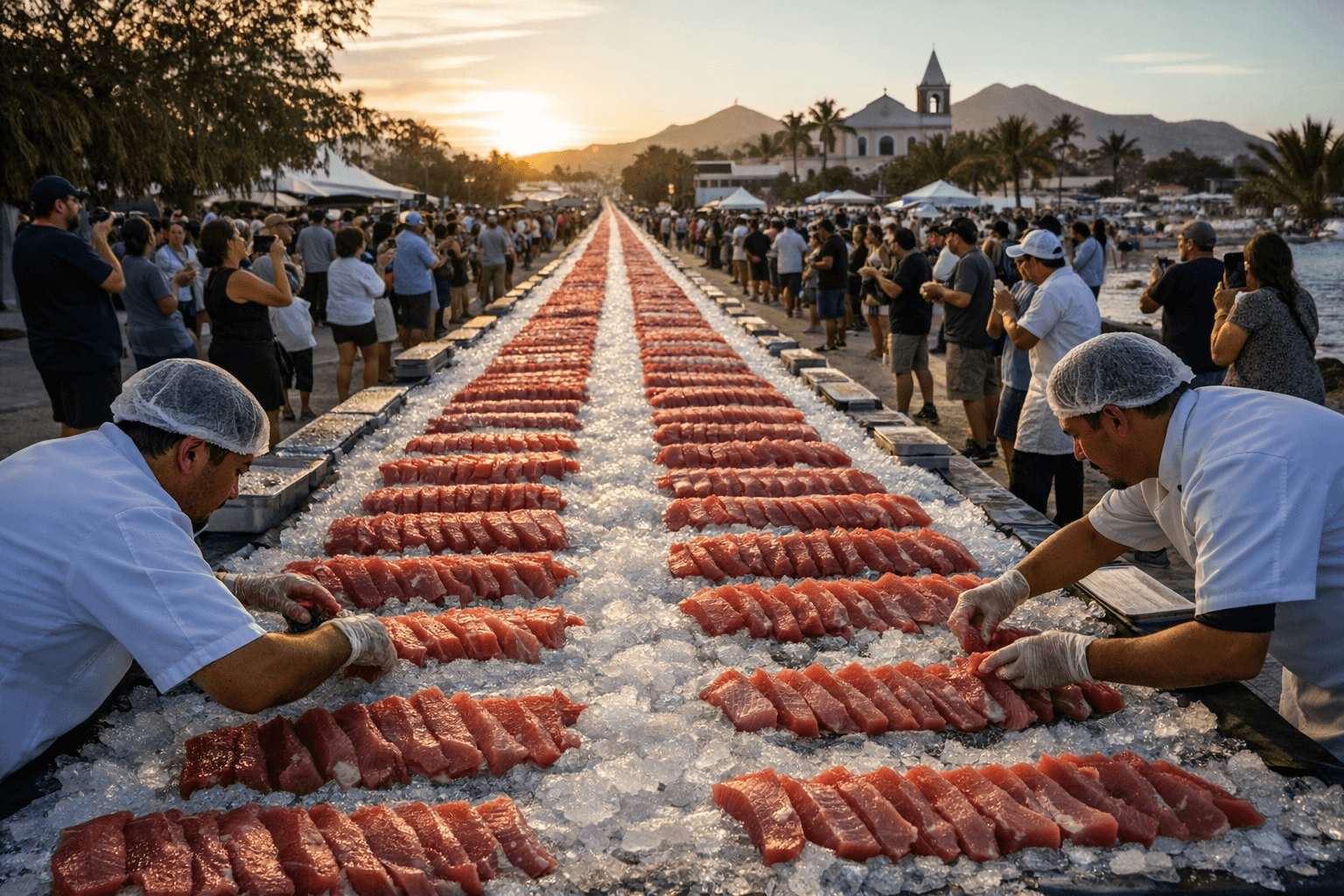
When buying tuna at retail or ordering it at a restaurant, ask whether the supplier participates in a chain-of-custody or traceability program. Domestically caught yellowfin, bluefin, and bigeye sold through licensed dealers carry paper trails that IUU product structurally cannot replicate. Marine Stewardship Council certification is another reliable signal. The market distortion the FISH Act targets, cheaper IUU product undercutting legal catch on price, is exactly what verified provenance is designed to expose.
The enforcement direction is now set. Whether the House moves quickly or the bill rides another legislative vehicle, fish laundered through gray fleets will face a harder path into U.S. markets, and the price gap that has long undercut domestic tuna is finally in the crosshairs.
Know something we missed? Have a correction or additional information?
Submit a Tip