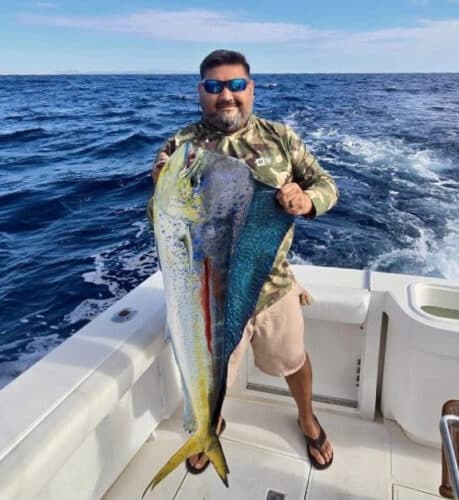
Hawaii tuna fishing turns to full moon and trade-wind planning
The June 28 full moon makes late-June Hawaii trips a timing game: chase ahi and marlin wide, or stay leeward when the trades tighten.
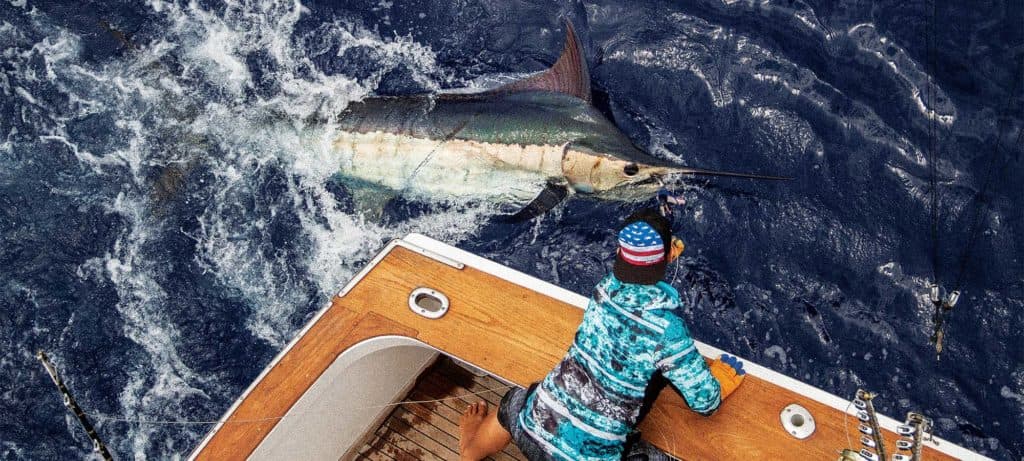
The June 28 full moon puts timing at the center of Hawaii tuna planning, and the first question is no longer just what is biting, but where you can actually run the boat. Late June still sits inside a prime blue-water window for ahi, blue marlin, mahi-mahi, and the rest of the island pelagic mix, but trade-wind strength can turn a clean offshore day into a grind fast. If the northeast trades are sitting in the workable 10 to 20 knot range, the offshore program stays open; once they climb into the 20 to 25-plus knot range, most crews start thinking about the calmer leeward sides.
Late-June is a timing window, not a simple hot bite
Hawaii sportfishing runs year-round. The islands’ “Blue Marlin Capital of the World” label fits because the fishery is built for choice, not just one target: six species of billfish plus yellowfin, or ahi, skipjack, or aku, dogtooth, bonito, albacore, and bigeye tuna. In late June, that spread matters because the decision is less about whether blue water holds fish and more about whether you want to spend the day set up for marlin or geared to work tuna edges and bait.
If you are booking a trip now, the full moon is part of the calendar, not a guarantee, and it should push you to think about your target mix before you pay for fuel and tackle. A crew that wants a crack at a blue marlin spread can justify a different run and a different pace than a crew that is mainly trying to put ahi on the deck.
The trade winds decide how far you can go
Summer in Hawaii often turns on wind direction and sea state. Northeast trades in the 10 to 20 knot range are a workable offshore setup for most captains, because they leave room to run wide, troll comfortably, and keep the boat and spread doing what they should. Once the trades start pushing 20 to 25-plus knots, the game changes and the leeward sides of the islands become the smarter play.
A wide marlin effort in rougher wind can chew up the day with travel and chop, while a leeward plan gives you more time actually fishing clean water.
What to line up before you book the trip
A good late-June plan starts with the weather window, then narrows to the island side you can fish. The full moon is a cue captains watch closely for deepwater movement, but it should sit alongside wind, sea state, and whether the leeward side you want is fishable that day. If you are trying to split the difference between ahi and marlin, you want a captain who can pivot quickly from one program to the other once the ocean tells the truth.
Before you hand over charter money, make sure these pieces are squared away:
- Confirm the wind forecast, especially whether the trades are holding in the 10 to 20 knot range or building into the stronger 20 to 25-plus knot bracket.
- Decide whether your day is really a marlin day, an ahi day, or a mixed blue-water run.
- Check which leeward side of the island is the better option if the wind makes the open run ugly.
- Bring the license situation into the plan before you travel, not after you land.
Hawaii’s current fishing regulations require nonresident recreational marine fishing licenses to fish in the ocean, and the Division of Aquatic Resources’ May 2025 regulations summary is the current reference; the rules are subject to change. Visiting anglers who skip that step are not just risking a headache, they are risking the whole trip before a line ever goes over.
The fishery behind the charter calendar
NOAA Fisheries says commercial and non-commercial fishing industries across the Pacific Islands contribute nearly $1.7 billion in sales and support nearly 16,000 jobs in island communities. In 2023, Pacific Islands commercial fishermen landed about 150 million pounds of finfish and shellfish.
This article was produced by Prism’s automated news system from verified source data, official records, and press releases, then run through automated quality and moderation checks before publishing. The system is built and supervised by the people who set the standards it runs under. Read our full AI policy.
Did this article answer your question?