How to prepare for long-range tuna and marlin trips
The biggest mistake on a long-range trip is arriving organized for the wrong fish. Lock down permits, spare tackle, seasickness prep, and food systems before the boat clears the inlet.
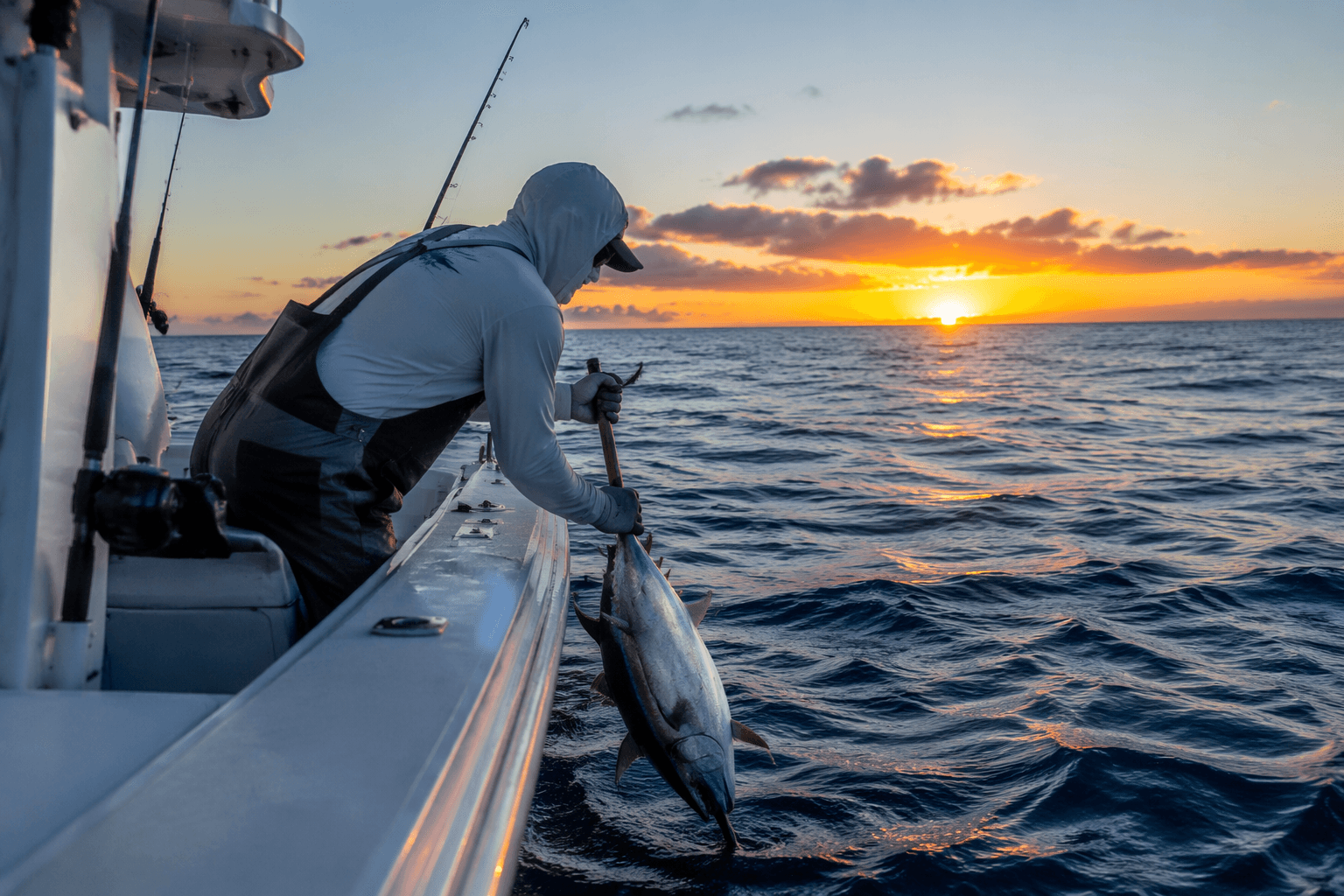
The first kite bait on a long-range tuna or marlin trip goes out after the paperwork is done. The farther you run, the less room there is for sloppy packing, half-finished rigs, or a stomach that quits before the bite does. This is a tightly regulated game as well as a hard one. Atlantic highly migratory species include tunas, swordfish, sharks, and billfishes, and the rules around them change often enough that the trip starts with paperwork, not with a rod in hand.
Get the rules straight before you leave the dock
If you are fishing federal waters for Atlantic tunas, billfishes, swordfish, or sharks, you need a valid Atlantic HMS permit. NOAA Fisheries issues federal vessel permits for Atlantic fisheries in the Atlantic Ocean, Gulf of America, and Caribbean Sea. If you are running far enough offshore that the boat is gone for days, you do not want to discover a permit problem after the rail is already loaded.
Bluefin rules are the clearest example of why you check the latest regulations before every trip. In June 2025, NOAA Fisheries adjusted the Atlantic bluefin tuna angling-category retention limit. It also closed the Atlantic bluefin tuna general category fishery through November 30, 2025, and set restricted-fishing days for the commercial general category fishery starting July 1, 2025.
Build tackle redundancy, not a pretty spread
The most expensive mistake on a long-range trip is bringing one tidy set of gear and calling it good. Out there, you are not shopping for a replacement when a hook opens up, a leader gets frayed, or the bite changes from one presentation to another. You need extra line class options, spare leaders, hooks, and lures staged where you can get to them fast, because a long-range program often flips between marlin trolling, yellowfin bait fishing, and bluefin-specific rigging without warning.
The whole outfit works best as four separate kits:
- terminal tackle, with hooks, swivels, rings, crimps, cutters, and the exact leaders you expect to burn through
- clothing and rain gear, packed so you can change fast when the weather does
- personal items, including sunscreen, pliers, medication, and charging options
- food, hydration, and motion-sickness prevention, kept separate so you are not digging through the wrong bag when the boat starts moving around
On a boat that might be dealing with multiple species, live-bait windows, and trolling windows all in the same day, “I think I packed enough” is how anglers end up borrowing terminal gear from the guy next to them.
Plan for sleep, food, and motion before the boat rocks
A long-range trip does not just test your tackle. It tests your ability to stay functional after a bad night, rough water, or a hot spell on deck. If you are tired, underfed, dehydrated, or fighting motion sickness, you stop fishing well long before you stop fishing altogether. That is why the food and rest side of prep belongs in the same conversation as rods and reels.
Seasickness starts with a mismatch between the motion signals your inner ear feels and what your eyes are seeing. In plain English, your body gets conflicting messages and your stomach loses the argument. The practical fix is to prepare before departure, not after you are already green at the rail, because once the symptoms hit, you are losing fishing time, sleep, and usually your appetite at the same time.
Long-range crews and experienced offshore anglers treat this like a logistics problem. Put easy-to-reach food where you can grab it without tearing apart your gear. Bring enough water and the kind of snacks you will actually eat when the boat is moving, not just the food you meant to eat when you packed the bag. If you know you are prone to motion sickness, build your plan around prevention, because the trip gets a lot harder once your body has already decided it is done.
Run the deck like you want the bite to happen
Deck etiquette is not about being polished. It is about not wasting other people’s time when the boat gets a chance. On a long-range trip, the pace can change fast, and a deck that is cluttered with loose gear, tangled leaders, or people standing in the wrong place costs fish. The same goes for bait handling, trolling rotations, and any moment when the crew is trying to move quickly from dead water to a live bite.
The best habit is simple: know where your gear lives and keep it there. Do not spread your stuff across the rail, do not bury your terminal tackle under clothing, and do not wait until the captain calls for a rod to start hunting for gloves or pliers.
That attitude matters even more on extended marlin and tuna runs because the trip compresses a lot of decision-making into very little time. One minute you are waiting for bait, the next you are rigging for a live opportunity, and the next you are scrambling because the fish showed up when half the crew was still digging through bags.
Expect the fishery to change while you are already on the water
Long-range prep is about adapting when the fishery, the weather, or the regulations shift under you. NOAA Fisheries manages Atlantic highly migratory species in a system that changes often enough that the boat can be legal one week and restricted the next. Your gear, your permits, your food, and your sleeping plan all need to be flexible enough to survive that.
This article was produced by Prism’s automated news system from verified source data, official records, and press releases, then run through automated quality and moderation checks before publishing. The system is built and supervised by the people who set the standards it runs under. Read our full AI policy.
Did this article answer your question?