How tuna becomes a record fish under IGFA rules
A record tuna has to survive more than scale and photo op. Under IGFA rules, the category, tackle math, fight, and paperwork all have to line up.
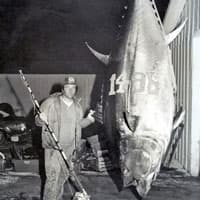
A giant tuna does not become a record fish just because it breaks a deck scale. Under IGFA rules, it has to fit a defined category, pass the tackle test, survive a real fight, and come with paperwork that leaves no daylight for a protest. Ken Fraser’s 1,496-pound bluefin is the benchmark because it cleared every one of those hurdles.
Start with the category, because the category decides the fight
IGFA does not treat every monster tuna the same. The record system is built around separate paths like All-Tackle, Line Class, and All-Tackle Length, with separate searches for male, female, and junior anglers. If you are serious about a potential record fish, you need to know which lane you are in before the spread goes out, because the tackle, the documentation, and even the way the fish is measured can change the outcome.
All-Tackle is the purest size chase. Line Class is where the gear matters most, because the fish must fit a specific breaking-strength band. All-Tackle Length gives anglers another route when length matters more than weight, which is useful in a world where a tuna can look every bit as terrifying on the side of the boat as it does on a certified scale.
The tackle math is where most anglers get burned
IGFA’s definition of angling is simple and strict: catching or trying to catch fish with a rod, reel, line, and hook. That sounds obvious until you realize how many record-sized fish get compromised by gear that drifts outside the rulebook. Fish caught in violation of local laws or regulations are out immediately, no matter how heavy they are.
For line-class records, the rule that matters most is the first 5 meters, or 16.5 feet, of line directly ahead of the double line, leader, or hook. That section determines the classification, which means the business end of the rig has to be clean, legal, and exactly what you think it is. IGFA also prohibits wire lines, and it sets hard limits on double-line and leader length in saltwater tackle: up to 15 feet for line classes through 10 kilograms, with a combined double-line-and-leader limit of 20 feet, and up to 30 feet for heavier saltwater classes, with a combined limit of 40 feet.
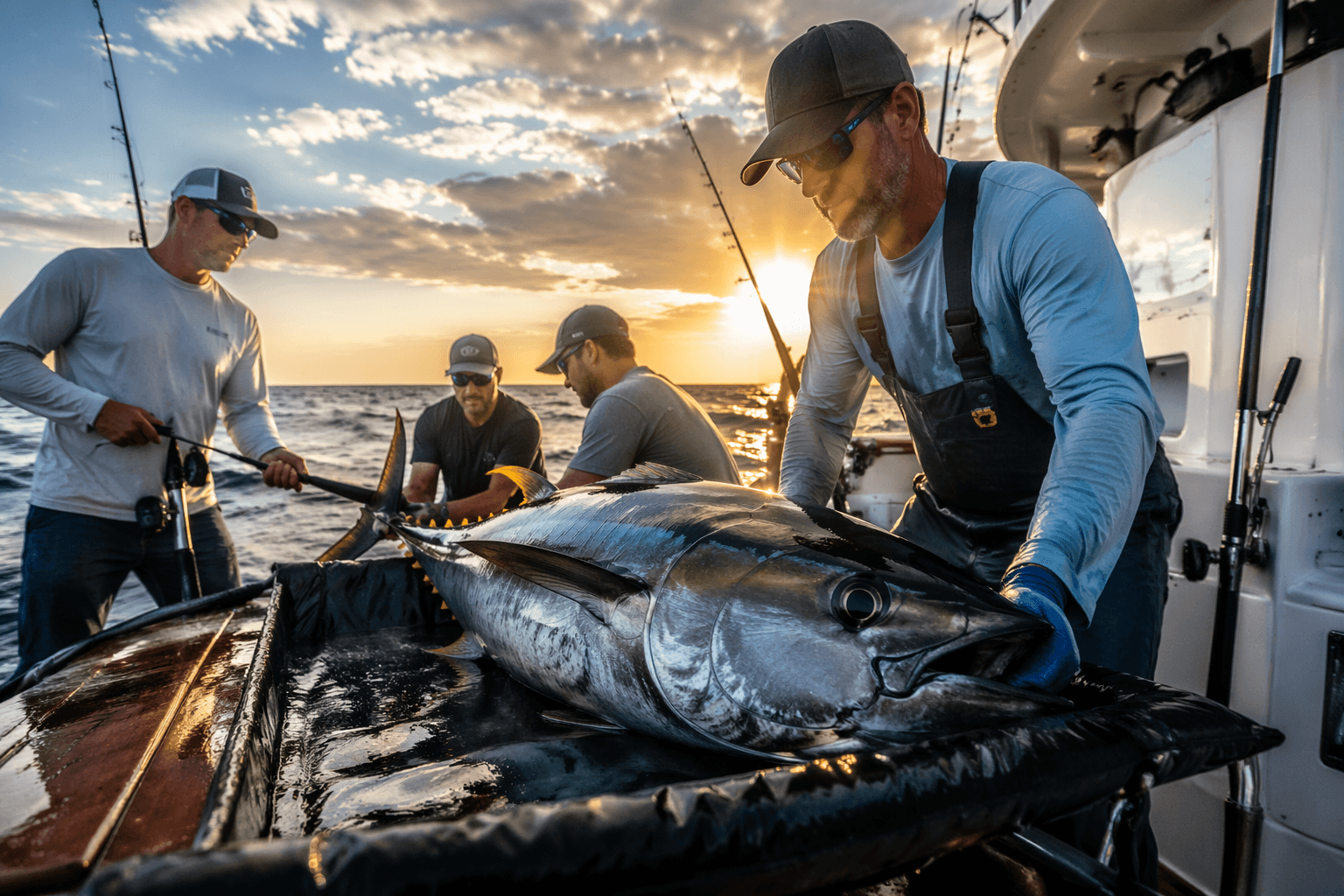
That is where a lot of serious tuna attempts die. A fish can be everything you hoped for, but if the rig is outside the length limits, the catch does not make it into the record book. The mistake is often not dramatic, just annoying and expensive: a leader that ran long, a double line that was tied too generously, or tackle that looked fine on the dock and failed the math later.
A record fish has to be fought, not just hauled
IGFA is blunt about intent. Only fish caught in accordance with the rules, and within the intent of the rules, qualify. The fish has to be genuinely fought rather than simply lifted or secured without a real battle, which matters a lot when you are talking about a bluefin that can bury a crew for an hour or more.
Fraser’s fish is the cleanest example of that standard. IGFA says the 1,496-pound Atlantic bluefin was fought on rod and reel for just under an hour after taking a rigged mackerel trolled behind the boat Lady & Misty. Another historical account puts the land time at about 45 minutes before the crew could gaff it, which tells you everything about the scale of the job and how hard that fish worked before it ever reached the deck.
The weigh-in is not a formality
If the fight is where anglers dream, the weigh-in is where records live or die. IGFA allows online submission of world-record applications, and it also offers scale certification and line-testing services for anglers building toward a legitimate attempt. That is not administrative fluff. It is the difference between a big-memory fish and a certified record.
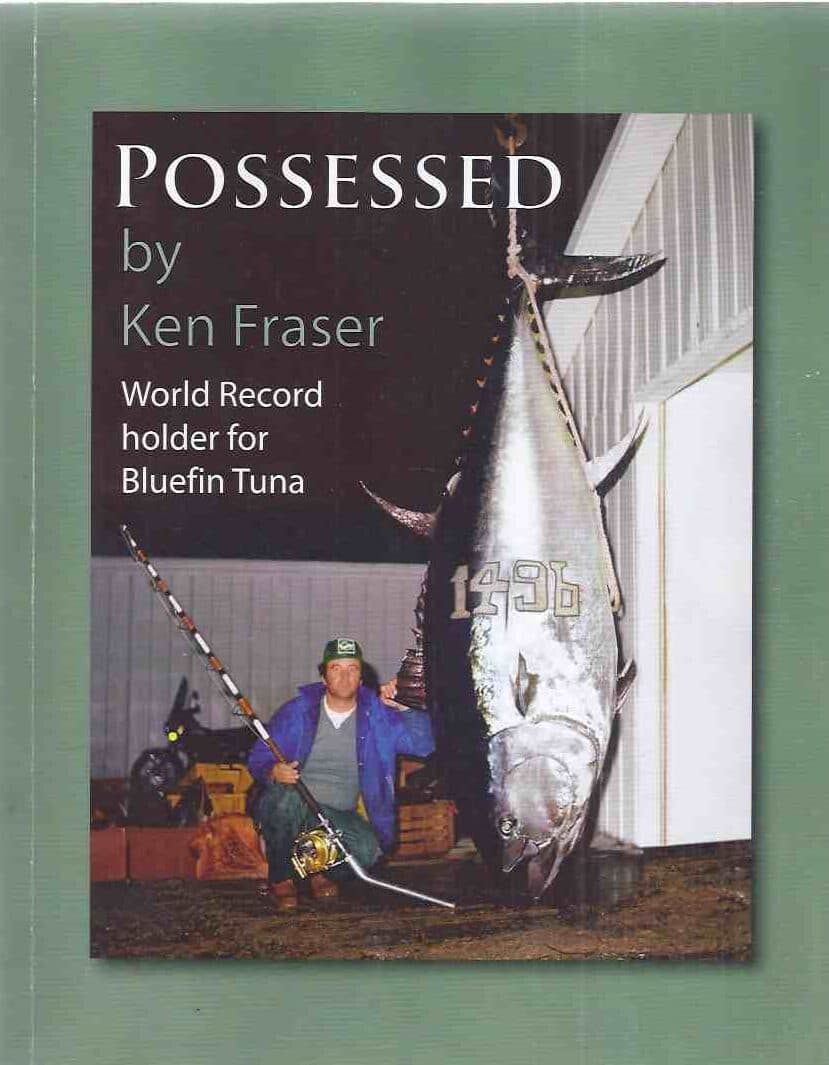
The application itself has to be complete. IGFA requires photos of the fish, the rod and reel used to catch it, the scale used to weigh it, and the angler with the fish, along with the mandatory line and terminal tackle. Miss one piece, and you are asking the record committee to trust a story without the evidence that makes it stick.
Fraser’s bluefin shows why that chain matters. One historical account says the fish sat on the boat for roughly 10 hours before it was weighed, which helps explain how extraordinary the final certified figure was. A fish that big does not just need to be caught cleanly; it needs to stay documented cleanly from hookup to scale.
Why Ken Fraser still sets the standard
Fraser’s bluefin, caught off Aulds Cove, Nova Scotia, Canada, on October 26, 1979, still stands as IGFA’s all-tackle Atlantic bluefin tuna record at 1,496 pounds, or 678.58 kilograms. IGFA’s member record page also shows he held a line-class world record for the same fish on 130-pound line, which makes the catch even more useful as a model for serious tuna anglers. It was not only huge, it was cleanly placed inside the formal record system from more than one angle.
IGFA describes the fish as the heaviest bluefin tuna ever recorded in its books, and Fraser later helped support a recreational catch-and-release bluefin fishery in Nova Scotia. That gives the story a useful edge for today’s tuna crowd: the benchmark fish was not just a brute, it was a proof of concept for how the sport defines legitimacy when a once-in-a-lifetime bluefin finally eats.
The real lesson is simple. If a giant tuna is going to count, the category has to fit, the rig has to fit, the fight has to be real, and the paperwork has to survive scrutiny. Fraser’s fish cleared all four, which is why it still hangs over every serious bluefin trip like the number nobody stops measuring against.
This article was produced by Prism’s automated news system from verified source data, official records, and press releases, then run through automated quality and moderation checks before publishing. The system is built and supervised by the people who set the standards it runs under. Read our full AI policy.
Did this article answer your question?