La Paz tuna bite improves offshore in cleaner blue water
Cleaner blue water south of the bay is the tuna tell in La Paz, while the steady near-town bottom bite gives crews a safer fallback.

The clean blue edge south of La Paz is the signal that matters right now. Inside and around the bay, the water is still green enough and inconsistent enough to make yellowfin a gamble, while boats that run farther south are finding better water and better tuna. If you want a simple go-or-no-go call, it comes down to this: stay close for dependable bottom fishing, or burn the fuel only when the color change and break line look worth the ride.
Follow the blue water, not the harbor
The offshore pattern around La Paz is producing dorado, blue marlin, and yellowfin tuna, but it is not a one-size-fits-all bite. The biggest mistake is treating the bay itself like the main tuna zone, because the better fish are tied to cleaner offshore water and temperature breaks, not the green inshore lane.
That matters because the best bites can be several miles apart. Water quality changes fast from one area to another, so the boat that keeps moving and reads the edge has the edge. In practical terms, the decision is less about whether La Paz has fish and more about whether the run south puts you on the right color line before the day burns away.
How far to run before the fuel starts to make sense
The current read is blunt: boats willing to venture farther south are being rewarded. That is the part anglers can act on now, because the report is not selling a quick close-in tuna fix. It is saying the payoff comes when crews commit to the longer run and get into cleaner blue water.
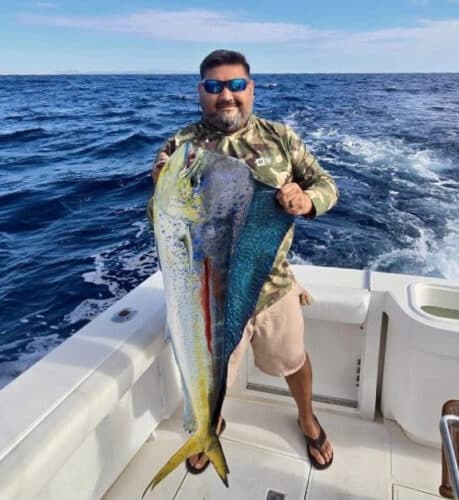
That is also why the offshore bite is carrying more than one species. When the lane sets up right, dorado and blue marlin show alongside yellowfin, which tells you the whole pelagic deal is alive rather than just a scattered tuna pass. One June 11 catch report out of La Paz backed that up with multiple dorado and striped marlin catches, a reminder that the offshore water is holding a mixed run, not a single species fluke.
Keep the baitwell simple and flexible
Sardina and mackerel remain the top baits, and that is the kind of detail that saves a morning on the dock. When pelagics are in the area, those are the workhorses you want ready, whether you are live-baiting or sticking with trolling baits.
Flexibility is the bigger lesson. The water can look fine in one pocket and go off-color a short distance away, so a crew that can switch tactics without overthinking it is in better shape than one locked into a single plan. In this fishery, the bait choice matters, but the water choice matters more.
- Sardina and mackerel are still the first baits to have on hand.
- Live bait is a real asset when the clean water is holding fish.
- If the edge looks broken or green, keep moving until the color improves.
The near-town fallback is still solid
The good news for La Paz is that the offshore tuna question sits on top of a strong bottom fishery, not in place of it. Close to town, the bottom bite is still producing cabrilla, grouper, cubera snapper, huachinango, and almaco jack, with the occasional yellowtail in the mix. That gives the day a floor even when the tuna run does not pay off.
That split is what makes La Paz a smart summer booking instead of a one-trick gamble. If the bluewater lane is right, there is real offshore opportunity. If not, you are not coming home empty-handed, because the bottom fish are still there and still biting.
Why the blue-water signal fits the science
The clean-water read also lines up with how yellowfin behave in the eastern Pacific Ocean. NOAA-linked scientific work says yellowfin spawning is associated with surface temperatures of 24°C or higher, which helps explain why the temperature break and blue-water edge matter so much when fish are moving. That is not just theory for biologists, either, because it is the same kind of water signal crews are chasing when they run south out of La Paz.
The management side points the same way. The Inter-American Tropical Tuna Commission’s 2025 benchmark assessment covers yellowfin in the eastern Pacific and runs from 1984 through the start of 2024, which is a long enough window to show how tightly this stock is tied to tropical conditions. Put simply, the tuna are not random here. They are showing up where the water says they should.
June still offers a broad offshore window
La Paz is not only a yellowfin play in June. FishingBooker’s June guidance calls this a month for giant blue marlin and also flags mahi mahi, snapper, amberjack, and sierra mackerel as common species around town. That broader mix matters, because when the offshore lane opens, the boat is not just looking at tuna, it is looking at a full pelagic spread.
That is why the overall read on La Paz is positive even with the weather swinging around. Tailhunter Sportfishing described the weather as very erratic, changing from day to day and even by the hour, which is exactly the kind of volatility that makes water color and run decisions more important than hype. When the sea settles into the clean blue lane south of the bay, the tuna push becomes worth the fuel. When it does not, the steady bottom bite close to town is still there, and that is the real strength of La Paz right now.
This article was produced by Prism’s automated news system from verified source data, official records, and press releases, then run through automated quality and moderation checks before publishing. The system is built and supervised by the people who set the standards it runs under. Read our full AI policy.
Did this article answer your question?