Longtail Tuna Spread Across Fraser Coast Waters in Autumn Bite
Longtail tuna pushed from Platypus Bay to the western bay and the straits, forcing anglers to fish wider, run farther and follow bait instead of hotspots.
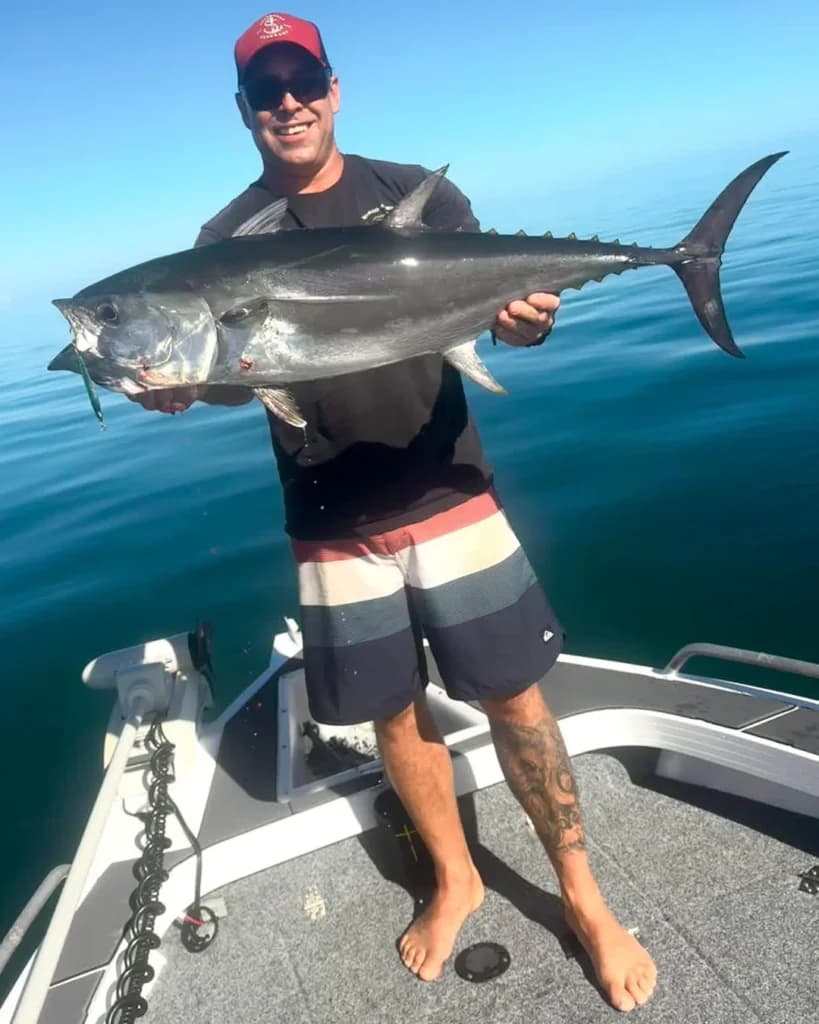
The big clue in the Fraser Coast bite is not a single patch of fish, it is the spread. Longtail tuna were turning up through Platypus Bay, the western bay and the Great Sandy Strait, a pattern that points to moving bait and roaming schools rather than one tight feed window. For anglers, that changes everything: search lines matter more than lucky casts, fuel planning gets wider, and the launch choice needs to match where the bait is stacking, not where the last hot tip came from.
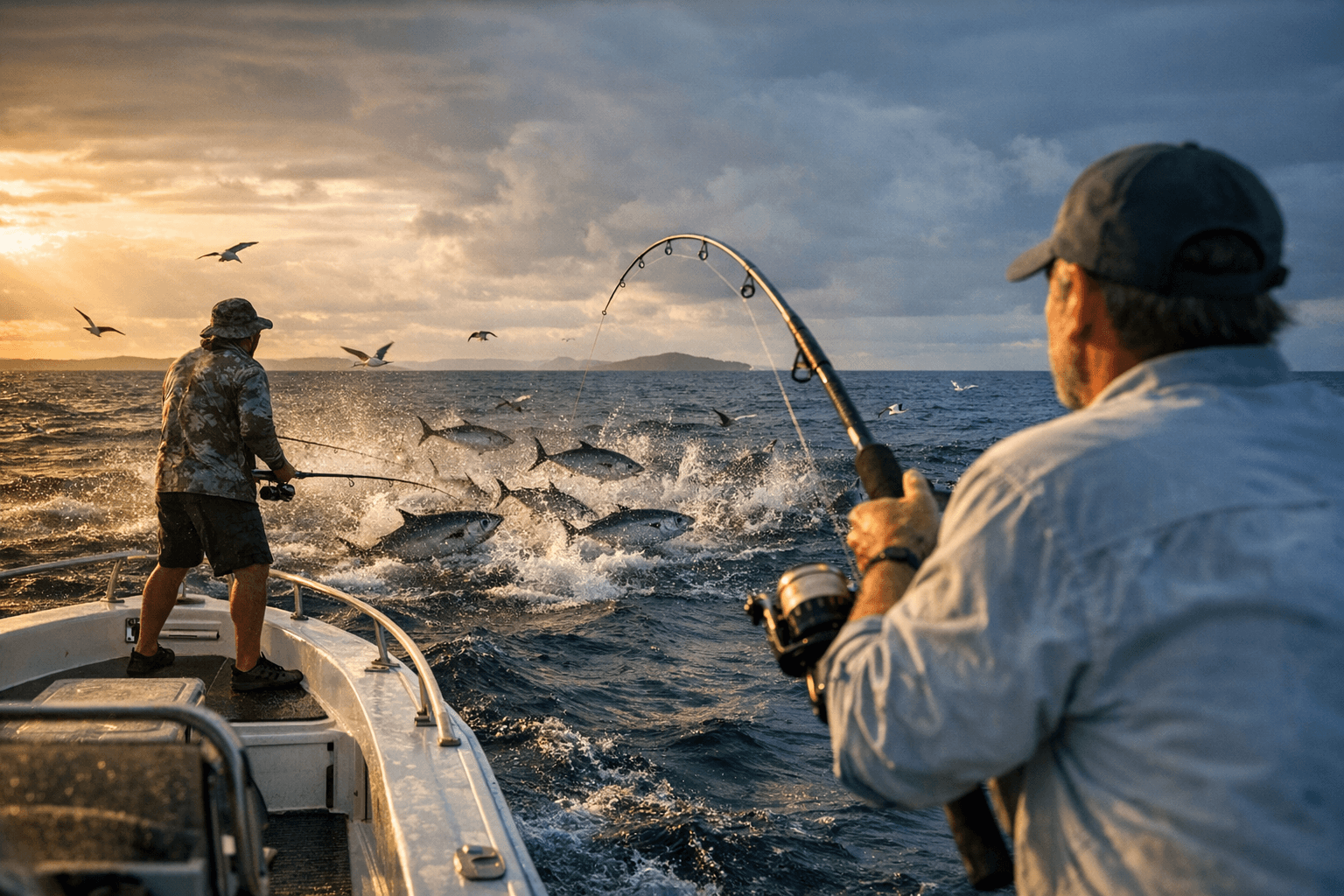
That kind of distribution rewards crews who are prepared to work current edges, bait schools and clean water instead of sitting on one mark and hoping the fish stay put. In practical terms, the run from Hervey Bay into Platypus Bay or across toward the western side of the bay becomes less about chasing a single bite and more about covering water until the birds, bust-ups or bait show the pattern. With the fish spread across such a broad stretch, the more efficient boats will be the ones with enough range to keep moving when a drift goes quiet.
The shift also lines up with the seasonal rhythm local anglers expect. A Hervey Bay charter view of the fishery says longtail tuna are caught year-round, but the main run of school-size fish usually peaks in April or May. Coastwatch’s earlier April 2 update had already flagged longtail and mac tuna as active, with school mackerel spread around the Four Beacons and through the Spitfire Channel. By March 13, the message was even clearer: the main action remained longtail tuna up Fraser Island, with anglers told to head for Platypus Bay and keep steering north to find them.
The April 18 report showed the broader Fraser Coast bite opening up beyond tuna. Urangan Pier improved as better water quality and bait movement pulled in school mackerel, mack tuna, queenfish and the odd Spanish mackerel. Beach fishing lifted for whiting, especially on the lower half of the incoming tide with topwater lures, while creek and river mouths produced flathead, grunter, blue salmon, queenfish and occasional barramundi as the tide built. Offshore crews found strong fishing when weather allowed, although shark depredation stayed a problem.
The takeaway for this weekend is simple: do not fish the Fraser Coast like it is a narrow, one-zone tuna bite. Start with bait, tide and current lines in Platypus Bay, the western bay and the Great Sandy Strait, carry enough fuel to move, and be ready to shift quickly when the birds, surface action or bait push somewhere else. In autumn, the tuna are not sitting still, and the anglers who adapt fastest will find them.
This article was produced by Prism’s automated news system from verified source data, official records, and press releases, then run through automated quality and moderation checks before publishing. The system is built and supervised by the people who set the standards it runs under. Read our full AI policy.
Did this article answer your question?