Maine Bluefin Tuna Fishing Surges, Big Fish Close to Shore
Big Maine bluefin are running close to shore, but the real edge is simple: find bait, match the fish, and verify the rules before you launch.
Maine’s bluefin window is open, but it is not casual
The smartest Maine bluefin trips now start with a hard truth: the fish can be close, the ride can be short, and the window can still close fast. NOAA shut down the Atlantic bluefin tuna recreational angling-category fishery on August 12, 2025 after the adjusted quota, including the Gulf of Maine trophy quota, was reached, which is exactly why a summer plan has to begin with the rules and not the romance.
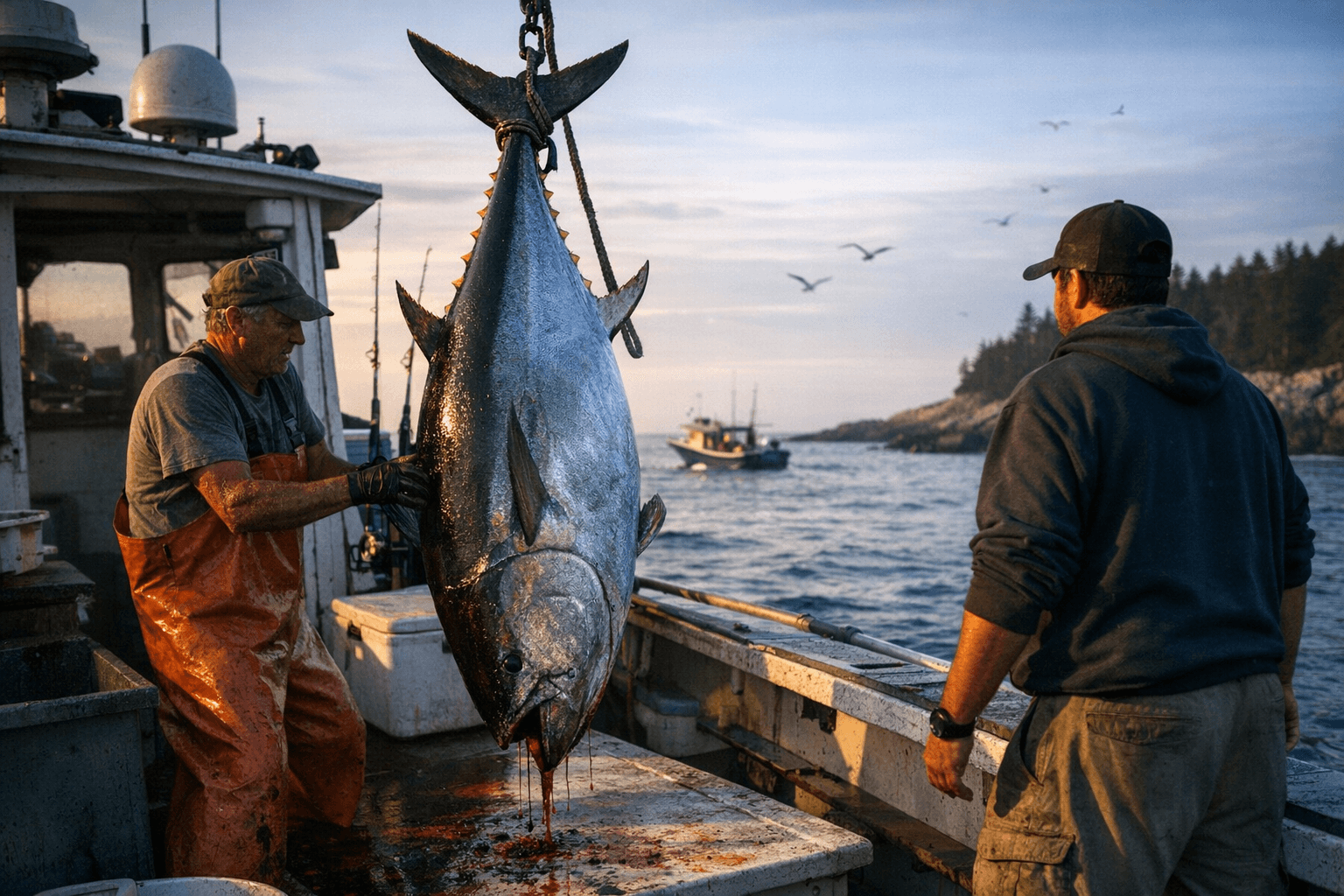
What makes this fishery worth the fuel is the size class. The bluefin showing up off Maine are typically 75 to 100 inches, which means you are not poking at schoolies or drifting through a novelty bite. You are targeting true big fish, and the combination of deep water, short runs, and a real chance at a trophy is what has pushed Maine back onto every serious tuna angler’s map.
The first decision is range, not tackle
Maine is unusual because the water gets deep almost immediately. Capt. Bob Humphrey of Portland says captains can reach 300 to 400 feet of water just 8 to 10 miles offshore, and that changes the whole math of the day. You are not burning half the morning in transit the way you might in other bluefin grounds, and you are not forced into marathon runs just to get over the right bottom.
Greg Brown puts it plainly in local terms: the days when boats had to run south to Gloucester for action are gone, because fish are now showing much closer to his home waters around Kent and Boon Island. That matters because it turns Maine into a practical summer option, not just a dream fishery. Less fuel, less time underway, and more time fishing is a big deal when the bite is built around a few hard, opportunistic shots.
Follow the bait, and the fish will usually follow it too
If you want to save time, stop thinking in terms of depth alone and start thinking in terms of forage. Herring, mackerel, and squid are the food sources that pull bluefin into Maine water, and captains are watching for bait schools, diving birds, and surface commotion as the clearest signs that fish are in the area.
Some days the fish stay deep and make you work for it. On those days, patience is part of the game, because the bite can feel invisible until it isn’t. Other days the surface feed is obvious and violent, the kind of feed that turns a quiet ocean into a mess of birds, bait, and exploding water in minutes. If you are building your day around a bluefin hunt, those are the two modes to plan for: deep and deliberate, or loud and immediate.
Match the trip to the class of fish you are actually chasing
A Maine bluefin trip should be built like a heavyweight fight, not a sightseeing run. Fish in the 75 to 100-inch range are serious enough that every part of the setup has to be chosen with the expectation of a long, hard pull and a heavy fish at the end of it. The logical mistake is treating Maine like a place where you can improvise with light gear because the run is short. Short does not mean easy.
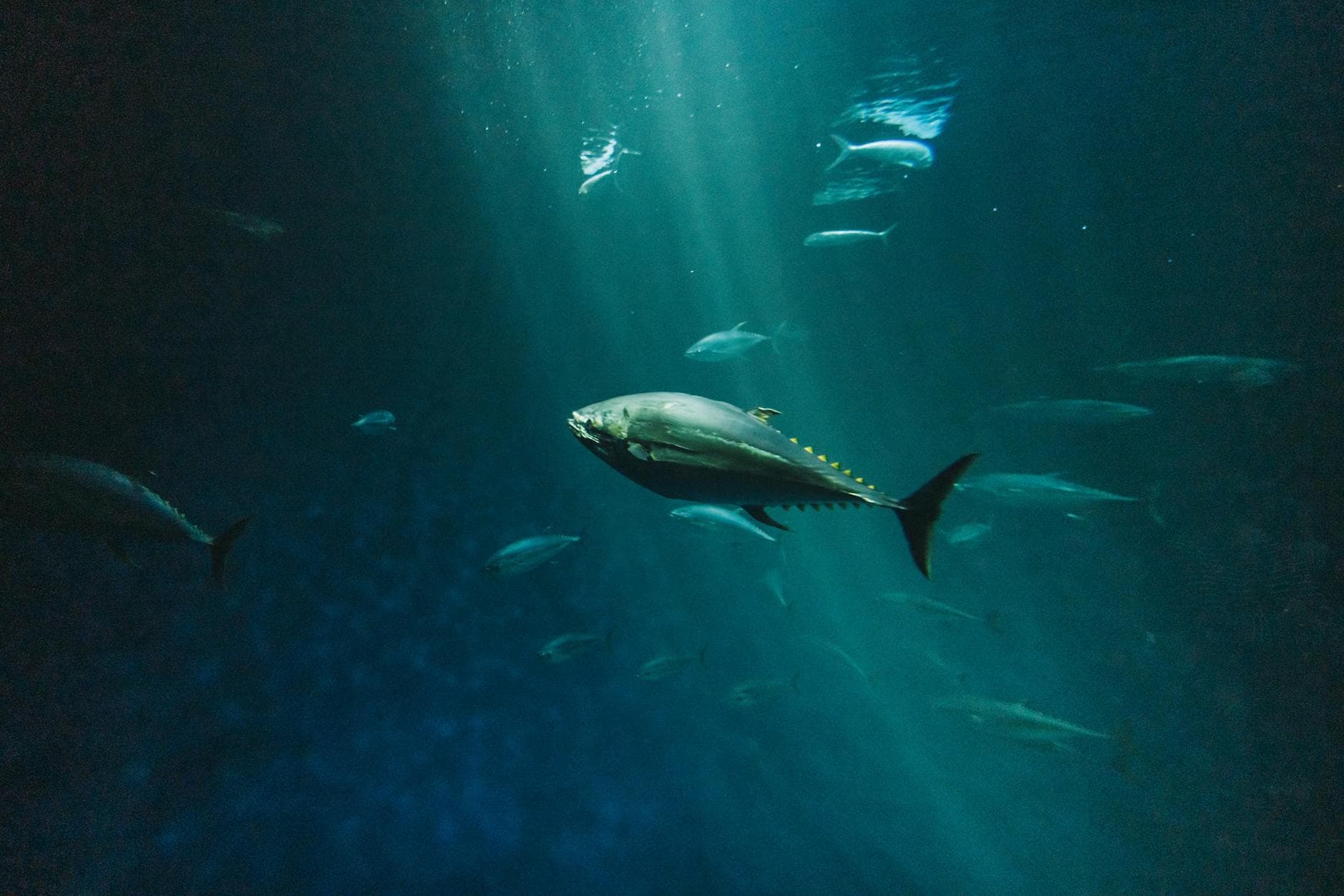
The better mindset is simple: build your spread and tackle around fish that can punish weak knots, marginal drag settings, and sloppy boat handling. If the fish are up and feeding on top, you still want gear that can survive a brutal first run. If they are deep, you want the patience and gear to stay buttoned up until the fish decides to come up. Maine rewards anglers who are ready for both moods in the same week.
The rulebook is part of the trip, not a side note
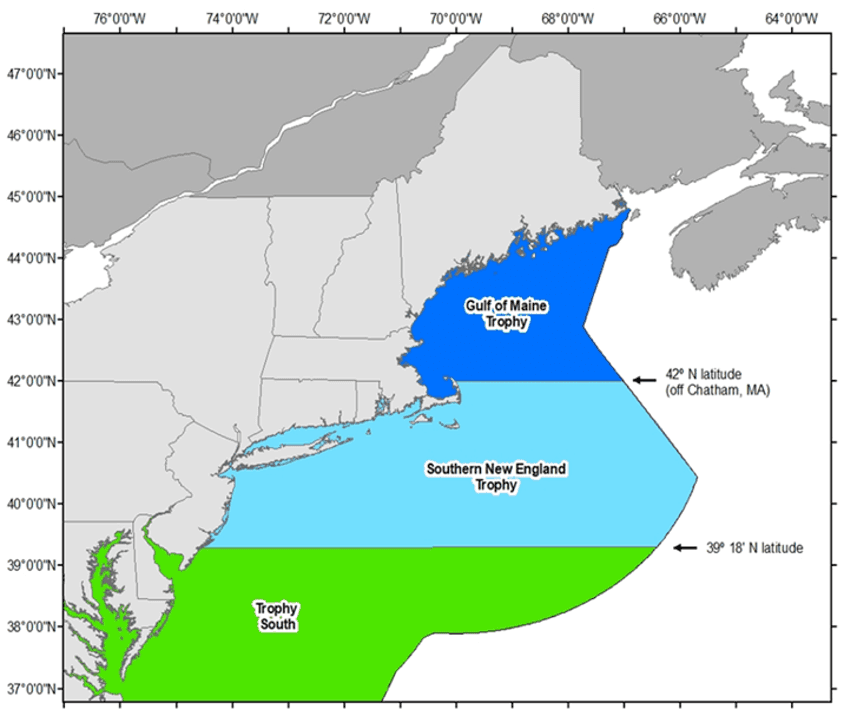
This is where people get burned. NOAA Fisheries said the 2025 recreational bluefin tuna default limit for HMS Angling and Charter/Headboat vessels was 1 bluefin tuna per vessel per day or trip for fish 27 to under 73 inches curved fork length. At the same time, there was a separate recreational trophy fishery for fish 73 inches curved fork length or greater in the Gulf of Maine as long as quota remained available.
That trophy window is exactly the kind of thing you need to verify before you leave the dock. As of April 17, 2026, NOAA’s status page showed the Gulf of Maine trophy area open, but the same fishery can shut down in-season if the quota gets used. The 2025 closure proved the point: access can disappear quickly in a strong year.
Before you go, make sure these boxes are checked:
- All vessels fishing recreationally for Atlantic tunas, sharks, swordfish, and billfish must have an Atlantic HMS Angling permit.
- NOAA requires catch reports for retained or dead-discarded recreational bluefin to be submitted within 24 hours of landing or the end of the trip.
- Maine’s recreational saltwater rules can require registration, and recreational anglers cannot sell the fish.
- Federal limits can change in-season, so the trophy area and retention rules need a fresh check before departure.
That is the unglamorous part of Maine bluefin, but it is also the part that protects your trip from becoming a paperwork problem. In this fishery, the boat may be 8 miles from shore, but the rule changes can feel a lot closer than that.
Why Maine still stands out
What keeps Maine special is the blend. You get deep water close to land, strong forage, and a legitimate shot at a large bluefin without the kind of run that eats a whole day. That combination is rare in the North Atlantic, and it is why anglers keep coming back even after the fishery has its fits and starts.
Bluefin management is also bigger than any one harbor. ICCAT compiles Atlantic tuna fishery statistics and helps shape the research and stock-assessment advice that feeds quota decisions, so Maine is part of an international system, not just a local summer bite. That is the last thing to remember before the next trip: the fish may be close to shore, but the rules around them are always moving, and the best Maine days go to the crews that keep one eye on the birds and the other on the regulation sheet.
This article was produced by Prism’s automated news system from verified source data, official records, and press releases, then run through automated quality and moderation checks before publishing. The system is built and supervised by the people who set the standards it runs under. Read our full AI policy.
Did this article answer your question?