Mediterranean Bluefin Tuna Fattening Raises Sustainability Concerns
A viral clip of bluefin getting 10kg of fish a day exposes the real engine behind Mediterranean tuna value. For anglers, the takeaway is simple: cage fattening still leans on wild fish, so your tuna fishery feels that pressure too.
The video that sparked the reality check
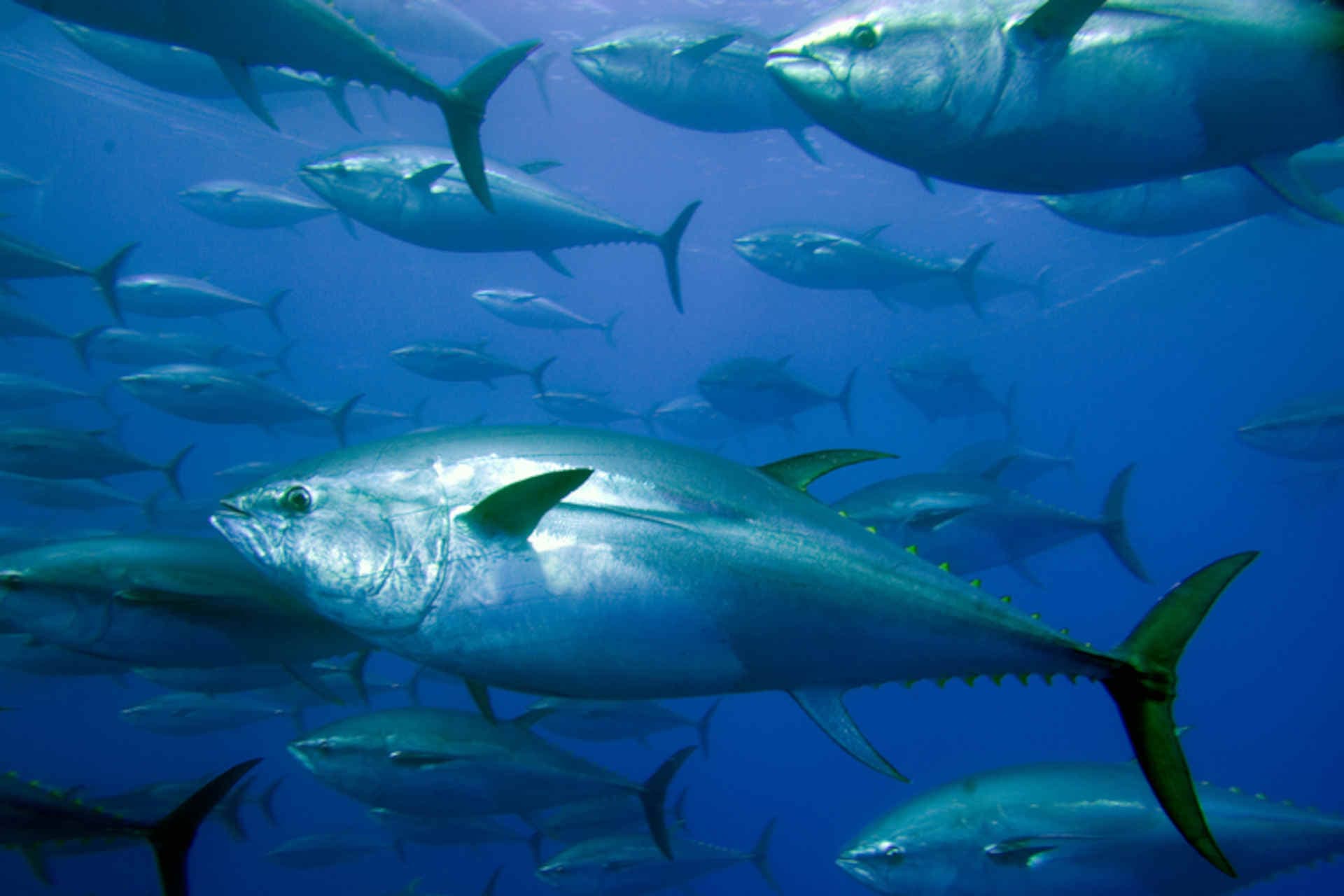
A bluefin tuna in a Mediterranean fattening cage eating 10kg of fresh fish a day is more than a viral curiosity. It is the clearest possible picture of how a single market fish can stand on top of a long chain of wild capture, feed demand, and high-end pricing. The headline number matters because it turns bluefin from a trophy on deck into a commodity with industrial gravity.
That is the part recreational tuna fishermen need to understand. The cages do not replace wild fishing, they sit on top of it. Atlantic bluefin tuna aquaculture in the Mediterranean is a capture-based system that relies on wild-caught tuna for stock and wild-caught baitfish for feed, so every fattening operation is still tied directly to the ocean fisheries anglers care about.
Why fattening changes the value of bluefin
The fattening stage is where bluefin gains its market power. FAO notes that bluefin tuna can sell for more than 200 USD/kg for fat tuna meat, which helps explain why the practice persists even under heavy scrutiny. The fish are not simply held in sea cages for storage, they are bulked up for premium markets, and that premium keeps the whole chain attractive.
The cost side is harder to ignore. The 10kg-per-tuna-per-day feeding detail, paired with reported 10:1 feed conversion ratios, shows how much wild biomass can be burned through to produce a single market-ready fish. That is why the debate around fattening is not just about image, it is about pressure on forage fish, pressure on wild tuna stocks, and pressure on the idea that bluefin can be treated like a conventional farmed species.
The Mediterranean system is not separate from wild fishing
One of the biggest misconceptions around Mediterranean bluefin is that farming somehow removes demand from the wild fishery. It does not. The region’s industry has long been criticized for relying on wild fish both for stocking and feeding, and a review in 2024 found that Atlantic bluefin tuna is the only tuna species farmed in EU waters. Croatia has been a pioneer in Mediterranean tuna farming, which shows how deeply embedded the business already is in the region.
That matters to anglers because the public often sees a fattened bluefin and assumes it came from a closed farming loop. In reality, the system begins with a wild-caught fish and keeps drawing on wild baitfish to finish the job. The fishery you work, whether you target giants off the grounds or run a local charter, is connected to that chain whether you want it to be or not.
ICCAT built traceability into the management story
The governance side has been chasing the same problem for years. ICCAT and FAO established an ad hoc working group on sustainable bluefin tuna farming and fattening practices in the Mediterranean in 2002, after the industry expanded and needed practical sustainability guidelines. That early step says a lot: even before today’s social media scrutiny, managers understood that cage fattening was not a side note, it was a major pressure point.
ICCAT’s bluefin tuna catch documentation scheme is designed to identify the origin of bluefin tuna, and its 2024 management text makes traceability especially important for live fish transport and farming activities. In plain English, the chain from capture to cage to market is supposed to be visible. For anyone who fishes bluefin, that traceability is part of the same management world that governs quotas, landings, and access.
The science says fattening is where most of the catch goes
The latest scientific picture is blunt. ICCAT’s scientific reporting says fattening is the main operation and destination of eastern Atlantic and Mediterranean bluefin catches. That means a large share of the fish taken from the fishery are headed not to a direct table market, but into a system designed to increase value before sale.
The monitoring behind that conclusion has been building for years. A regional observer program for eastern Atlantic and Mediterranean bluefin tuna has collected size and weight data since 2008, and a 2022 ICCAT scientific paper reviewed farm harvest operations from 2015 to 2022 to estimate how bluefin grow in farms. This is not a vague industry estimate, it is a trackable, measured system that has been under scrutiny for well over a decade.
Why the sustainability concern is still alive
A 2024 study on Atlantic bluefin tuna aquaculture put a hard number on the social side of the ledger, estimating a 3.4-fold higher long-term social cost than the short-term economic gain. That does not read like a clean win for sustainability. It points to the same uncomfortable conclusion anglers keep running into: the money is real, but so are the external costs.
ICCAT’s 2025 bluefin tuna recommendation says the eastern Atlantic and Mediterranean stock no longer appears to require the emergency measures that had been introduced under the earlier recovery plan. That is encouraging, but it does not erase the pressure coming from a premium market that rewards heavier, fattener fish. The stock may no longer need emergency action, yet the industrial incentives around it are still strong.
What recreational tuna fishermen should take from this
If you fish bluefin, the lesson is not to look away from the cage side of the story. The fish you chase on the grounds is part of a global value chain where a tuna can be fed 10kg of fresh fish a day, sold for more than 200 USD/kg, and tracked through a documentation system built to keep the origin visible. That is the industrial context shaping the fishery you love.
It also changes how public perception works. A market driven by fattening can make bluefin seem scarce, exotic, and ultra-valuable at the same time, which increases demand for tight control over origin, transport, and harvest. The more visible the industry becomes, the more pressure there is on managers to prove they can trace each fish and justify each harvest.
The reality check is simple: Mediterranean fattening does not sit outside the tuna fishery, it sits inside it. As long as wild stock, wild feed, premium pricing, and traceability rules remain linked, bluefin management will keep being shaped by what happens in those cages just as much as what happens offshore.
This article was produced by Prism’s automated news system from verified source data, official records, and press releases, then run through automated quality and moderation checks before publishing. The system is built and supervised by the people who set the standards it runs under. Read our full AI policy.
Did this article answer your question?