Nauterra Joins Galicia Logistics Cluster to Strengthen Global Supply Chain
Nauterra, the company behind Calvo and Nostromo tuna, joined a regional logistics network that could tighten cold-chain and traceability expectations on imported tuna.
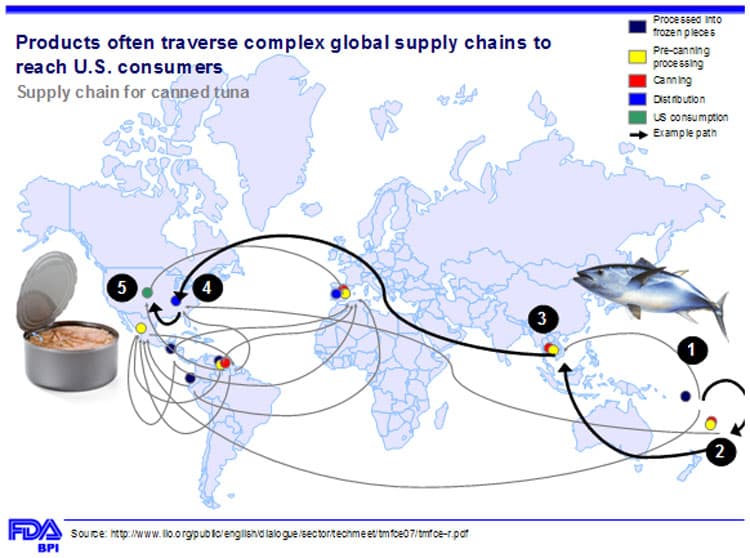
The canned tuna on your kitchen shelf most likely passed through a supply chain Nauterra controls. The Spanish company behind Calvo, Gomes da Costa, and Nostromo joined the Galicia Logistics Cluster on March 27, and the ripple effects on retail pricing and traceability requirements run straight to the dock.
Galicia, in northwest Spain, is one of the densest canned-fish processing zones on the planet, and the cluster is a regional network of port operators, cold-storage facilities, transport companies, and processing firms coordinating shared logistics infrastructure. Nauterra's membership plugs one of the sector's largest vertically integrated producers into that planning apparatus, aligning its raw-material sourcing, cold-chain handling, and distribution routes with the region's collective systems.
The stated goals are logistics efficiency, technology adoption, and joint projects to sharpen distribution flows across Europe, the Americas, and Africa. For markets that draw heavily from Galicia-processed tuna, that combination can shift where product lands and how quickly supply signals translate into shelf availability or sudden scarcity.
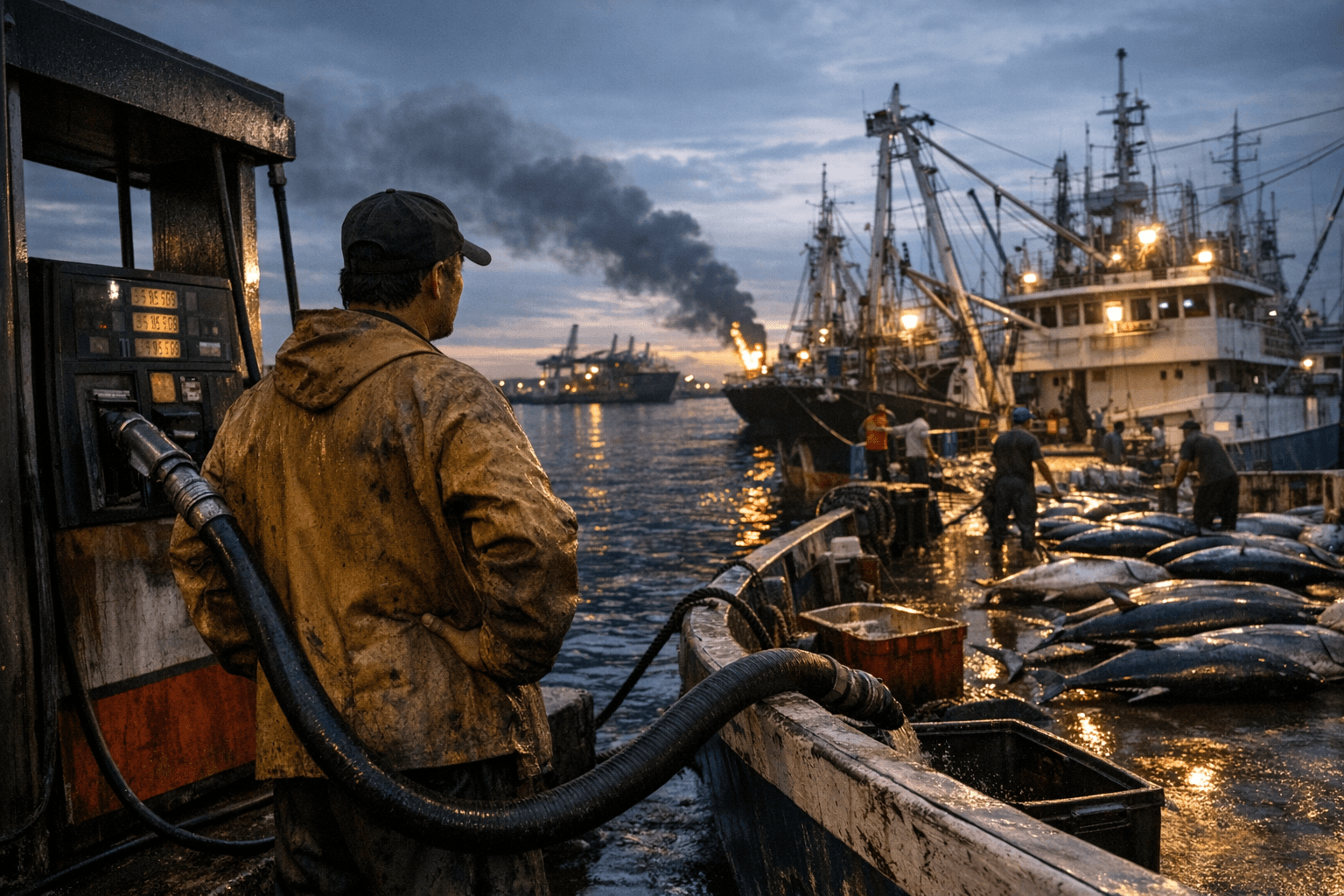
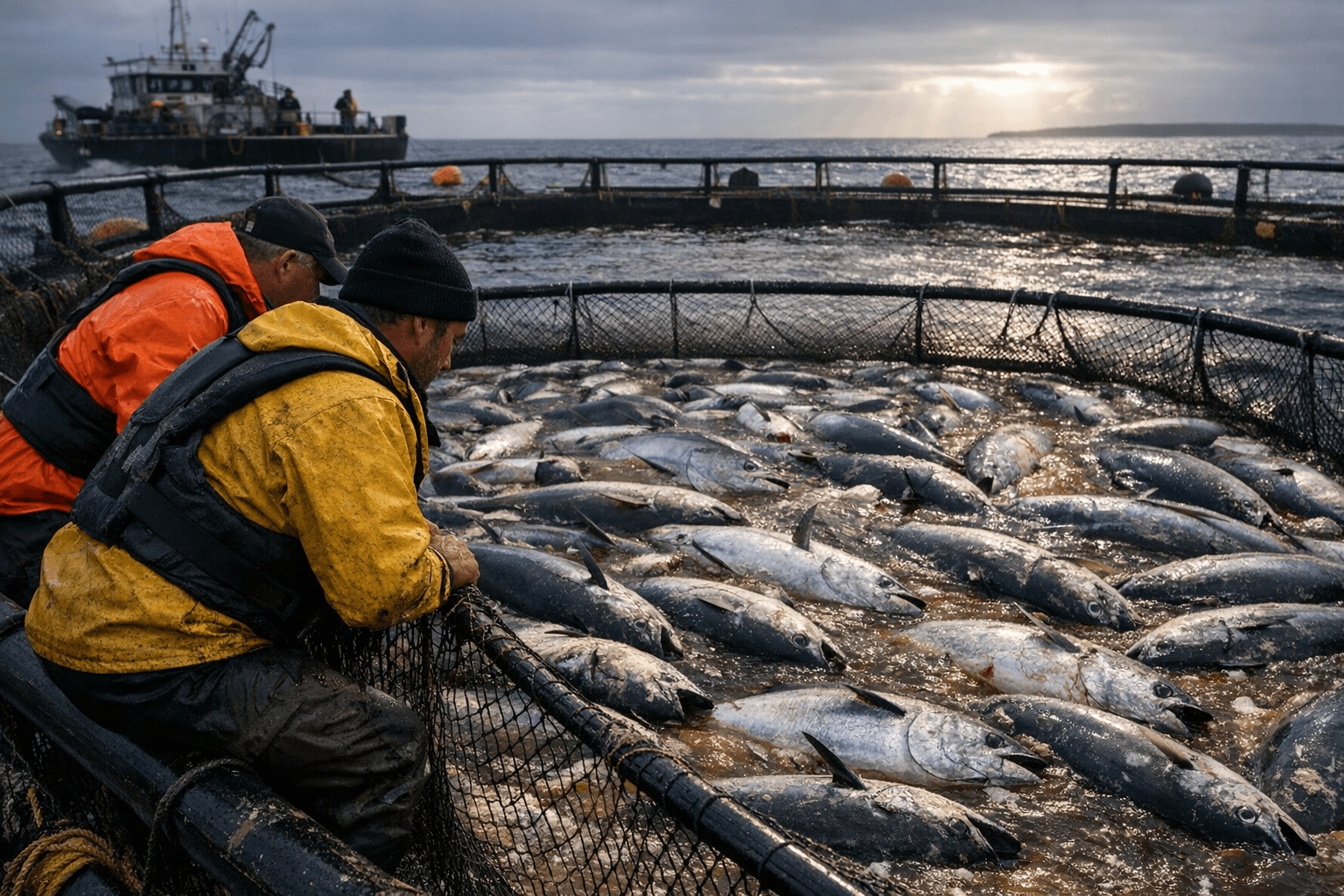
The cold-chain dimension is where anglers who sell or donate catch to local processors should pay close attention. Nauterra describes logistics as a strategic pillar for delivering consistent quality and managing demand peaks without sacrificing cost control. As the company modernizes cold-chain systems through cluster partnerships with regional port and storage operators, it will expect the same standards from upstream suppliers: documentation, ice practices, and delivery timing. Small-scale suppliers and charter operations landing yellowfin or bigeye for processors tied to brands like Calvo should anticipate stricter intake requirements going forward.
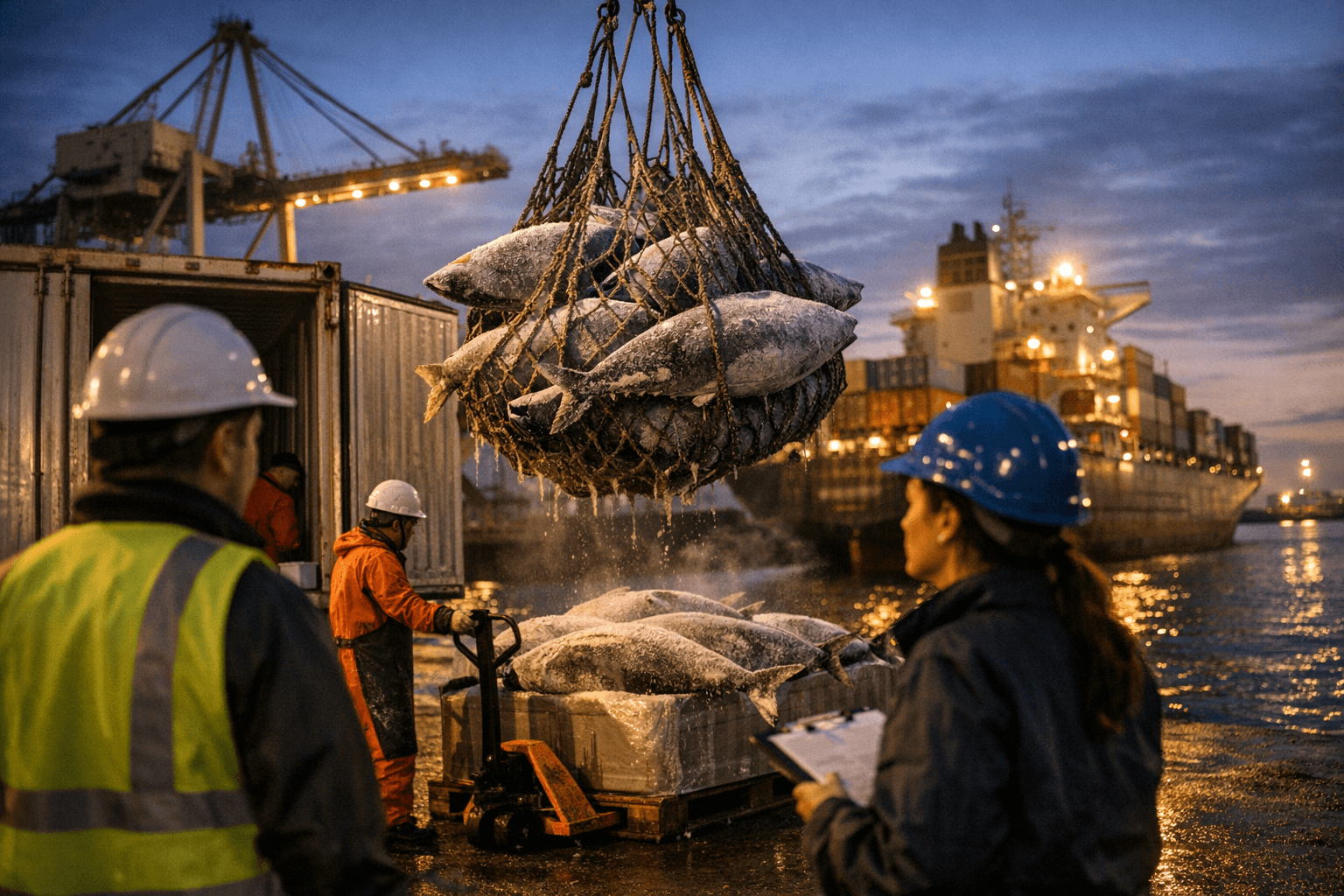
The longer play is traceability. The tuna industry has been under sustained pressure to document fish from hook to can, partly to satisfy European import rules and partly to address IUU fishing concerns. Logistics digitalization, which cluster membership accelerates, makes traceability audits faster and gaps easier to detect. Any small-scale commercial operator supplying fish into that pipeline will increasingly need paper trails that match the sophistication of the buyer's systems.
For consumers, the upside is pricing stability. Coordinated regional logistics can smooth the bottlenecks that push canned tuna prices up during peak demand windows. The tradeoff is that a more tightly managed supply chain concentrates quality expectations at the processor level, raising the bar for anyone entering that market from the supply side. That pressure will travel upstream faster than most small operators expect.
Know something we missed? Have a correction or additional information?
Submit a Tip