New Jersey bluefin tuna offer a long season of opportunity
New Jersey bluefin can run 30 to 125 pounds from late May into December, but the bite only pays if you stay ahead of fast-changing rules.
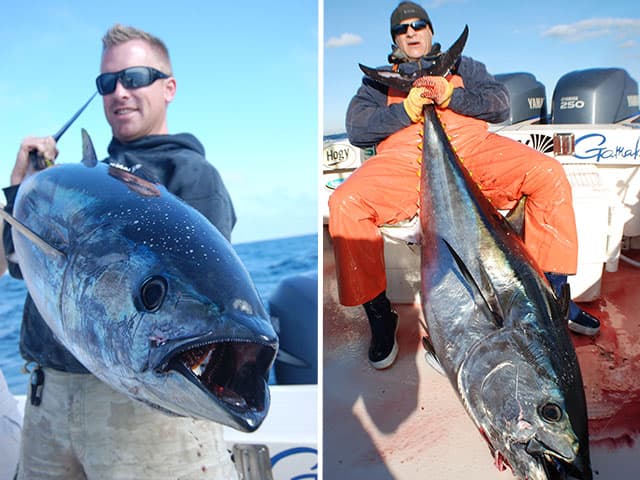
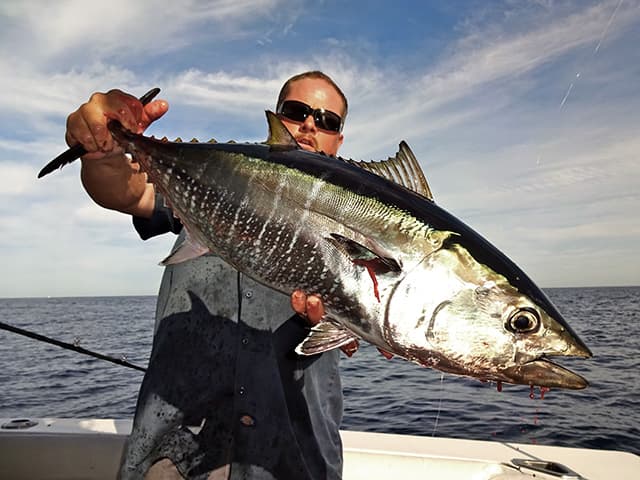
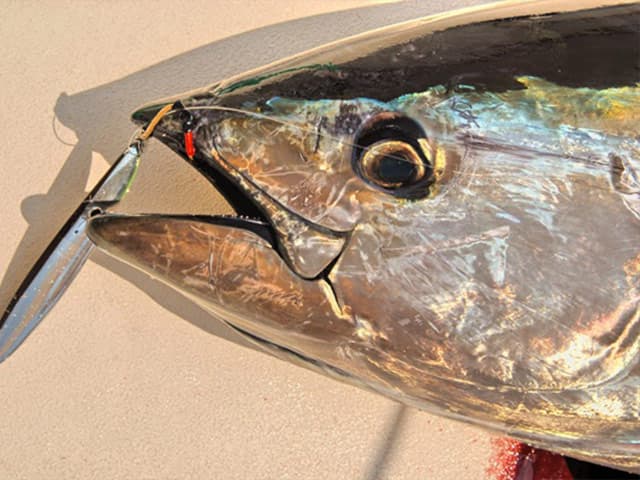
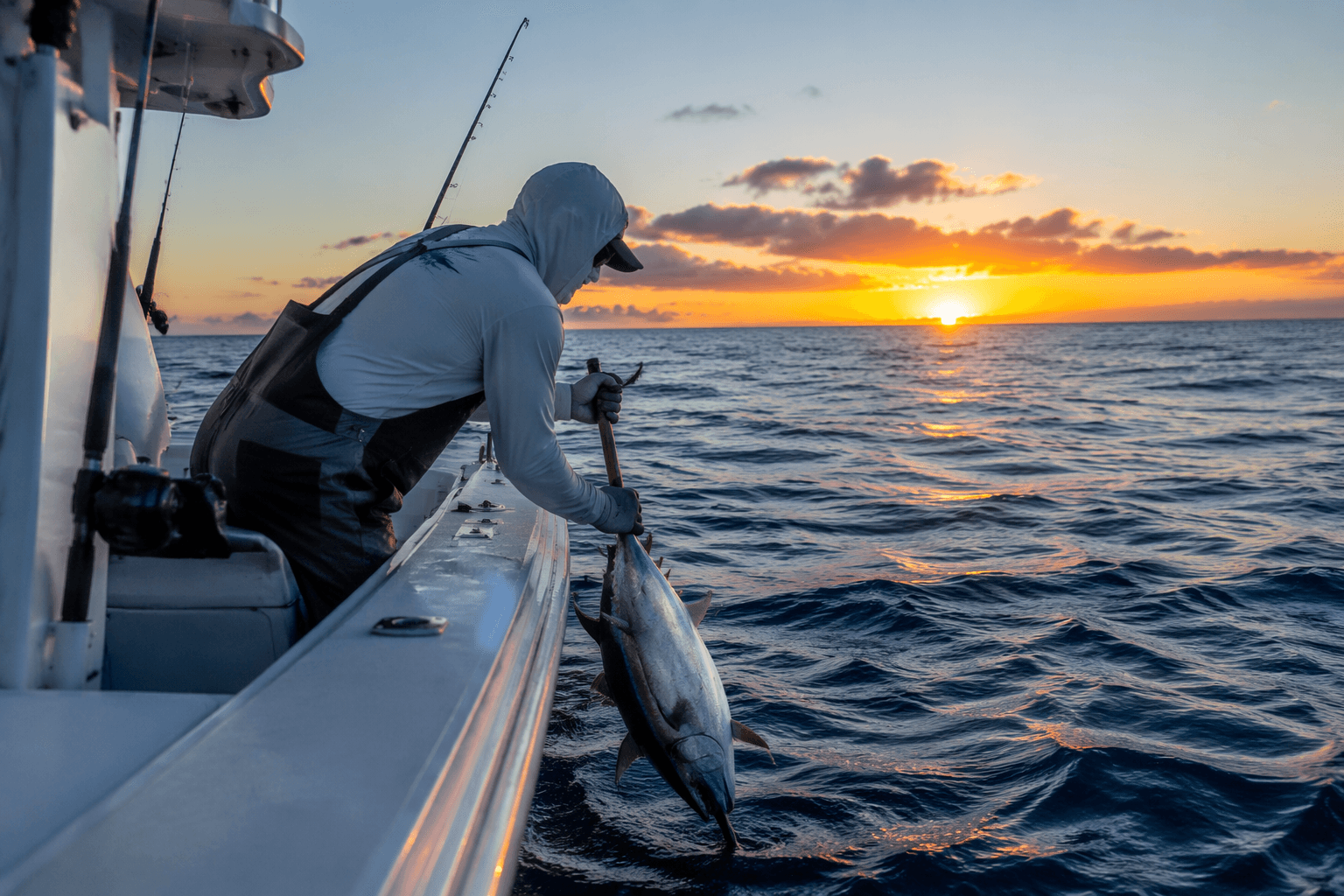
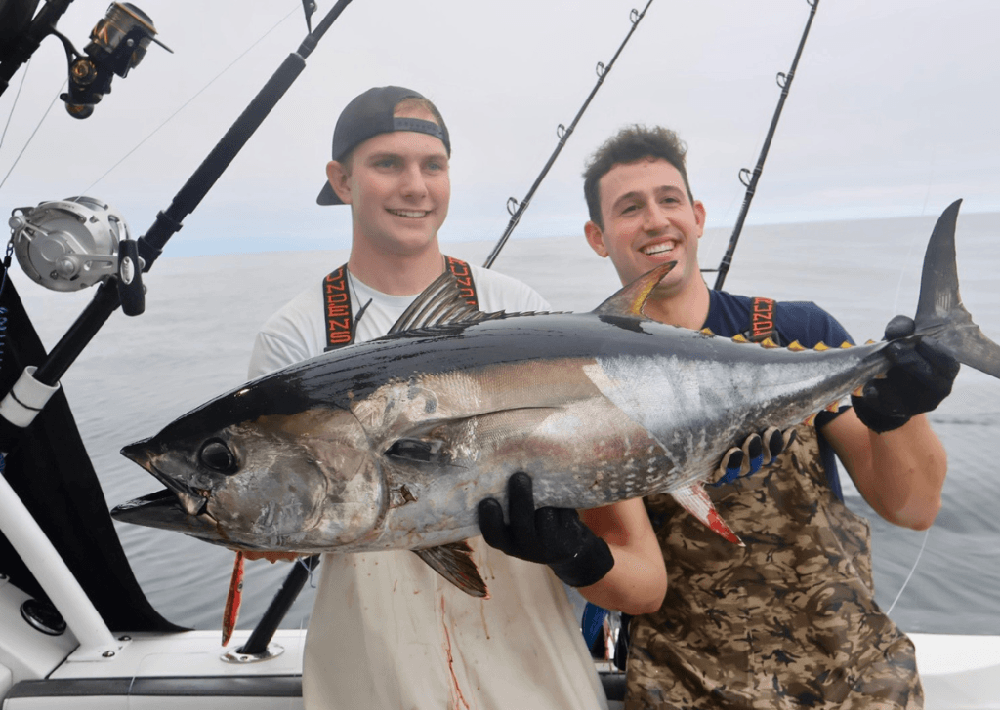
A bluefin bite that can stretch from late May through December is why New Jersey keeps drawing tuna crews long after other grounds cool off. Off the Garden State, you are not chasing a one-week flurry. You are dealing with a long-season fishery that can hand you 30-pound school fish or 125-pound class tuna, depending on where the bait and the water set up.
Why New Jersey stays in play
Bluefin here are a fish for all seasons, and the size range is broad enough to interest both inshore boats and offshore crews. When you can regularly encounter fish from roughly 30 to 125 pounds, the fishery becomes a season-long option for private anglers, charter captains, and anybody who wants a realistic shot without waiting on a single headline bite.
New Jersey offshore waters can produce school-size and mid-size bluefin that a wide range of boats can handle, so you do not need a giant rig to stay relevant. You do need to be honest about your range, your fuel, and the size of fish you are actually equipped to land.
What to watch as the season moves
Distance and size class shape Jersey bluefin decisions. Early in the season, some of the more useful bites have shown up closer than people expect, with bluefin around 8 miles off Asbury Park in one example and school bluefin running 15 to 20 miles off the coast in early August in another. Later, the fishery can slide wider, and that is where your plan has to shift from convenience to efficiency.
The practical read on the water
When you are deciding whether to run, look at three things first:
- How far the fish are sitting, because a nearshore school bite and a canyon troll are not the same trip.
- What size class is showing, because 30- to 50-pound fish let you fish lighter and faster, while fish up into the 100-pound range force you to bring gear that can stop a serious run.
- Whether the bite is centered on a piece of structure, a temperature edge, or just a short-lived drift, because New Jersey tuna are usually more repeatable when you are working consistent water instead of chasing rumors.
How I would rig and fish it
This is not a place for one magic presentation. The useful move is to match your approach to the size of fish and the distance offshore, then adjust as the month changes. If you are dealing with school fish closer in, lighter gear, faster turns, and compact spreads make more sense. If the fish have pushed wider or the average size has climbed, your tackle has to scale up before you leave the inlet.
The cleanest way to think about it is this:
1. Match your tackle to the biggest fish you might actually hook, not the smallest one you hope for.
2. Keep your spread simple when the fish are under 50 pounds and aggressive.
3. Bring the heavier setup when the fishery shifts toward mid-size and larger bluefin offshore.
One week you are looking at fish close enough to make a short run worthwhile, and the next week you are dealing with broader ocean structure and longer drifts.
The rule book can change the run
Atlantic highly migratory species regulations can change frequently, and the responsibility sits with the angler to know the current rules before fishing. NJDEP Fish & Wildlife keeps the state’s recreational highly migratory species regulations and reporting guidance in one place, which is exactly where you should check before you fuel the boat.
The season’s 2025 regulation changes showed how quickly the math can move. NOAA Fisheries issued a Federal Register notice on June 16, 2025 adjusting the Atlantic bluefin tuna angling category retention limit, and NOAA later announced a limit effective July 1 allowing private vessels with HMS Angling permits to keep one bluefin measuring 27 to less than 73 inches. Then NOAA announced on August 8 that the Angling category Atlantic bluefin tuna fishery was being closed as of August 12.
NOAA also issued a Federal Register notice on September 19 closing the General Category September fishery for 2025. NOAA described 2025 as a "banner year" for U.S. catch. NOAA’s 2025 advisory-panel materials tied management to giving anglers as much fishing opportunity as possible while staying inside ICCAT Recommendation 22-10, the Atlantic Tunas Convention Act, and the Magnuson-Stevens Act.
This article was produced by Prism’s automated news system from verified source data, official records, and press releases, then run through automated quality and moderation checks before publishing. The system is built and supervised by the people who set the standards it runs under. Read our full AI policy.
Did this article answer your question?