NOAA reopens Pacific monuments, giving tuna fleets closer access
NOAA reopened Pacific monument waters to commercial fishing, putting tuna grounds closer to U.S.-flagged boats and cutting the run to offshore fish.
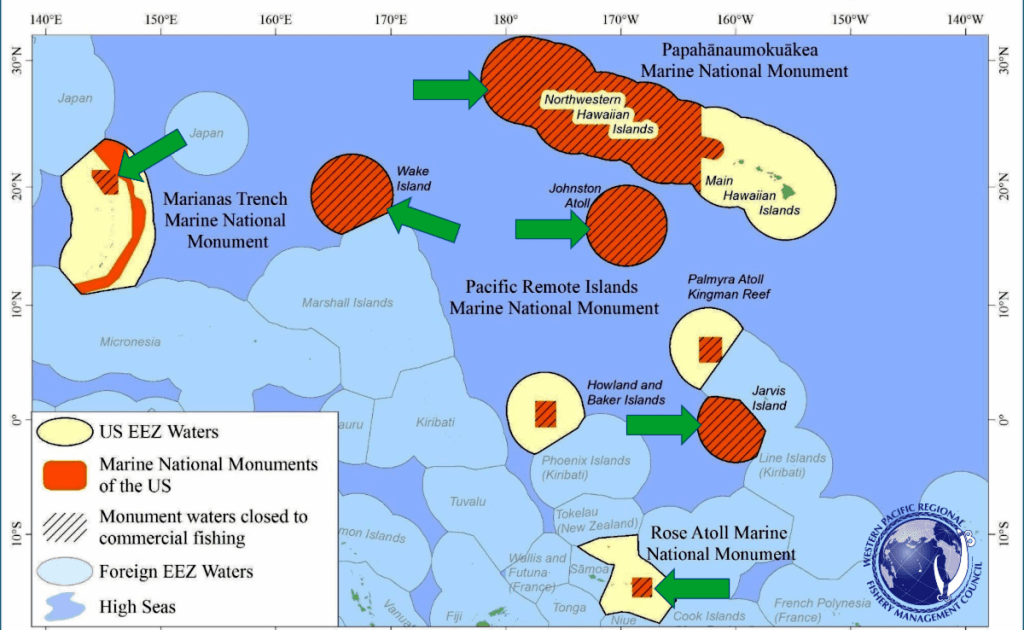
NOAA’s move put real tuna water back within reach of U.S.-flagged boats. By reopening commercial fishing access in Pacific marine monuments, the agency shifted some of the most valuable offshore ground closer to domestic fleets that had been running farther out into international waters to find tuna and other pelagic species.
The proclamation, announced on June 11, 2026, framed the change as both an economic play and a policy reset tied to the 50-year anniversary of the Magnuson-Stevens Act. NOAA said the order was meant to strengthen U.S. seafood competitiveness and reflected feedback from the domestic fishing industry. For commercial tuna operators, that matters because fuel burn, travel time and time on station are everything when fish are moving along temperature breaks, edges and offshore structure.
That is why the agency’s language caught the tuna crowd’s attention so quickly. NOAA did not present the reopening as symbolic access. It described the newly accessible waters as fishing areas that had pushed American vessels farther offshore before, forcing them to compete in the same broader ocean space as foreign fleets. In practical terms, that can change where boats run, how long they stay out and how much pressure gets concentrated on the remaining productive grounds.
The policy also comes with a clear warning for anyone hoping for a free-for-all. NOAA stressed that expanded access would still sit inside the U.S. fisheries model of science-based management, monitoring and enforcement. For tuna fleets, that combination is the whole game: more room to work, but still under a managed system that can tighten again if stocks, bycatch or compliance problems become political flash points.
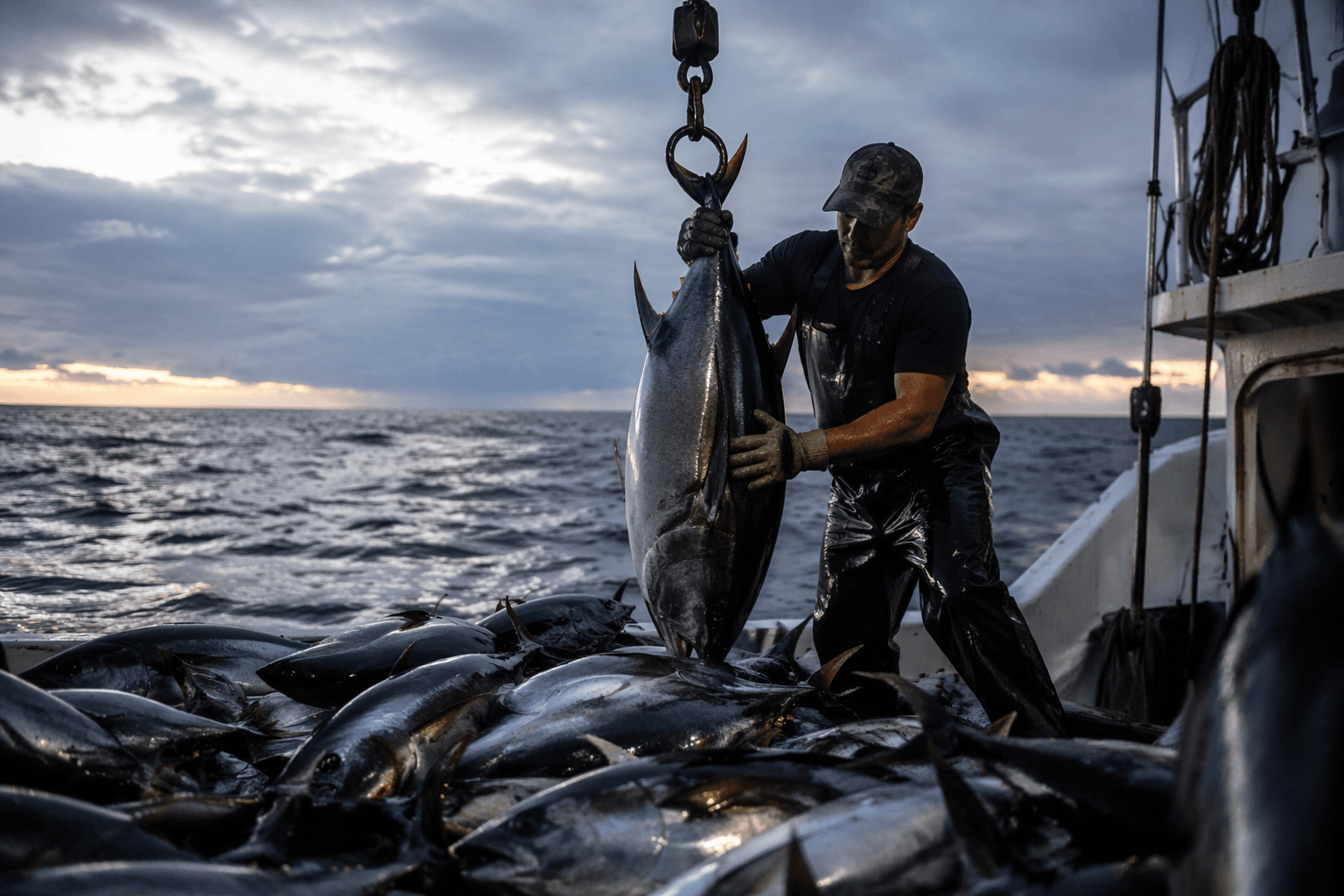
The agency’s use of a Pacific yellowfin tuna image underscored how directly the announcement was aimed at offshore commercial fishing, not just coastal symbolism. The pitch was straightforward: more U.S.-caught fish on American tables, more opportunity for coastal communities, and closer access to tuna grounds that had been out at the edge. The fight now shifts from the proclamation itself to what comes next, because every reopened mile of ocean also creates a new precedent for the next management battle.
This article was produced by Prism’s automated news system from verified source data, official records, and press releases, then run through automated quality and moderation checks before publishing. The system is built and supervised by the people who set the standards it runs under. Read our full AI policy.
Did this article answer your question?