Pacific bluefin tuna rebounds, but managers urge long-term harvest strategy
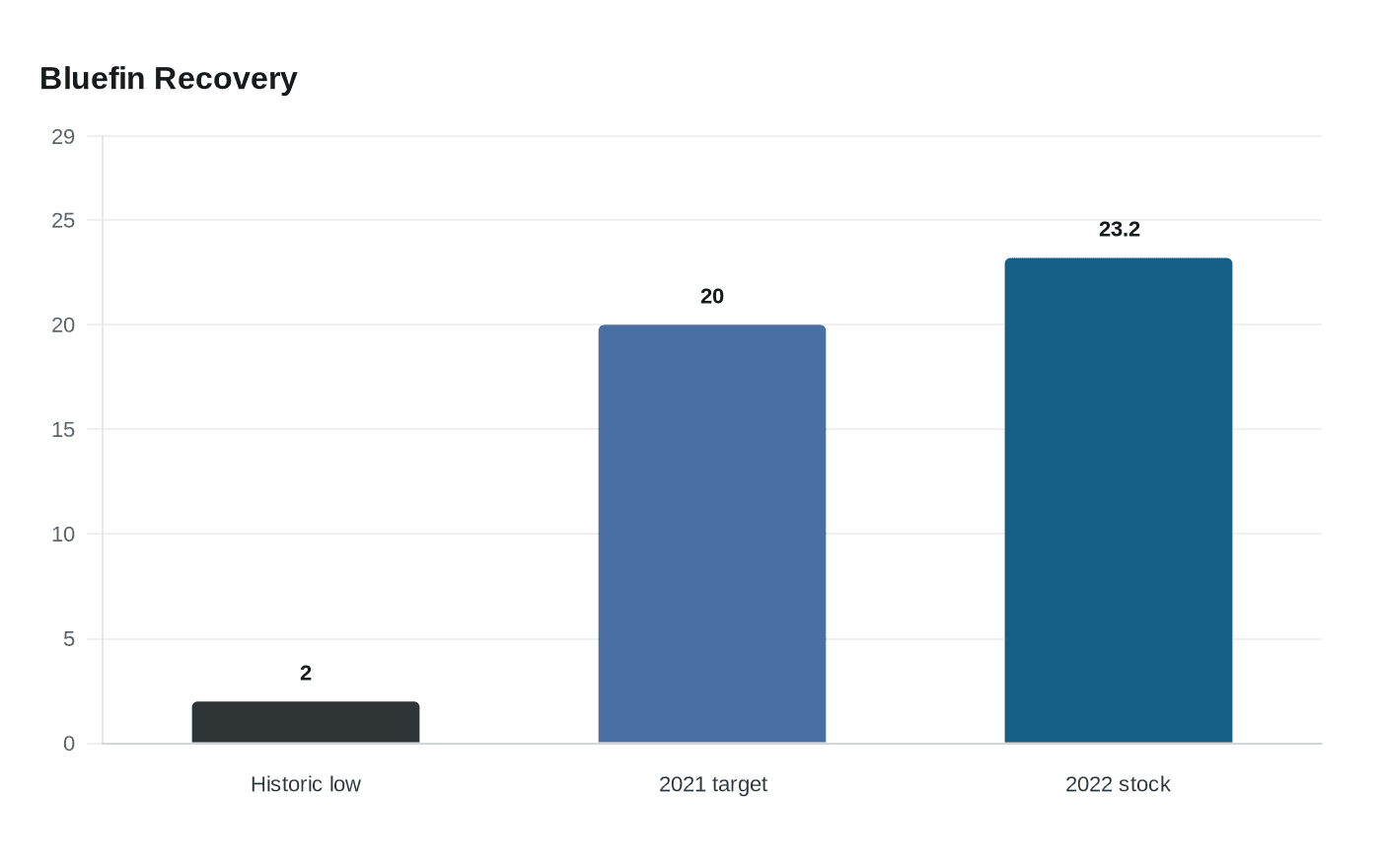
Pacific bluefin once sank to 2% of historic levels, but the stock reached 23.2% by 2022 and managers are now pushing a tighter harvest strategy.
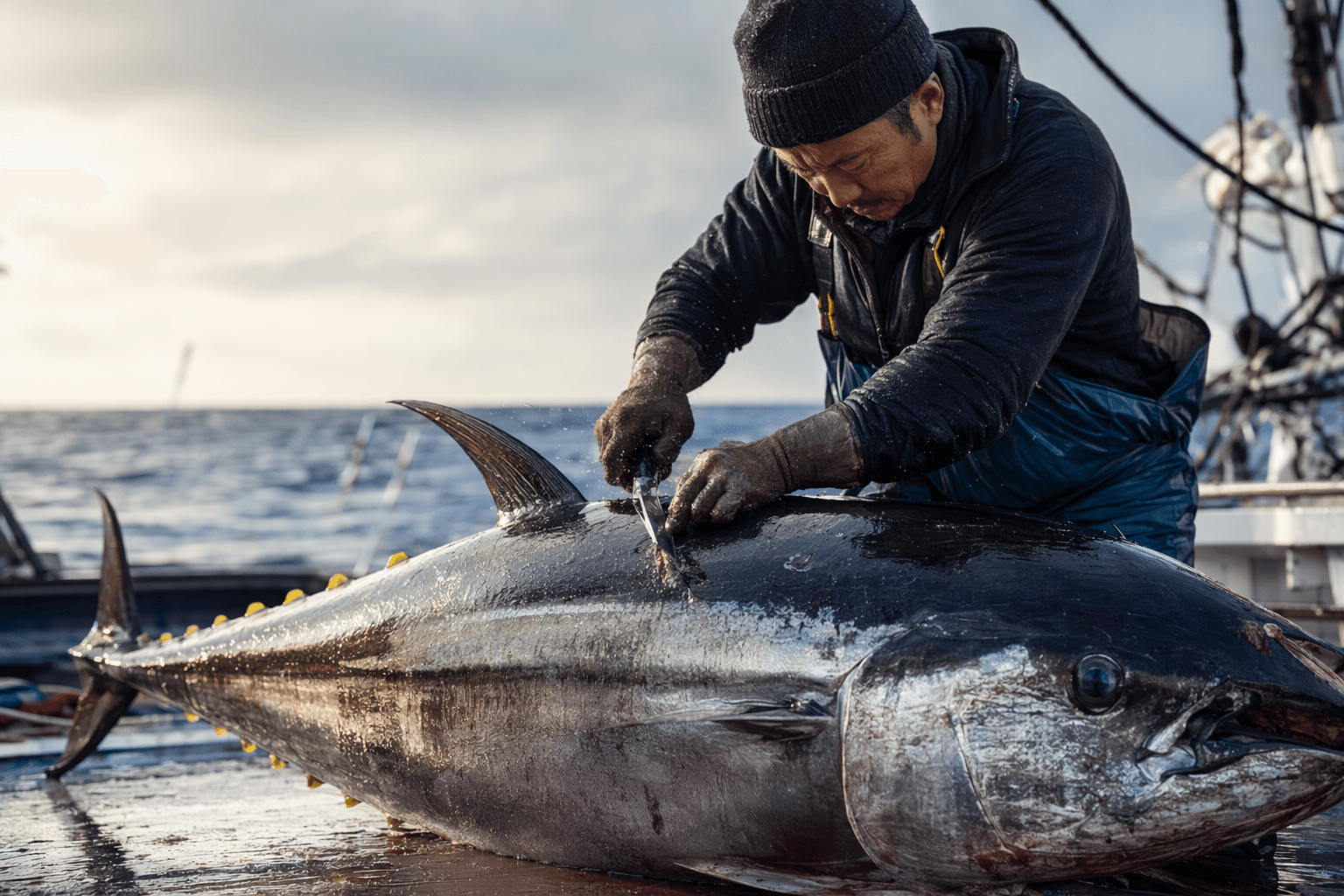
Pacific bluefin tuna once fell to just 2% of historic levels, a collapse that hit hard across the North Pacific and put one of the ocean’s most valuable tuna on the brink. Now the stock has rebounded enough that managers are talking less about emergency rescue and more about whether the recovery can hold under a tougher, long-term harvest plan.
A 2024 stock assessment found Pacific bluefin had climbed to 23.2% of unfished levels by 2022, or about 144,483 metric tons, after hitting a historic low around 2010. The fish had already cleared the second rebuilding target of 20% in 2021, a mark set in the 2017 rebuilding plan that aimed to return the stock to 20% of historic levels by 2034. NOAA Fisheries said in June 2024 the recovery had exceeded international targets a decade ahead of schedule, calling it a fisheries management success.
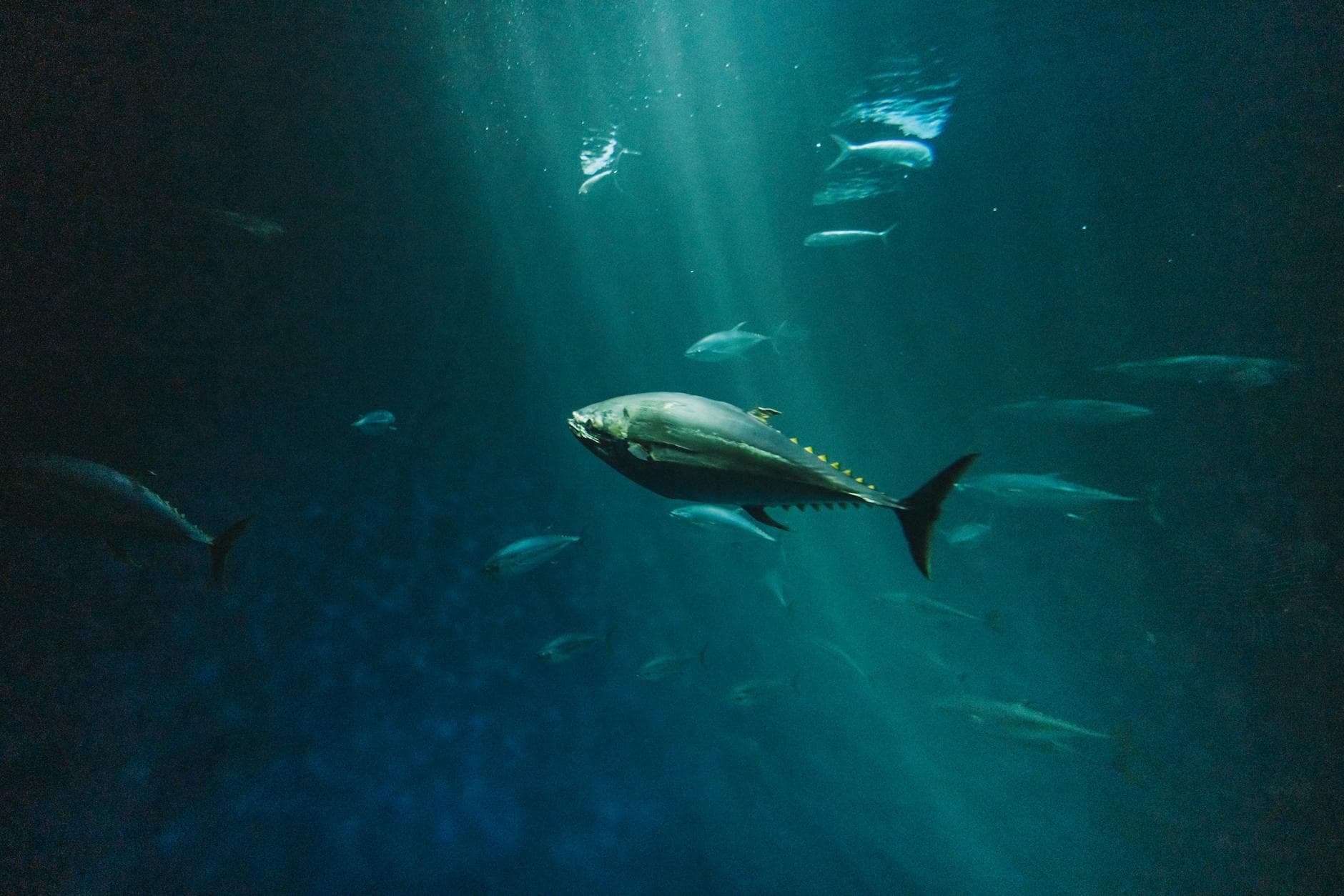
The species is managed as a single Pacific-wide stock even though the fishing pressure is split across two oceans’ worth of fleets. Pacific bluefin spawns mainly in the western North Pacific, especially around the Sea of Japan, then juveniles drift east across the Pacific before many return west to mature and spawn. That migration pattern ties together fleets from Japan, South Korea, Chinese Taipei, Mexico and the United States, which is why the fish has stayed under such close scrutiny.
Managers and conservation groups have credited the rebound to sustained cuts on small fish, especially ages 0 to 3, rather than a one-year fix. In July 2024, a global working group with representatives from the United States, Japan, Mexico, South Korea, Chinese Taipei and several Pacific island countries backed new recommendations and urged adoption of a comprehensive, precautionary long-term harvest strategy in 2025. The Western and Central Pacific Fisheries Commission said the rebuild was working better than expected, but it still called for stronger monitoring and a catch documentation scheme to keep illegal product out of markets.
The stakes remain more than regulatory. In early January 2026, a single Pacific bluefin sold for $3.2 million at auction in Tokyo, a reminder that this fish still carries huge cultural and commercial weight. World Tuna Day, observed each May 2 after a United Nations General Assembly decision in 2016, now lands in a different mood than it did when the species was far more depleted. The Food and Agriculture Organization said that by 2025, 90% to 95% of tuna landed at ports came from stocks that were not overfished and where overfishing was not occurring, a sign that science-based management can work. For Pacific bluefin, the question now is whether that rebound becomes durable enough to support future access, stable quotas and a longer run of tuna on the water.
This article was produced by Prism’s automated news system from verified source data, official records, and press releases, then run through automated quality and moderation checks before publishing. The system is built and supervised by the people who set the standards it runs under. Read our full AI policy.
Did this article answer your question?