Rory McIlroy Features Yellowfin Tuna Carpaccio at 2026 Masters Champions Dinner
Rory McIlroy chose a raw yellowfin tuna carpaccio directly from Chef Eric Ripert's Le Bernardin for the Masters Champions Dinner, and that fish is one you might have in your box right now.

Stand at the fish box after a successful offshore run with a bled, perfectly handled yellowfin, and the question almost answers itself: you don't want to cook this. You want to eat it raw, cold, and clean, with almost nothing between you and what the ocean just gave you. Rory McIlroy, reigning Masters champion, made that same call at the most exclusive dinner table in golf.
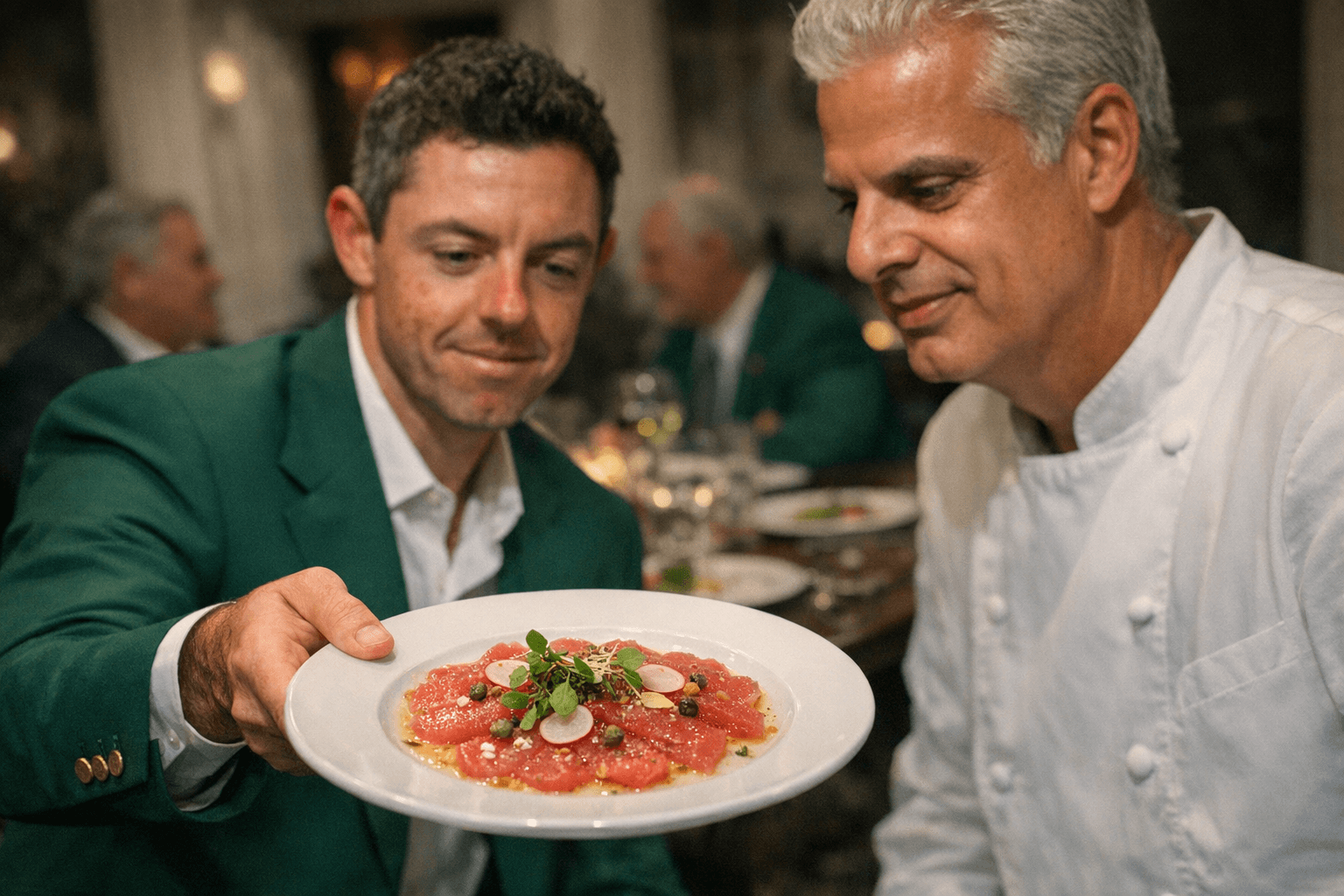
For the 2026 Masters Champions Dinner at Augusta National Golf Club, McIlroy built his first course around a yellowfin tuna carpaccio drawn directly from Chef Eric Ripert's Le Bernardin, the three-Michelin-starred French seafood restaurant on 51st Street in New York City, currently ranked No. 9 on North America's 50 Best Restaurants list. This wasn't a catered interpretation. Augusta National's culinary staff traveled to Le Bernardin to work with Ripert's kitchen and reproduce the dish precisely for the evening.
McIlroy described the dish when he revealed his menu: "It's a really thin slice of French baguette with a really thin slight of foie gras on top of that and tuna carpaccio. So raw slices of tuna on top of that." He added that "it's a really simple dish, but every time we go to that restaurant, that's the one thing that I have to have. I can sort of change up everything else in my order but that tuna carpaccio is the one that stays."
It opened a dinner that also included wagyu filet mignon, elk sliders, rock shrimp tempura, and sticky toffee pudding. But it's the yellowfin that puts the conversation squarely in angler territory.
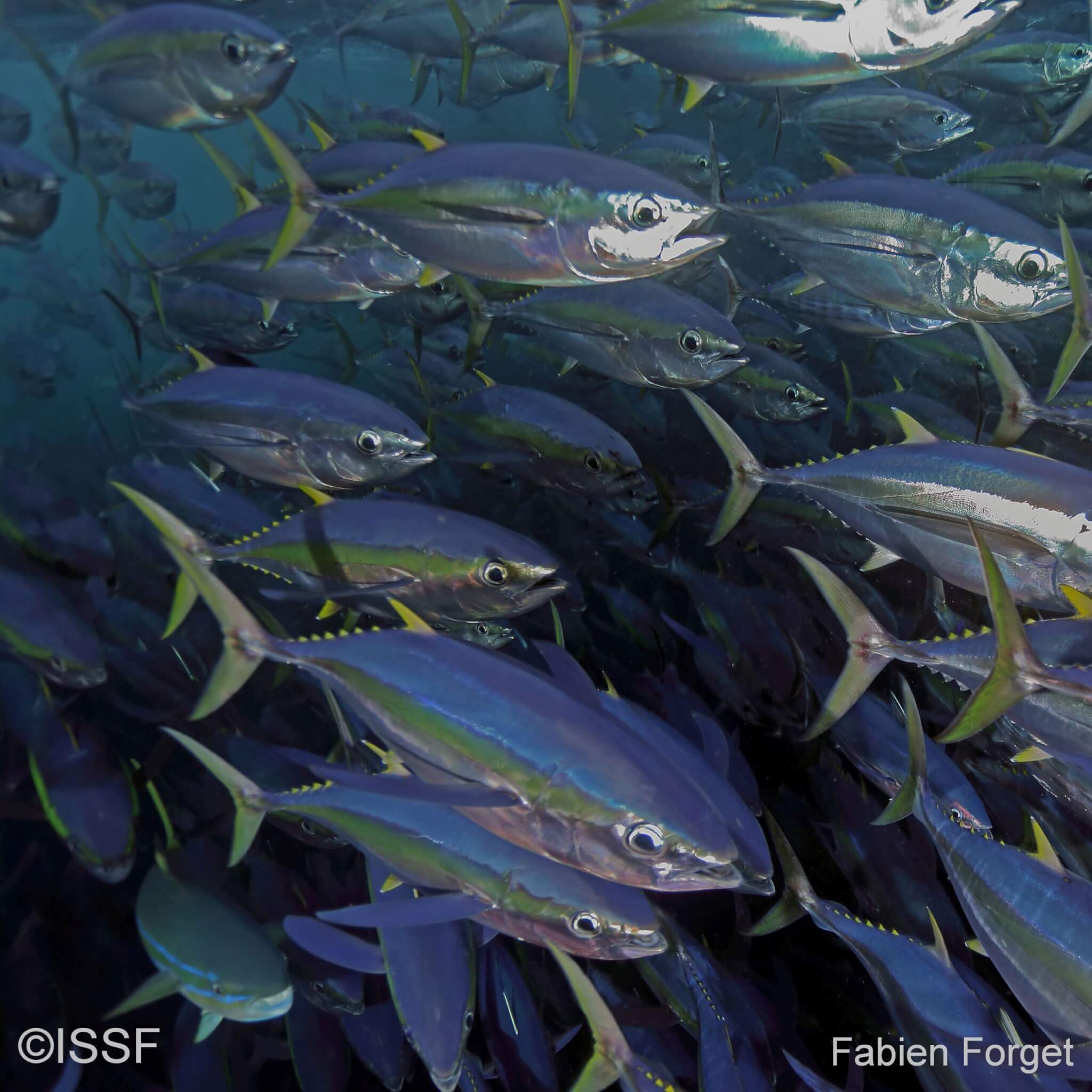
Here's the piece of food law most offshore fishermen don't know and every one of them should: yellowfin tuna (Thunnus albacares) is listed by name in the FDA Food Code as exempt from the parasite destruction requirement. That requirement, which typically mandates freezing fish to -4°F for seven days before raw consumption, governs nearly every other species served as sushi or sashimi. Yellowfin is carved out of it, along with bigeye and bluefin, because their biology and thermal habitat make parasite loads negligible. This is not a gray area. It is why every reputable sushi counter in the country serves yellowfin fresh, never previously frozen, without regulatory concern. The fish you bled at the rail this morning is, from a parasite standpoint, already cleared for carpaccio.
The exemption, however, carries one non-negotiable assumption: the fish was handled correctly after it came aboard. And that is where the real risk lives.
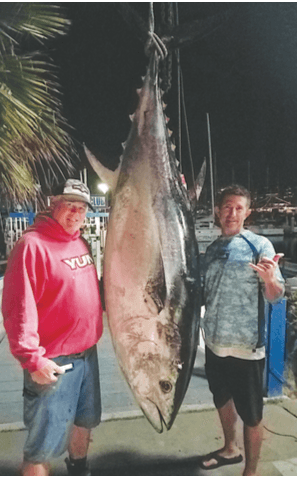
Scombroid histamine poisoning is the foodborne illness actually associated with tuna, and it has nothing to do with parasites. Histamine forms when bacteria act on histidine in the muscle tissue as the fish warms after death. Once formed, it cannot be cooked out, frozen out, or detected by smell or taste. The symptoms, which include flushing, hives, rapid heart rate, and nausea appearing within 30 minutes of a meal, are both miserable and entirely preventable. The standard that matters: get the fish below 40°F within two hours of landing and below 33°F within four. Dry ice on top of the fish does not accomplish this. A slush of ice and saltwater, which transfers thermal energy roughly 25 times faster than air, does. A 70-pound yellowfin sitting in a dry box on a warm offshore day with ice resting on its flanks is a textbook scombroid candidate, regardless of how pristine it looks. That same fish submerged in ice-water slush at 32°F is a restaurant-grade raw product two hours after the gaff.
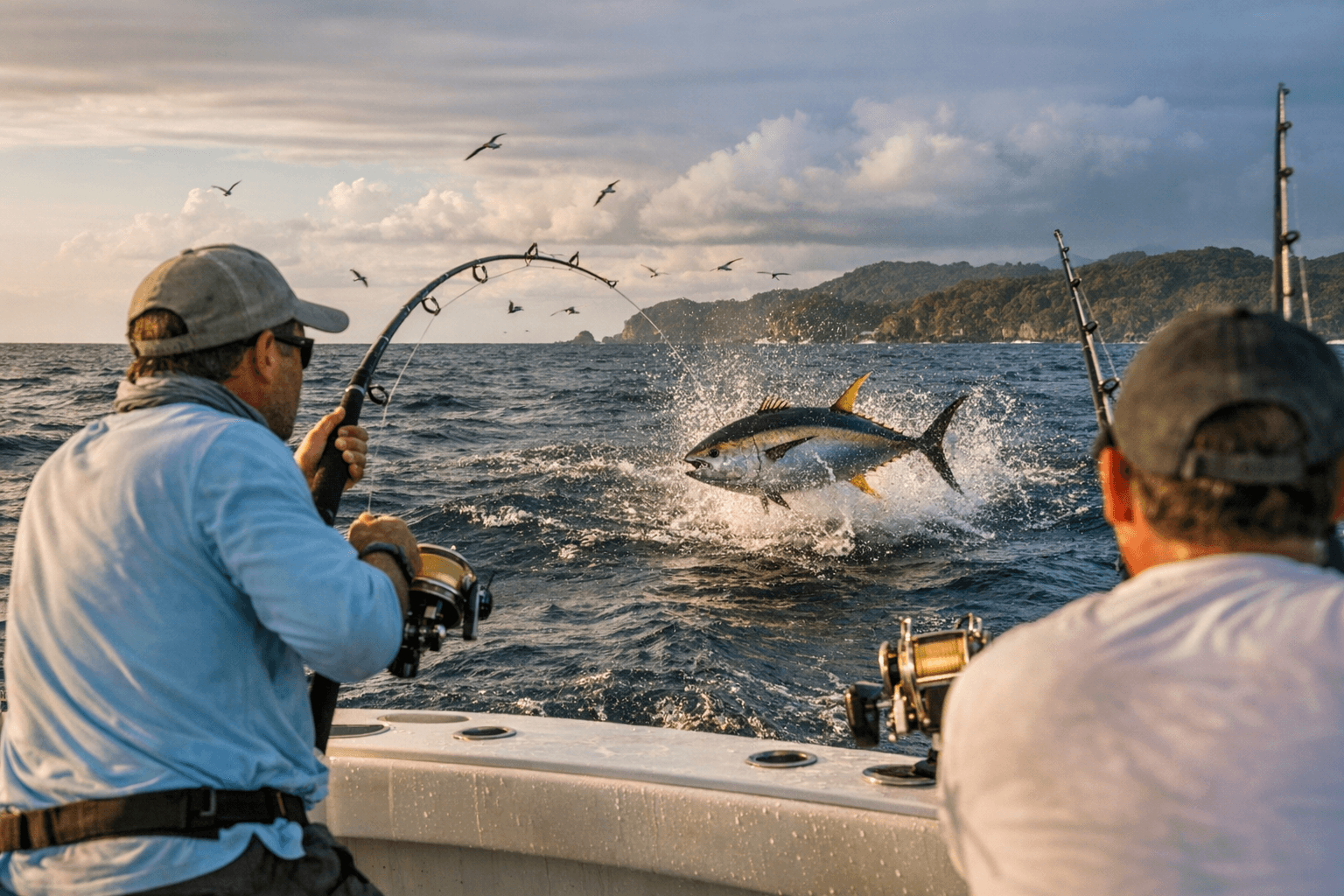
Bleeding at the rail is both a safety and quality step. Cut both gill arches immediately after spiking the fish and allow it to bleed out in seawater or a dedicated bleed bucket for three to five minutes before the slush box. A fish that fights for several minutes and goes directly to a dry box unbled will show visible blood streaks through the loin, elevated histamine, and a metallic flavor that no seasoning will cover. On fish over 80 pounds, pulling the gut cavity on the boat speeds core chilling significantly by removing the warm interior mass.
On the question of how long is too long: a properly handled loin, bled and chilled to 33°F within the window above, can be held for raw consumption up to 48 hours from harvest. Quality deteriorates noticeably after 24. The flesh softens, loses its translucency, and the flavor becomes less precise. For carpaccio specifically, where the technique depends entirely on the integrity of the raw muscle, 24 hours is the target and 48 is the outer limit. Beyond that, cook it.
Freezing is a different calculation. Because yellowfin doesn't require it for parasite safety, freezing is a quality compromise rather than a safety upgrade for raw preparations. Ice crystals rupture muscle cell walls during freezing, producing a texture that is softer and wetter after thaw, and that will not hold the thin, clean slices that carpaccio demands. A previously frozen loin does not perform like a fresh one. Where freezing earns its place is in preservation when raw consumption within 48 hours isn't realistic. Freeze at 0°F or below, and understand that it preserves a product for cooking, not raw service. Critically, freezing does not neutralize histamine that formed before the fish went in the freezer. If the cold chain was broken before freezing, freezing does not fix it.
For the preparation itself, the Le Bernardin approach McIlroy described is as accessible as it is elegant. Remove the bloodline cleanly from the loin before slicing; that dark central strip carries a strong flavor that will dominate a delicate raw plate. Chill the loin in the freezer for 15 to 20 minutes before cutting to firm the muscle. Work with the sharpest knife available, cutting at a slight angle against the grain in slices no thicker than an eighth of an inch. Pre-chill the serving plate. The foie gras and baguette base of the Le Bernardin version is the chef's signature; for a boat-to-table preparation without it, the seasoning protocol that lets the fish lead is a light drizzle of quality olive oil, a few flakes of sea salt, a squeeze of fresh lemon or yuzu, and thinly sliced chives. A scrape of fresh ginger and a small drop of soy work well against yellowfin's natural mild sweetness without masking it.
One advisory that the FDA parasite exemption does not touch: mercury. Yellowfin is an apex pelagic predator and accumulates methylmercury through bioaccumulation across its life. The FDA and EPA both advise limiting large tuna consumption to roughly one serving per week for healthy adults, with additional caution for pregnant women, nursing mothers, and young children. A single carpaccio plate falls well within that window for most people. It's simply worth knowing the guideline before raw yellowfin becomes a standing weekly habit.
When Augusta National's kitchen replicated a three-Michelin-starred raw tuna dish for the Masters Champions Dinner at McIlroy's request, it put yellowfin in front of every mainstream sports audience that follows golf. The fish has always been this good. The handling is what earns it.
Know something we missed? Have a correction or additional information?
Submit a Tip