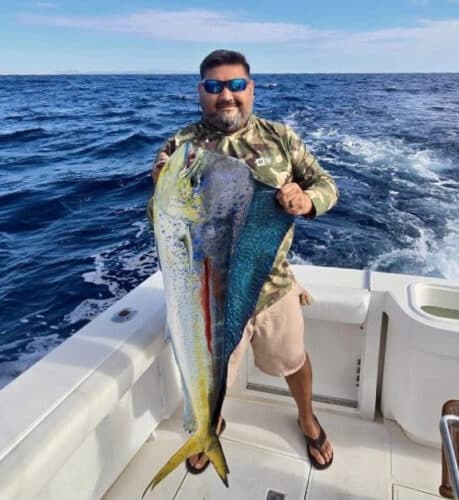
South Jersey captains report first bluefin tuna offshore this season
South Jersey captains are seeing the first offshore bluefin, and the timing matches NOAA’s new two-fish private limit for 2026.
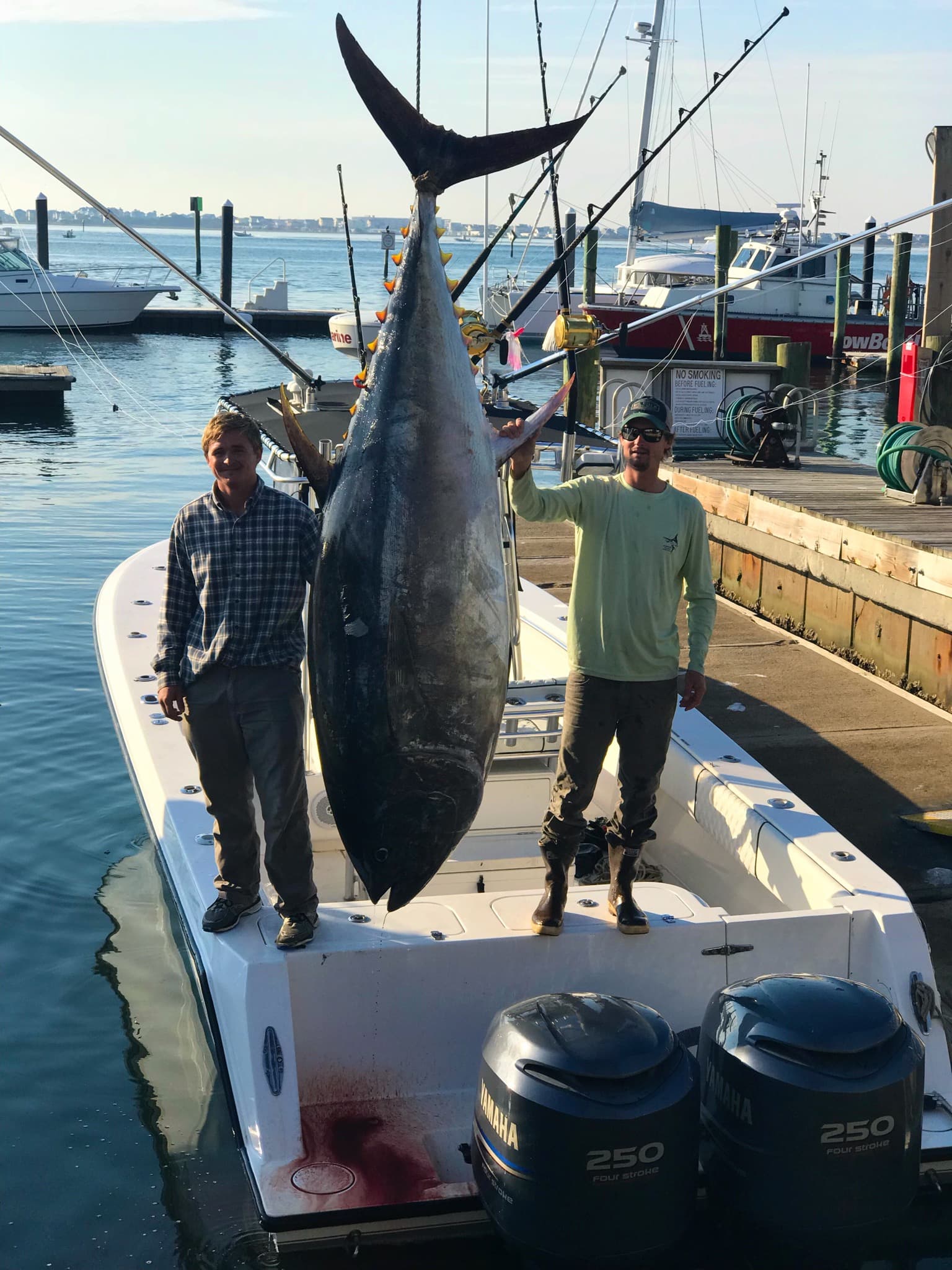
South Jersey captains are starting to report the season’s first bluefin tuna offshore, the kind of signal that turns a scouting trip into a real tuna run. The timing lines up with NOAA Fisheries’ 2026 retention change, which took effect June 1 and gives private HMS angling permit holders two bluefin per vessel per day or trip.
That matters because the numbers now fit the kind of early-season decision every crew has to make. Charter and headboat vessels can keep three bluefin per vessel, headboats can keep six, and all of it applies to fish from 27 inches to less than 73 inches curved fork length, with only one large school or small medium bluefin allowed. NOAA says western Atlantic bluefin tuna are sustainably managed under a rebuilding plan and are not subject to overfishing, which is why these first reports carry real weight for boats weighing a long run offshore.
The bite is not wide open yet, but the pattern is starting to show itself in a way captains can use. Once the first fish are reported offshore of South Jersey, crews usually stop treating the grounds like a blind search and start planning for targeted tuna trips, heavier gear, and more deliberate spread work. That means checking range, fuel burn, and whether the boat is set up to troll with confidence instead of simply poking around and hoping to get lucky.

Hudson Canyon is part of that picture too. NOAA describes it as the largest underwater canyon along the U.S. Atlantic Coast, about 100 miles off New York and New Jersey, roughly 2 to 2.5 miles deep and as much as 7.5 miles wide. It is also habitat for protected and sensitive species including sperm whales, sea turtles and deep sea corals, which makes the canyon grounds relevant on more than one level when offshore life starts to stack up.
The shark traffic only adds to the sense that the offshore scene is waking up. OCEARCH’s Shark Tracker has shown movements in real time, and recent spring reporting noted tagged great whites off New Jersey, including Nori, Quint, Cross and Bella. Bella, a 10-foot female, had traveled nearly 7,000 miles since being tagged last July and was described as the fourth OCEARCH-tagged great white to ping off the New Jersey coast during the spring migration.

For tuna crews, the shark sighting is context, not the headline. The real story is that South Jersey is entering that first serious bluefin phase, when the difference between a blip and a dependable start shows up in how hard captains are willing to push offshore and how quickly they rig for a real bite.
This article was produced by Prism’s automated news system from verified source data, official records, and press releases, then run through automated quality and moderation checks before publishing. The system is built and supervised by the people who set the standards it runs under. Read our full AI policy.
Did this article answer your question?