Five Vintage Synths You Can Still Buy on a Budget
Five 1980s classics still slip under collector panic pricing, but the real bargains are the serviced units with clean sliders, healthy batteries, and no voice-chip surprises.
Roland Juno-6
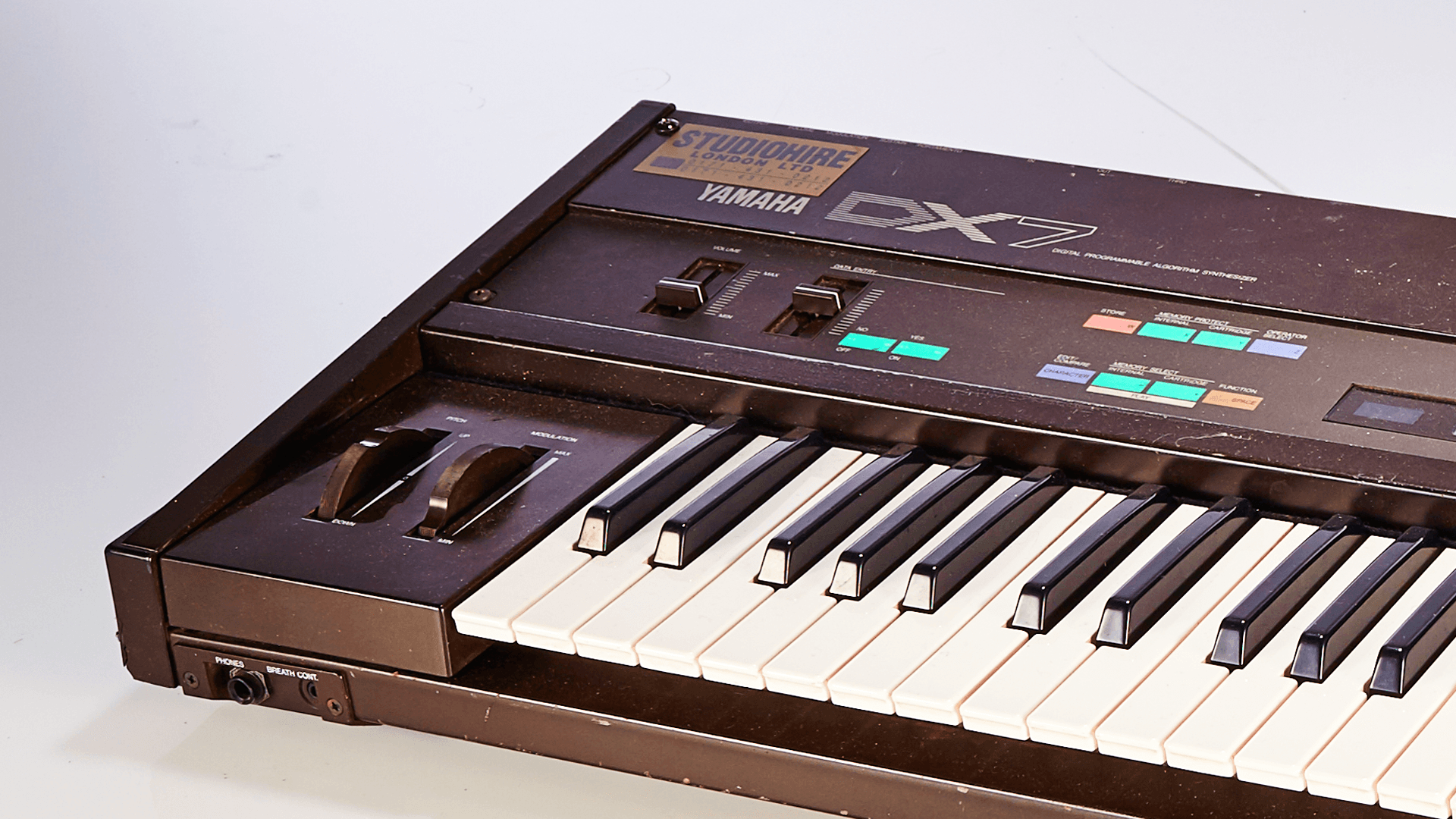
Some of these old machines are still holiday-money buys, not mortgage money, and that is the lens MusicRadar used when it compared vintage synth shopping to a weekend away in Magaluf. The Juno-6 makes the point cleanly: Roland says it launched in May 1982 as the first synth in the Juno family, and it set the tone for the line with the stable, hands-on DCO approach that made the JUNO sound so usable in the first place.
What the Juno-6 does well is immediate, musical analog work. Syntaur describes it as a 6-voice analog polysynth with no memory presets but with an arpeggiator, which is exactly why it rewards players who like to shape sounds at the panel instead of paging through menus. Current used listings for working and restored examples are clustering roughly from $1,350 to $2,695, so the smart buy is the one that looks honest, powers cleanly, and does not need a fresh hunt for rare cosmetics before it can earn studio space.
Roland Juno-106
The Juno-106 is the family name everybody knows, and Roland says it was the third release in the series, introduced in 1984 as an affordable polysynth for the masses. Reverb backs up the essentials, listing it as a 61-key, six-voice machine with classic analog sound, strong programmability, MIDI, and the kind of chorus-fattened pads and basses that still make it a studio staple.
This is also the model where the maintenance bill can change the whole deal. Reverb’s maintenance guide singles out the resin-covered voice chips as the common failure point, and the current market reflects that split, with listings around $435 for rougher examples and about $2,000 to $3,200 for serviced or near-mint units. Buy the 106 when the seller can prove the voices are solid, the chips have been addressed, and the price already accounts for any slider, chorus, or power-supply work, because a cheap 106 stops being cheap the moment it becomes a repair queue.
Yamaha DX7
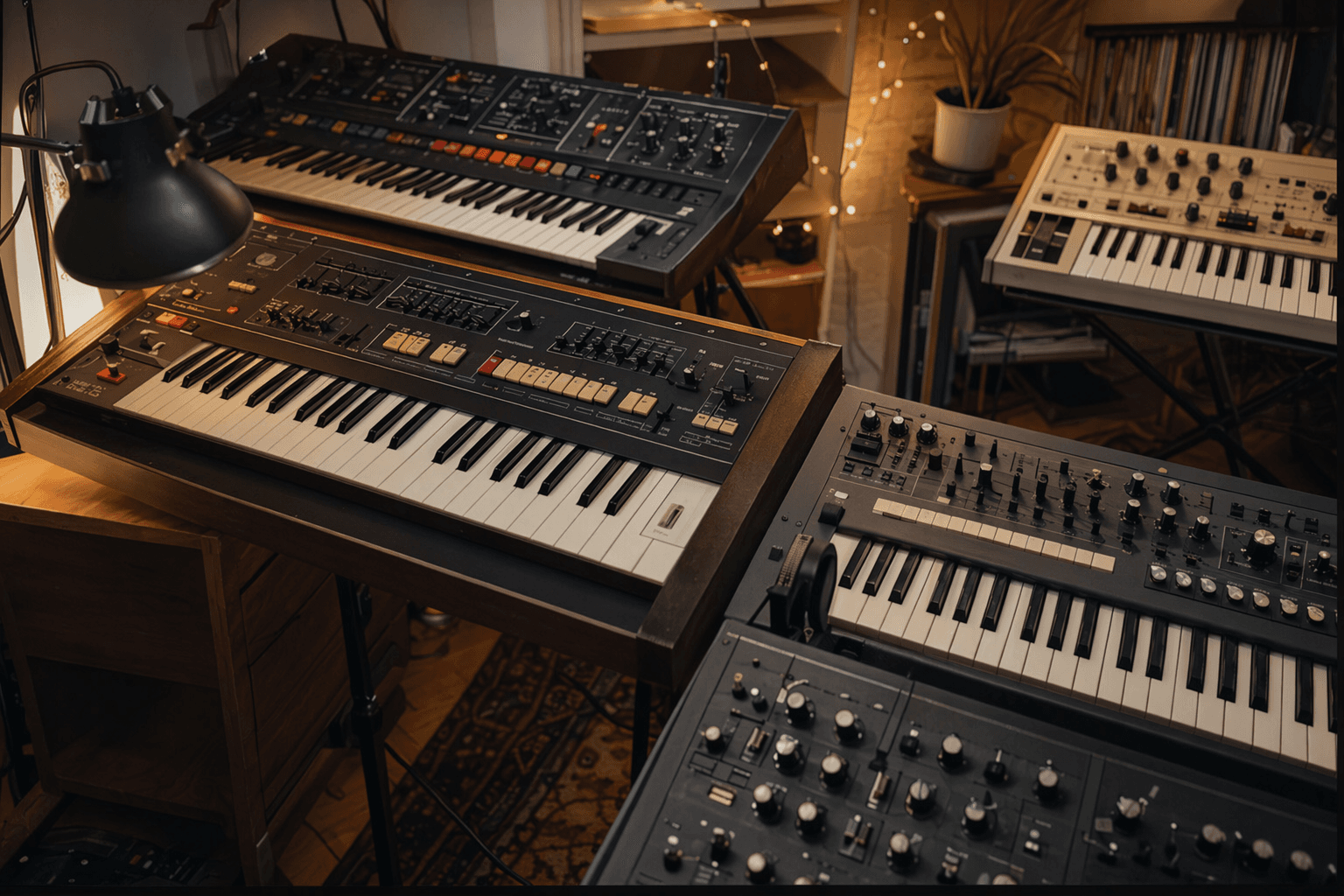
Yamaha’s DX7 changed the conversation when it arrived in 1983, and Yamaha still describes it as the digital FM instrument that revolutionized the global scene. Reverb calls it a 61-key, 16-voice FM synthesizer and a cornerstone of digital FM synthesis, which is why it remains the straightest path to the glassy electric pianos, bells, basses, and precision textures that defined so much of the decade’s record-making.
It is still one of the better bargains in the used market, with current listings running from about $270 for as-is units to roughly $830 for tested-working or serviced examples. The issue to watch is not just age, but memory and control wear: forum advice around the DX7 still circles battery-backup problems, internal RAM warnings, and battered panel buttons, so this is the buy for someone who wants a real FM workhorse and is willing to treat the battery and switches as part of ownership, not a surprise afterthought.
Casio CZ-101
Casio’s CZ-101 is the sleeper that keeps rewarding people who like weird sounds at low prices. Casio says it was the company’s first synthesizer and that its PD, or Phase Distortion, engine made original sound creation easier for a broader audience, while Reverb lists it as a mid-1980s, 8-voice mini-key synth that still has a real foothold with collectors.
That footprint keeps it in the genuine budget lane, with fixer-upper listings around $170 and working examples rising to roughly $732. The trap is power: Casio users and repair notes repeatedly warn about reverse-polarity adapters and power-board damage, so a CZ-101 only makes sense if you confirm the correct supply, inspect the power section, and avoid any unit that looks like it has already been cooked by the wrong wall wart.
Korg DW-8000
Korg’s DW-8000 is the hybrid that quietly earns studio space. Korg says the 1985 design combined digital wavetables with rich analog filters and became a cult favorite, and Reverb’s model page adds the practical detail collectors care about: 8-voice polyphony, onboard digital delay, an arpeggiator, 1024 presets, and a sound engine that moves easily between layered pads, split patches, and monophonic weight.
Used prices still look sane compared with the marquee Roland names, with current listings roughly around $450 to $650 for working instruments and the EX-8000 rack version often appearing in the same conversation. The common faults are more nuisance than catastrophe, especially dirt-sensitive buttons, tired tact switches, and the battery side of the instrument, so the best buy is the one with responsive front-panel controls, a documented battery replacement, and no hidden keybed drama.
The real lesson across all five is simple: the bargain is not just the sticker price, it is the machine that gets you making music immediately and does not shove you straight into a restoration bill. In a market where active listings and price guides are still moving on Juno, DX7, DW-8000, and CZ-101 pages, patience and condition matter more than chasing the lowest number on the screen.
This article was produced by Prism’s automated news system from verified source data, official records, and press releases, then run through automated quality and moderation checks before publishing. The system is built and supervised by the people who set the standards it runs under. Read our full AI policy.
Did this article answer your question?