Mike Dean Hails Rare PPG Wave 2.3 as Best Reverb Buy
Mike Dean’s cleaned-up PPG Wave 2.3 turned a rare 1984 wavetable synth into his best Reverb buy, and the market still treats it like a blue-chip machine.
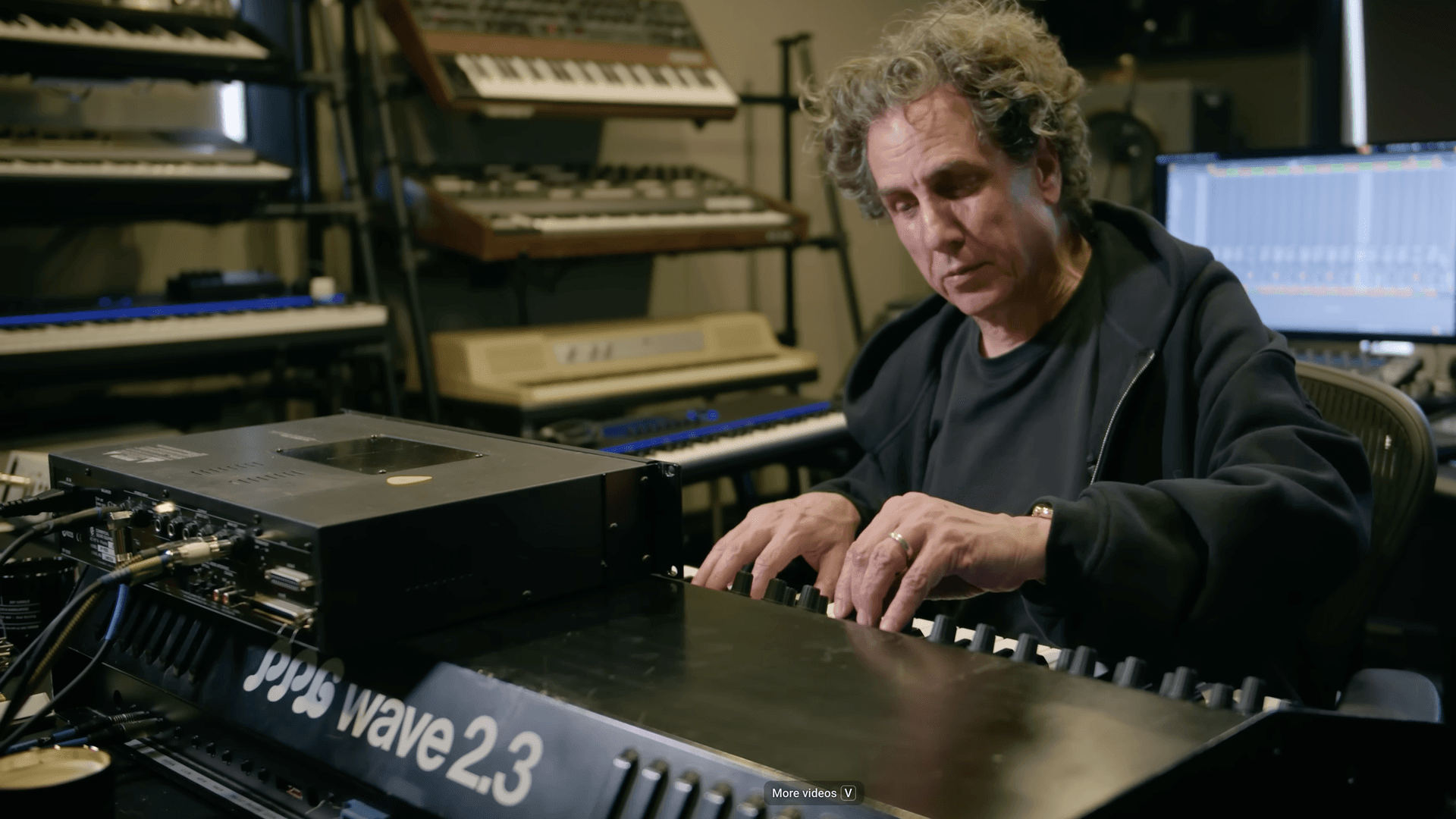
Mike Dean did not come to the PPG Wave 2.3 as a trophy hunt. He passed on it at first because it is a digital synth with analog filters, then went looking for the cleanest example he could find, had it serviced and dialed in, and ended up calling it the best piece of gear he has ever bought on Reverb.
That matters because Dean already owns the kind of iron most collectors only see in glossy photos, including an Oberheim OB-X, a Memorymoog, and a Yamaha CS-80 tied to Michael Jackson’s Thriller-era sound. The PPG still stood out. It is not another creamy analog poly with a bigger filter section or a fatter chorus. It is a 1984 machine from Wolfgang Palm’s Palm Products GmbH line, part of a Wave series that ran from 1981 to 1987, and one of the earliest synths to make wavetable scanning feel like a finished musical language instead of a laboratory trick.
The Wave 2.3’s appeal sits in the exact things analog classics do not do. Its 12-bit architecture, MIDI, built-in sequencer and 24dB/octave analog low-pass filter give it a bright, gritty, slightly broken edge that feels alive in a way a straight voltage-controlled polysynth does not. The sound moves in a way that is more mechanical than an OB-X and more unstable than a Memorymoog, which is exactly why later wavetable instruments spent decades trying to catch up to it. For players who want the real thing, that low-resolution shimmer and oddball bite are the point.
Scarcity has turned that sound into collector bait. Production is often estimated at about 300 Wave 2.2 units and about 700 Wave 2.3 units, a tiny run by keyboard standards and one reason clean examples command serious attention. The PPG Wave is also grouped with the Fairlight CMI and NED Synclavier as one of the early big three computer-based musical instruments, which keeps it lodged firmly in the history books as well as the rack room. After PPG’s demise in 1987, Waldorf carried the wavetable legacy forward, and that lineage still gives modern players a path to the sound without chasing an original 1984 unit.
Dean’s endorsement adds another layer of fuel. When a producer with a collection like that calls a serviced PPG his best Reverb buy, it is not gear voyeurism. It is a market signal. The Wave 2.3 has moved past novelty and into blue-chip territory, where the combination of rarity, history and a sound that still cuts differently from the analog canon keeps demand high.
This article was produced by Prism’s automated news system from verified source data, official records, and press releases, then run through automated quality and moderation checks before publishing. The system is built and supervised by the people who set the standards it runs under. Read our full AI policy.
Did this article answer your question?