How The Human League’s Don’t You Want Me Redefined Synth-Pop Production
One LM-1, a few lean synth parts, and ruthless arrangement turned a fourth single into a chart-saving anthem that still sounds bigger than it was.
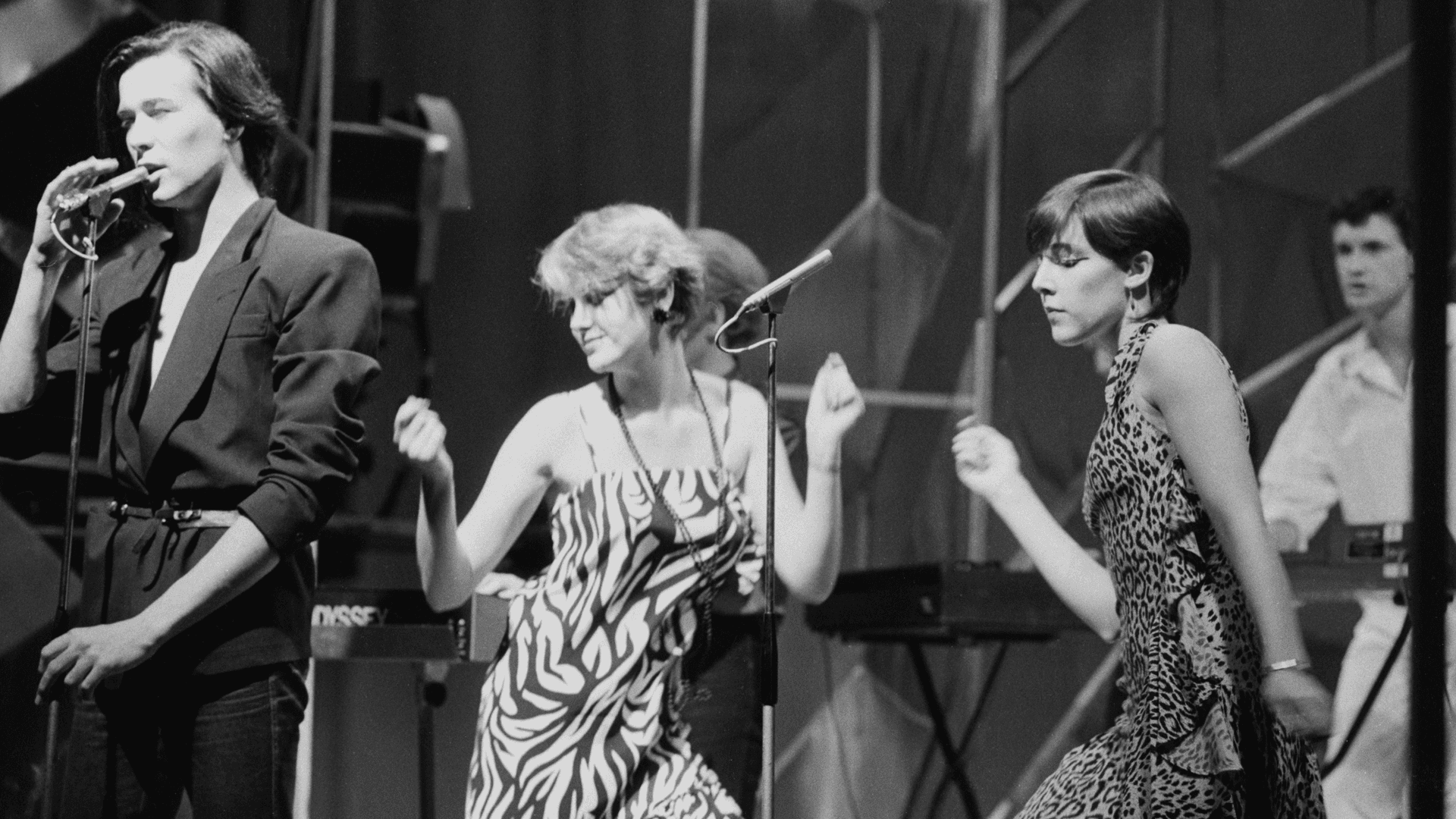
Why “Don’t You Want Me” still works
“Don’t You Want Me” sounds like a masterclass in how little gear you actually need when every part has a job. The Human League turned a fourth single from Dare into their first and only UK No. 1, a five-week chart topper, the UK Christmas No. 1 of 1981, and the year’s biggest-selling single, then took it to No. 1 on the Billboard Hot 100 for three weeks. That kind of reach is not an accident, and it is not nostalgia doing the heavy lifting. It is arrangement, machine choice, and restraint.
The record also matters because it was a pivot point in pop production. Official Charts notes that Phil Oakey did not even think the song was strong enough to issue as a single, worrying that releasing a fourth track from the album might feel like a rip-off. Instead, the track became the one that helped define the band’s commercial peak, pushed Dare to No. 1 on the UK Albums Chart, and gave the BPI triple-platinum album a signature hit that still carries the whole era on its back.
The Linn LM-1 changed the whole session
The key production shift was not a flashy synth upgrade. During the Dare sessions, the band initially used analogue synthesizers to fake drum sounds, then one of the first Linn LM-1 drum machines in the UK arrived and changed the direction of the record. That mattered because the LM-1, released in 1980, was the first programmable drum machine to play samples of real drums, so the rhythm stopped sounding like an imitation of percussion and started sounding like a new kind of pop realism.
That difference is the reason the track feels so clean and so durable. The LM-1 gave Martin Rushent a harder-edged, more believable backbeat without the slop that can make early electronic pop sound tentative. If you are trying to recreate the feel now, do not chase novelty. Chase the machine-like certainty of a sampled kick and snare, then keep the programming tight enough that the groove never sounds humanized into mush.
A practical setup can be surprisingly modest:
- Use any drum machine, sampler, or DAW kit with dry, punchy one-shot drums.
- Pick a kick with a short tail and a snare that has snap, not reverb.
- Keep the hats crisp and controlled, not washy.
- Quantize tightly, then resist the urge to humanize every hit.
The arrangement is the real hook
What makes “Don’t You Want Me” stick is how little clutter it tolerates. The song was inspired by a photo-story in a magazine, and that dramatic setup shows up in the way the record plays like a conversation, not just a singalong. Philip Oakey’s vocal sits against Joanne Catherall and Susan Ann Sulley, and the arrangement turns that back-and-forth into the core drama, so the synths never have to over-explain themselves.
Jo Callis, Philip Oakey, and Philip Adrian Wright are credited as writers, with Martin Rushent producing, and that team understood a useful rule: a strong timbre plus a memorable rhythmic cell beats a wall of parts every time. Oakey’s own point about the song, as relayed in the coverage, is the one to keep in your head when you are programming your own version. A single finger movement can be enough if the sound is right. That is not a cute slogan. It is a production decision.
If you are rebuilding the track on gear you already own, focus on voice behavior rather than gear prestige:
- Use one clean lead voice with a simple waveform, a fast attack, and short decay.
- Keep the bass part narrow and repetitive, with no fancy filter choreography.
- Let the chordal material stay dry and present, so the vocal story stays in front.
- Avoid thick chorus or huge stereo spread unless it is doing a specific job.
The point is not to copy the exact synth models, because the record’s power comes from how sparingly those voices are used. The arrangement leaves air around the groove, and that air is part of the hook.
How to approximate the sound without buying a museum piece
You do not need a rare collector’s setup to get close to the attitude of Dare. A modern drum machine, a basic monosynth, and one decent poly or plugin patch can cover the territory if you keep the palette disciplined. Start with the rhythm section, because that is where the album’s identity lives, then build upward with one bass part, one lead, and maybe one pad or stab if the song absolutely needs it.
A good working recipe looks like this:
1. Program the drum pattern first and strip out anything that feels busy.
2. Add a bass line that locks to the kick instead of dancing around it.
3. Write a lead line that is easy enough to play with one hand.
4. Bring in backing voices only when the lyric needs the lift.
5. Stop adding parts as soon as the mix starts sounding “produced.”
That last step is the one people ignore. “Don’t You Want Me” feels expensive because it is selective, not because it is crowded.
Why the stakes were bigger than one hit single
There is also a real business story underneath the hit. Sound On Sound notes that when Oakey took over The Human League name after the split, he inherited the debts and contractual obligations to Virgin Records and to a concert promoter who was threatening legal action if a tour did not go ahead. In that context, the success of “Don’t You Want Me” was not just a career peak, it was a financial stabilizer for the band and a relief valve for the label.
Official Charts goes even further, describing the song’s path as an extraordinary case of stubbornness being proved wrong, a worldwide chart-topper that helped save the record label as a bonus. That is why the song has lasted in producer circles as more than a nostalgia artifact. BBC later called Dare a soundtrack to a generation, and that description still fits because the album became a reference point almost immediately, not decades later. Martin Rushent’s later work on a Love & Dancing-style remix for the album’s 30th anniversary only reinforces the same point: this is a record producers still treat like a technical document.
The lasting lesson
“Don’t You Want Me” did not redefine synth-pop by stacking up more machines. It did it by making one of the first UK LM-1s, a handful of spare synth parts, and a smart vocal arrangement sound inevitable. If you want the lesson in one line, it is this: when the drum machine is right, the voices are disciplined, and the song knows when to stop, the whole track can feel larger than the hardware that made it.
This article was produced by Prism’s automated news system from verified source data, official records, and press releases, then run through automated quality and moderation checks before publishing. The system is built and supervised by the people who set the standards it runs under. Read our full AI policy.
Did this article answer your question?