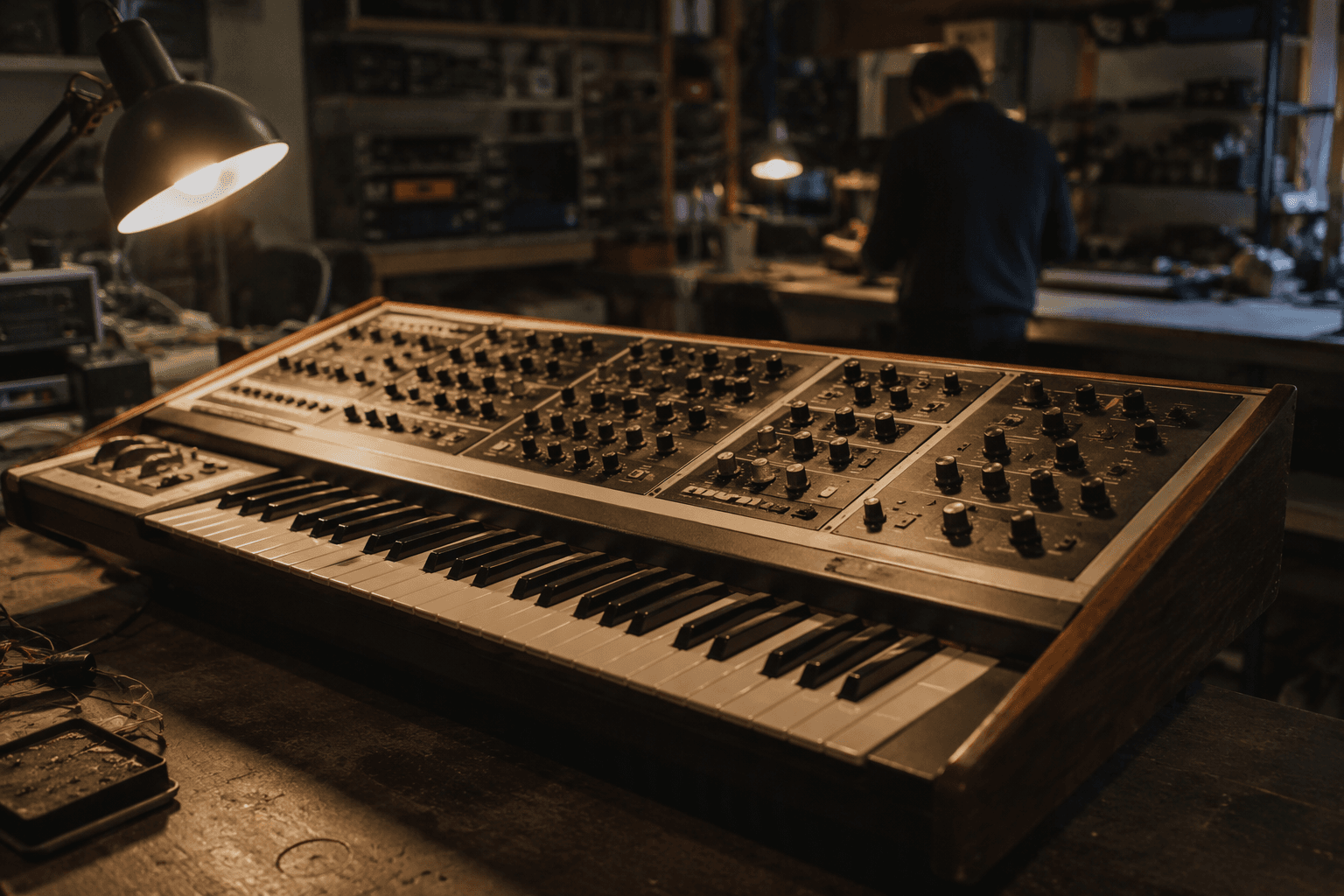
Fresh patches revive Oberheim Matrix-6, Ensoniq ESQ-1, and Yamaha DX7-II
Fresh patch banks give the Matrix-6, ESQ-1, and DX7-II a fast route back into use, with the best payoffs in pads, hybrid grit, and classic electric pianos.
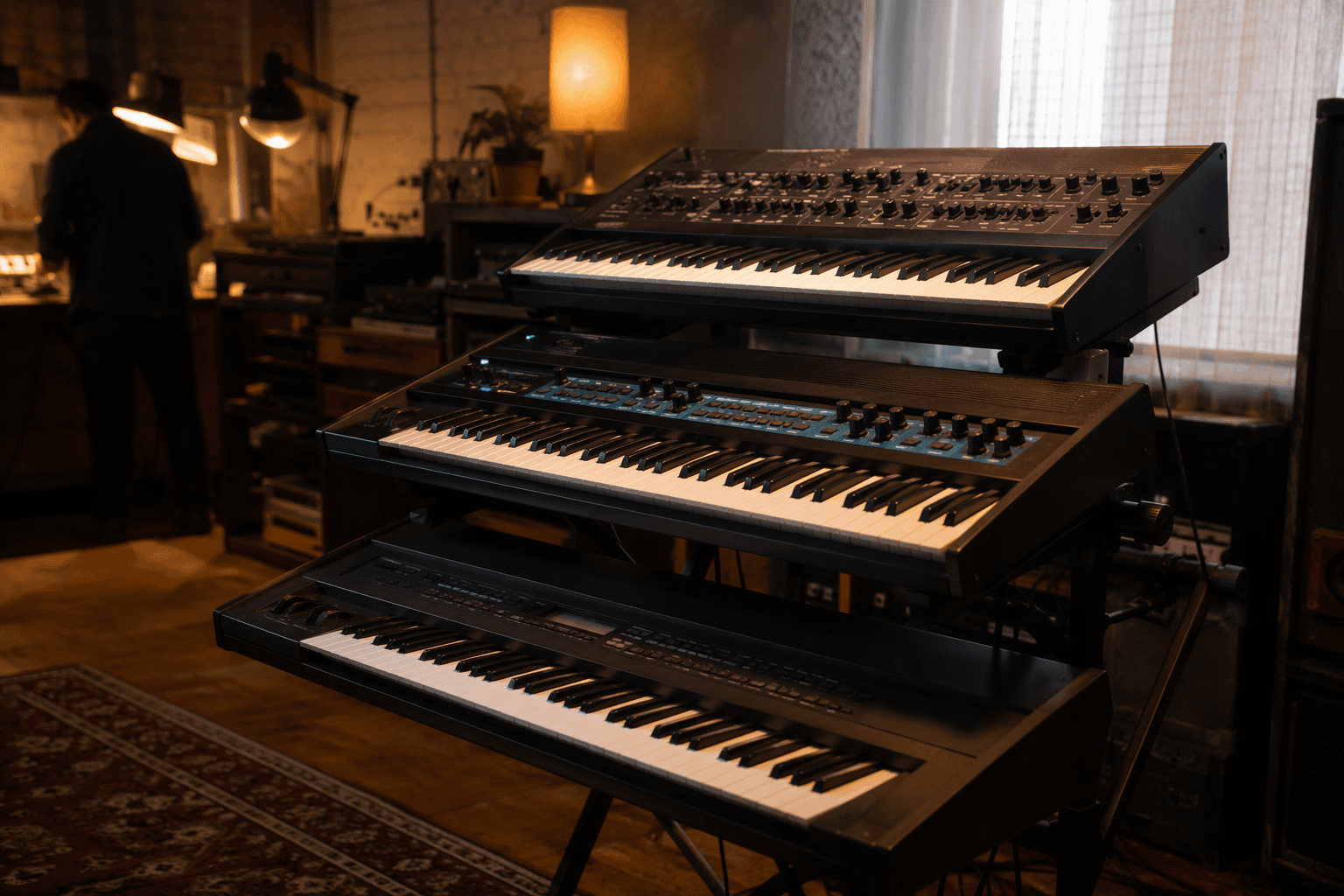
Fresh patch banks are the shortest route back into the music for a Matrix-6, ESQ-1, or DX7-II. New sounds are available for the Matrix-6, free sounds for the Mk.II DX7 via Gearnews, and Cherry Audio’s ESQ-1, and the practical question is simple: which bank gives you the fastest payoff on each machine? Start with the sounds that show off each synth’s core voice, then save the deep programming sessions for later.
Oberheim Matrix-6: start with the banks that show off its six voices
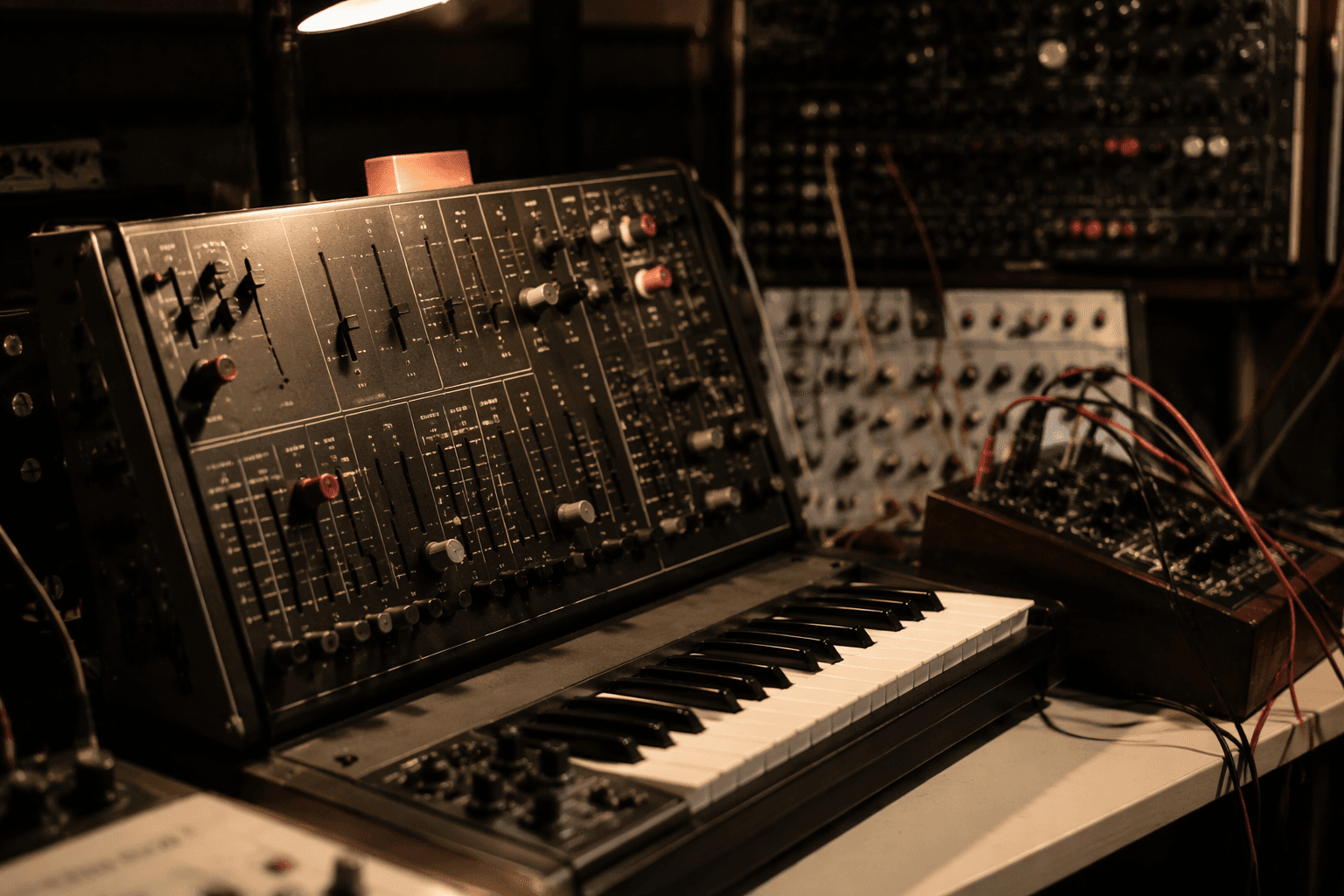
The Oberheim Matrix-6 is a 6-voice analog synthesizer released in 1986, and Coffee Shopped’s basic spec listing is a reminder of why good patch design matters so much here. On a machine like this, a strong bank can immediately reveal the width of the filter, the depth of the modulation, and the way the synth handles dense pads without forcing you to build everything from scratch.
For a first listen, load the banks that emphasize evolving pads and punchy basses. Those are the sounds that make the Matrix-6 earn its place on the stand, because they let you hear the analog character and digitally controlled flexibility together instead of buried under factory-era programming. If you are trying to decide whether a Matrix-6 still belongs in active rotation or just in storage, those are the patches that answer the question fastest.
The Matrix-6 resource trail is healthy enough that you are not limited to one source. Preset Patch and Kid Nepro both turn up as places where Matrix-6 sound resources circulate if you want more than one flavor of the instrument’s voice. For owners and restorers, that makes the patch hunt useful in a very practical way: you can compare libraries, back up your own working set, and quickly tell whether a synth is responding the way it should across its range.
ESQ-1: use freeware to check the hybrid engine before you get lost in menus
The ESQ-1 occupies a different lane in vintage-synth history. Its hybrid digital oscillators and analog-style workflow give it a gritty personality that still lands hard, and that is why a good preset bank can be more than a convenience. It can also be a diagnostic tool, especially if you are bringing older Ensoniq gear back to life.
A Transoniq Hacker PDF names Jim Johnson as someone who sold ESQ-1 patches to Ensoniq, and cartridges and patch libraries were already part of the instrument’s ecosystem when the machine was current. The ESQ-1 rewards careful patch management. Before you load anything new, back up your own sounds and preserve any cartridge content you care about, since the instrument’s patch culture has always been tied to saving and swapping banks.
The best ESQ-1 freebies to start with are the patches that make the instrument’s hybrid edge obvious: keys, basses, and gritty textures. If you are testing an old unit, those sounds make it easier to hear whether the synth is tracking properly and whether the tonal range still behaves across the keyboard. Cherry Audio’s ESQ-1 also broadens the value of these libraries, because patch sets aimed at that version can be useful if you work both on hardware and in software.
DX7-II: begin with the classic electric pianos
The Yamaha DX7-II, or Mk.II DX7, puts FM history to immediate practical use. Start with the factory set before exploring deeper banks. SynthMania’s April 6, 2012 video on “Yamaha DX7 - the 32 classic factory patches” is a quick reset on the instrument’s identity. The classic patches map the core DX family sounds you actually hear in records: electric pianos, bells, basses, and those glassy evolving textures.
If you want one patch bank to load first on a DX7-II, make it an electric piano set. Espen Kraft’s April 14, 2026 bank packages 32 electric piano voices for the Yamaha DX7, DX7II, and TX802, and the release is listed at $18 USD. The title also notes that it works in Dexed, which makes it useful whether you are on hardware or using a software emulator.
That compatibility detail is worth checking before you load anything. A DX7-II bank that also works in Dexed gives you a much easier way to compare the hardware and the emulation, while free DX7-II sounds from Gearnews let you audition the family’s voice without spending first.
How to load safely and get the most from each bank
The sensible order is straightforward: back up your current sounds, confirm the file type, then load the bank that best matches the machine’s signature voice. On the ESQ-1, that means protecting cartridge content before you overwrite anything. On the DX7-II, it means checking that the set is meant for the DX7 family and, ideally, that it also lines up with Dexed if you switch between hardware and software.
A good first pass is to audition the signature programs, then save only the ones that immediately earn a spot in your working set. For the Matrix-6, that means pads and basses. For the ESQ-1, it means the gritty hybrid patches that show off its bite. For the DX7-II, it means the electric pianos first, then the bells and other FM staples once the main bank proves itself.
This article was produced by Prism’s automated news system from verified source data, official records, and press releases, then run through automated quality and moderation checks before publishing. The system is built and supervised by the people who set the standards it runs under. Read our full AI policy.
Did this article answer your question?