How multitimbral synths changed vintage music production
Multitimbrality let one synth cover bass, pads, and percussion at once, turning MIDI-era rigs into whole productions instead of single-voice setups.
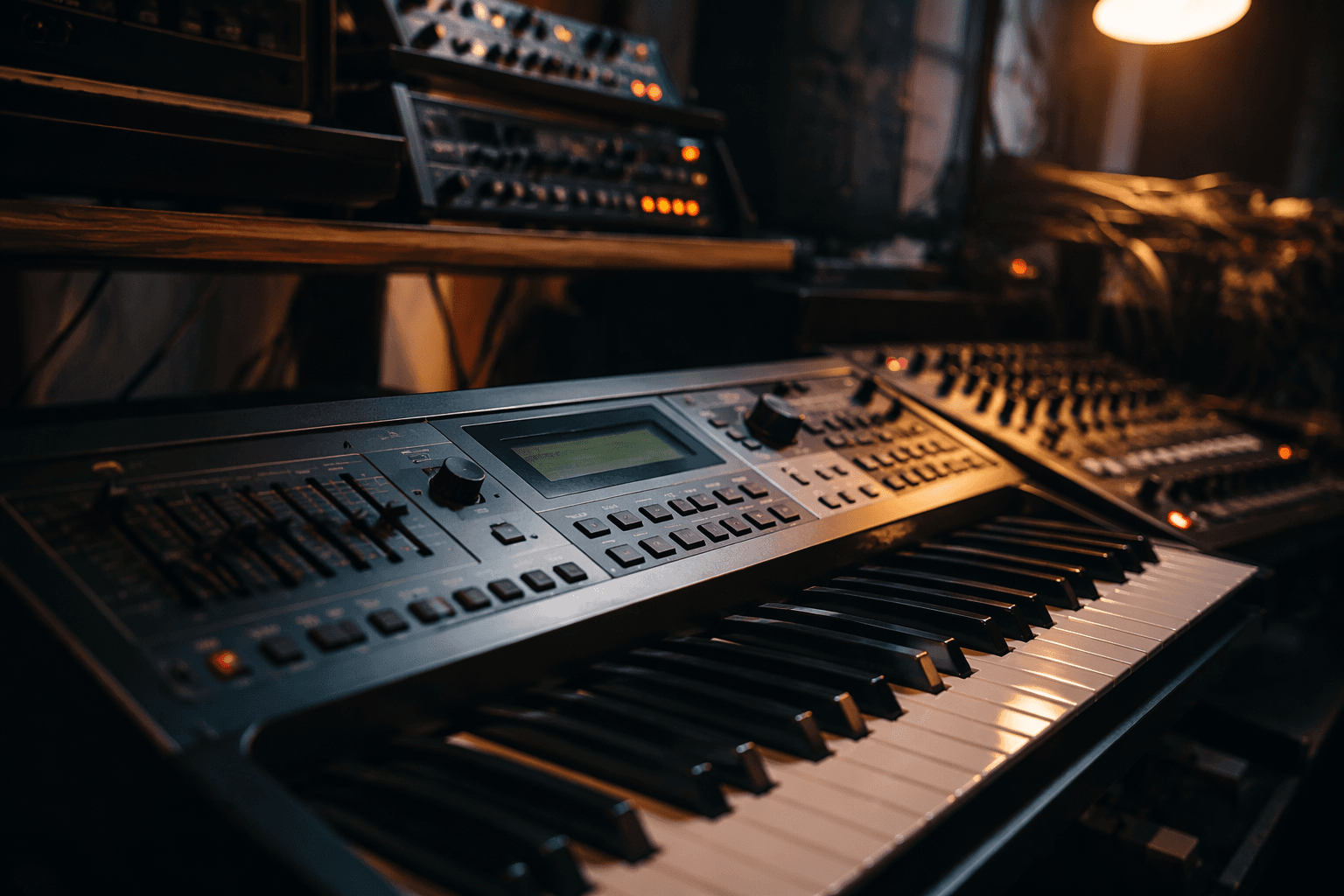
Roland’s MT-32 and Korg’s M1 became real production tools because they could run several sounds at once on separate MIDI channels. Polyphony tells you how many notes can sound at once; multitimbrality tells you how many different sounds can live together in one instrument, often on separate MIDI channels. That difference is why some late-1980s rack units and workstations became real production tools while plenty of famous classics stayed brilliant, but single-purpose, keyboard voices.
Polyphony is not the same as multitimbrality
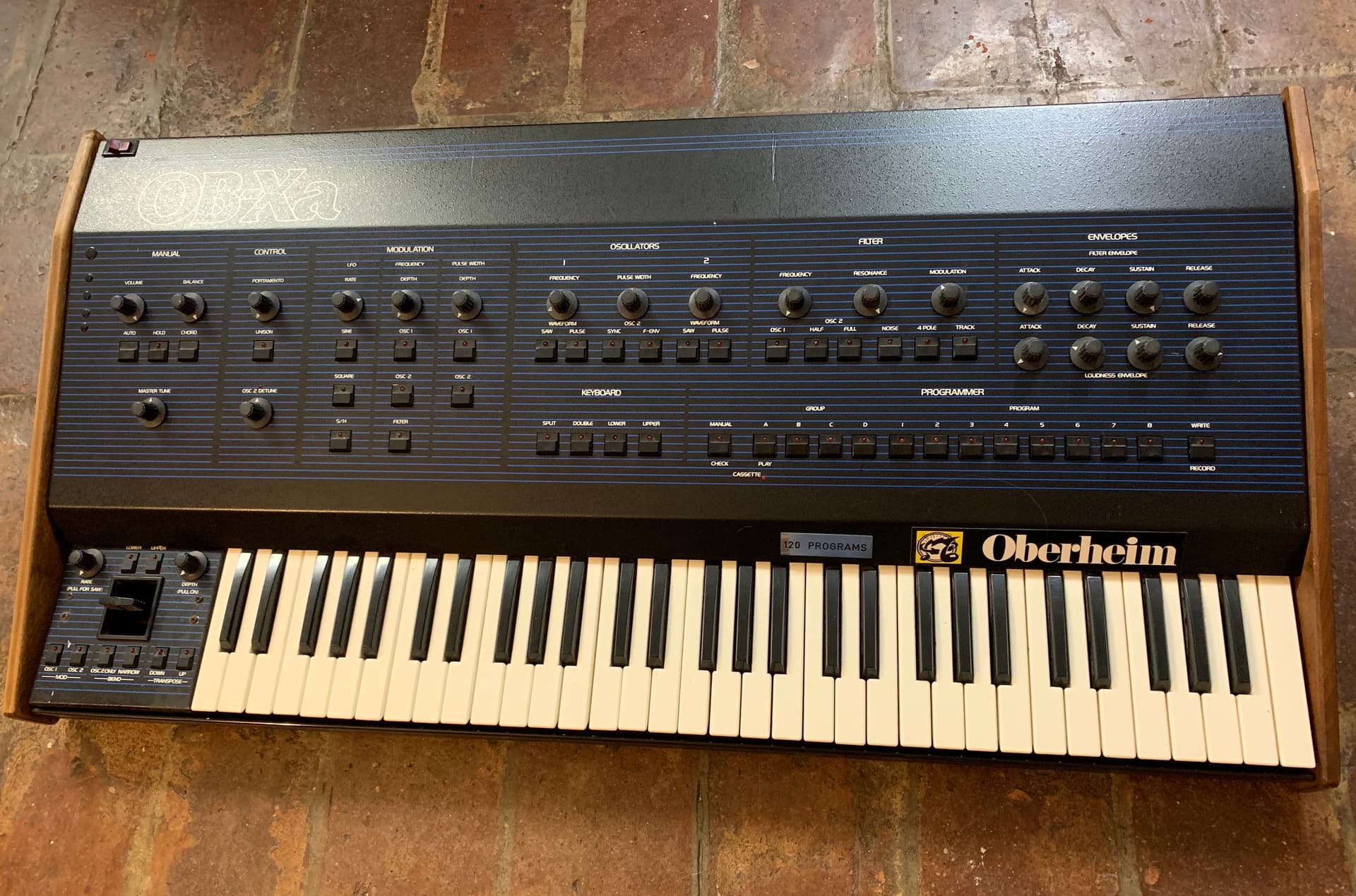
The easiest way to separate the two is to think like a MIDI programmer. A monophonic Minimoog gives you one note at a time, a paraphonic Korg Trident can spread a chord across shared circuitry, and a fully polyphonic Prophet-5 can play many notes together as one patch. None of that automatically makes an instrument multitimbral. Multitimbrality means the synth can respond to multiple MIDI channels with different sounds at the same time, so one unit can cover bass on one part, pads on another, and percussion or a lead line somewhere else.
A 32-voice machine that plays one patch across the whole keyboard is not the same thing as an 8-part multitimbral module with fewer voices, because the latter can function as several instruments inside one box.
Why MIDI made the whole idea possible
MIDI was established in 1983, and that standard is the foundation of multitimbral design. The first detailed MIDI 1.0 specification was reprinted in Electronics & Music Maker in May 1984, and the MIDI Manufacturers Association later published the detailed specification documents that formalized the system. Once MIDI channels existed, several instruments or parts could be addressed over a single connection instead of forcing every sound to live on its own cable and keyboard.
A composer could send bass to one part, a piano to another, and a string pad to a third, all from the same sequencer or master keyboard. Cheap digital memory, more capable voice allocation, and the rise of rack modules and workstation keyboards then turned that technical possibility into a normal production method.
Yamaha’s DX7, released in 1983, helped push FM synthesis and MIDI-era workflows into mainstream use. It did not make every later synth multitimbral, but it normalized the idea that a keyboard could be part of a larger sequencing setup rather than the whole show by itself.
The rack module era made multitimbrality useful
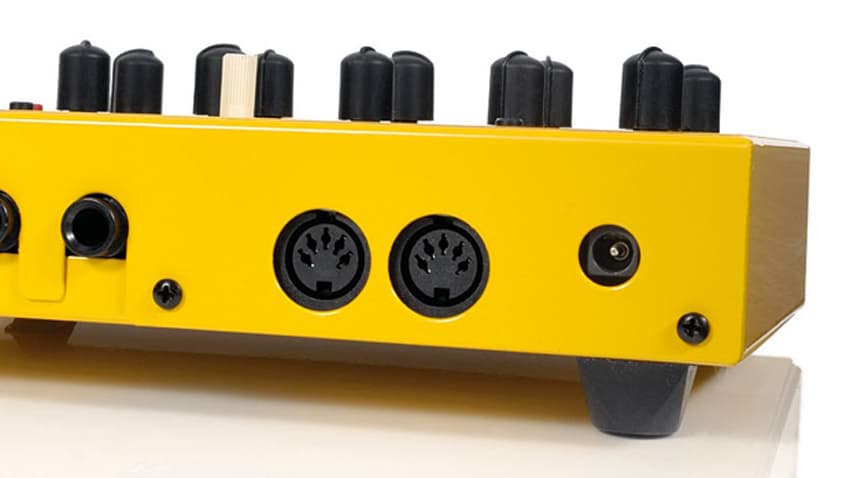
Roland’s MT-32 reached studios in 1987. Its service notes describe it as 32 polyphonic, and in MIDI rigs it fit into a compact, channel-based setup where one device could cover several duties without taking up an entire keyboard stand.
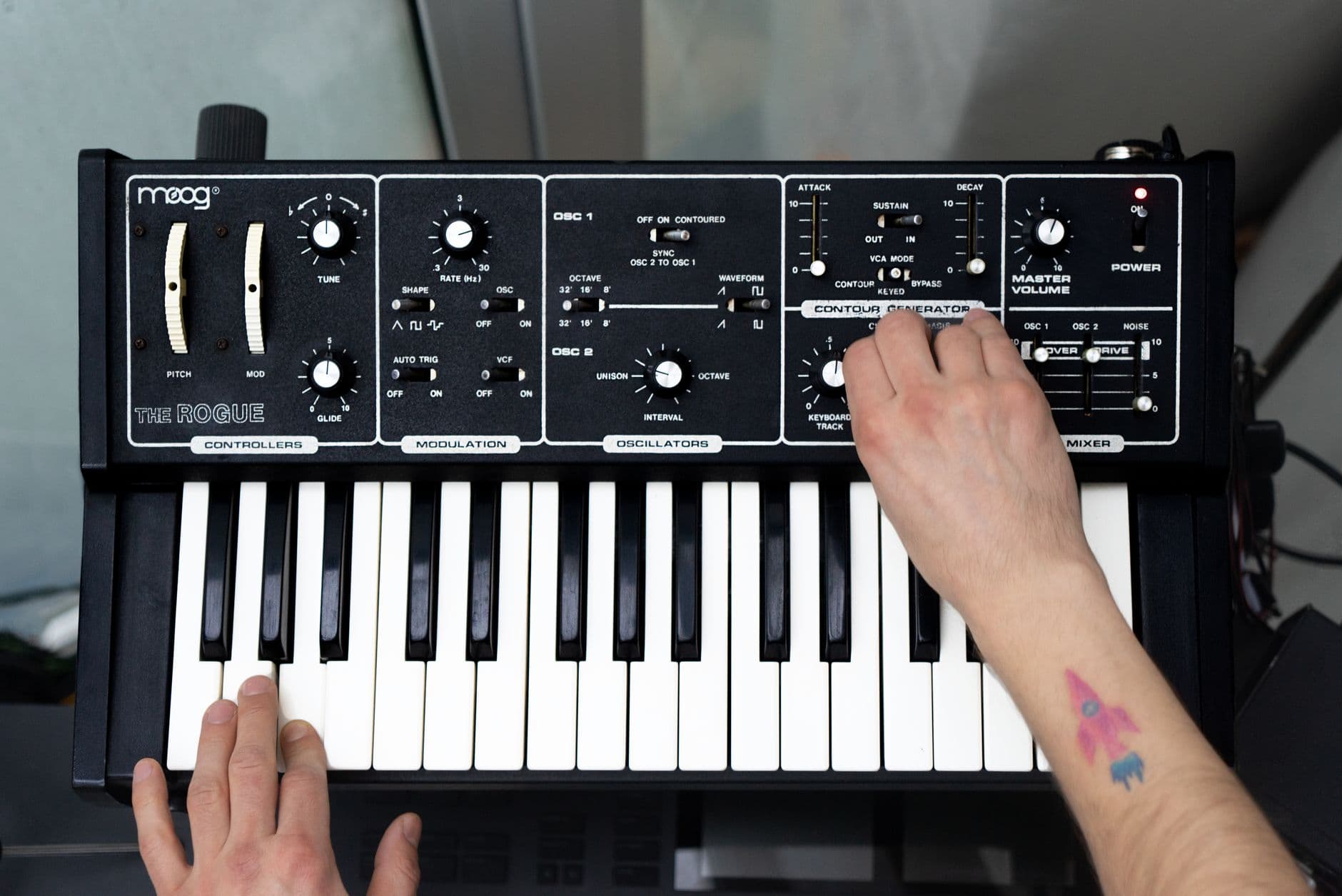
Roland’s CM-32L followed in 1989, extending that same idea in a compact module format. Instruments like these became practical building blocks for songwriters who were sequencing at home and for live players who needed a small rig that could still cover a lot of ground. Instead of hauling multiple keyboards for every part, they could park a master keyboard up front and let rack gear handle the rest.
The Yamaha TX802 shows the concept even more clearly. Music Technology covered it in September 1987 as a multitimbral FM tone generator. It offered full 8-part multitimbral operation, 16 voices of polyphony, 128 preset patches, and 64 user patches.
The workstation boom changed how songs got built
The Korg M1 is dated 1988 to 1995, right in the center of the workstation boom, and its pricing shows it was treated as a major purchase. Its street price in 1988 was US$2,166, with a 1990 MSRP of US$2,749.
The M1 family brought layered presets and broad workstation functionality into the mainstream, which meant one instrument could behave like a self-contained writing environment. For home studios, that reduced the need to book or buy multiple pieces just to sketch an arrangement. For pop and film work, it helped make dense MIDI productions faster to build and easier to keep organized.
A layered patch stacks sounds on top of each other to create a bigger composite timbre. A split divides the keyboard into zones, so different sounds live in different ranges. True multitimbrality goes further, because each part can be its own independent MIDI address, which is what lets a rack unit act like several instruments instead of one big patch.
What changed for players, and what to check as a collector
One rack could provide drums, bass, harmony, and lead parts in a single MIDI sequence, which made arranging faster and more affordable. For live players, it meant a single master keyboard could trigger multiple internal or external sounds, with splits and layers used to cover set pieces that once needed a much larger rig.
A famous single-timbral classic may sound better on its own terms, but a multitimbral synth can be far more useful in an actual MIDI setup. If you want a centerpiece for writing and playback, check whether the instrument offers independent parts, how many MIDI channels it can address, and how voice allocation behaves when several sounds are active at once.
This article was produced by Prism’s automated news system from verified source data, official records, and press releases, then run through automated quality and moderation checks before publishing. The system is built and supervised by the people who set the standards it runs under. Read our full AI policy.
Did this article answer your question?