How string machines used divide-down design to shape vintage synth sound
Divide-down string machines made lush polyphony cheap enough to travel, and the Solina and Eminent 310 turned that shortcut into a sound vintage collectors still chase.
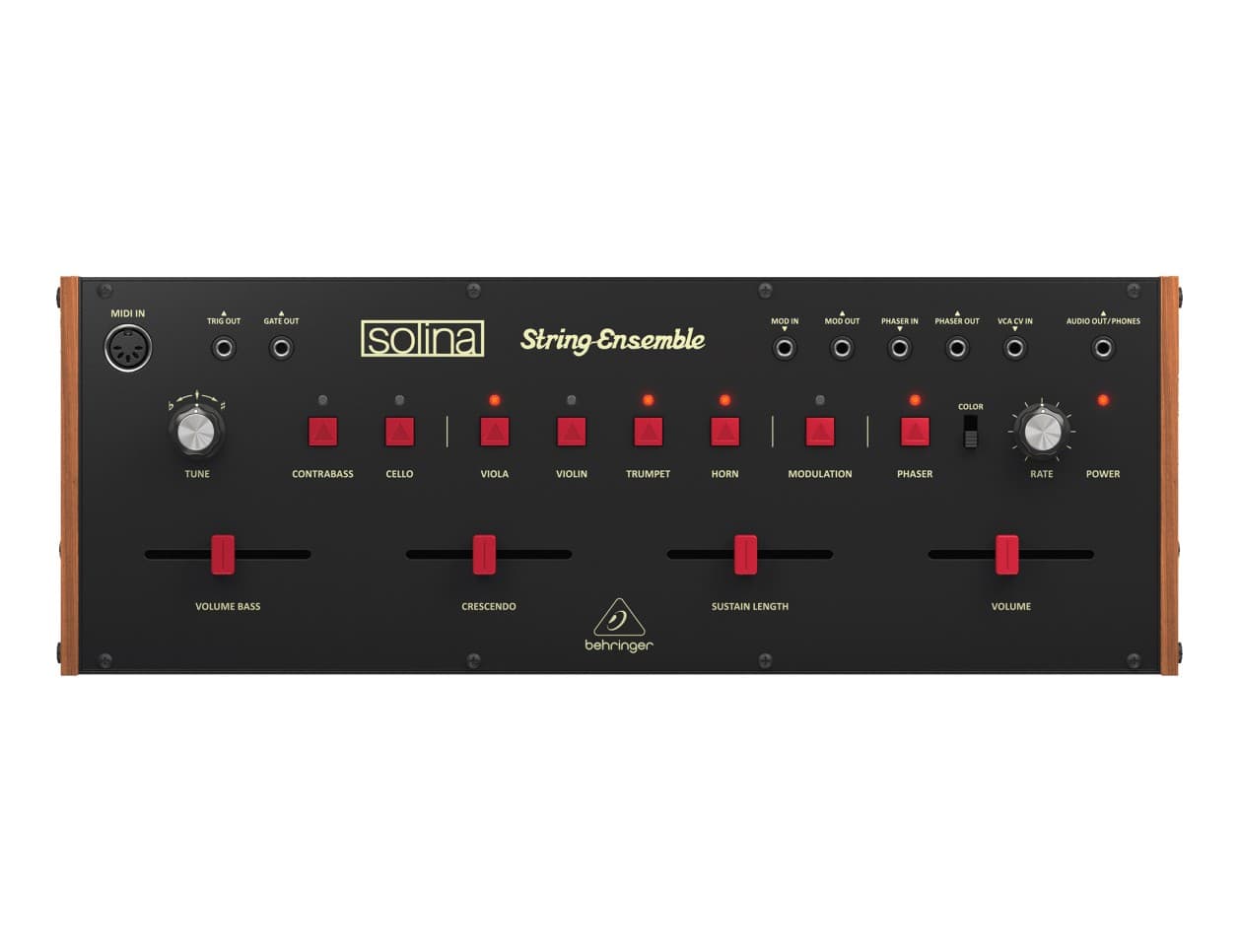
Introduced in 1974 to create polyphonic string sounds, the Solina String Ensemble turned a cost-saving workaround into one of synth history’s most recognizable textures. Inside the divide-down string machine, engineering thrift produced a sound that was never quite a real string section and never just a plain synth patch.
Divide-down design made the dream affordable
String machines solved a problem that more expensive fully programmable polyphonic synths could not yet solve at scale: giving players many notes at once without making every note path expensive. Instead of building a full oscillator per key, makers used organ-style divide-down technology, starting from a top-octave generator and dividing it down to cover the keyboard. The result was a machine that could sound lush and polyphonic without the cost and complexity of a full orchestral setup.
The Solina String Ensemble shows that logic perfectly. In the United States, it was marketed as the ARP String Ensemble from 1974 to 1981. It was a fully polyphonic multi-orchestral synthesizer with a 49-key keyboard, and its voice set included violin, viola, trumpet, horn, cello, and contrabass.
The lineage runs through Eminent, ARP, Logan, Crumar, Hohner, and Eko
The Eminent 310 Unique sits at the center of the story because it shows how organ and string-machine ideas overlapped before the category settled into its familiar form.
From there, the family branches outward. Logan String Melody, Crumar Stringman, Hohner Stringvox, and Eko Stradivarius all illustrate how different builders approached the same practical question: how do you sell orchestral width to working musicians who cannot hire an orchestra? Some leaned harder into organ heritage, others into preset simplicity, but the common thread was always the same divide-down engine and the same promise of instant, usable layers.
The ARP/Solina relationship matters in collector talk. The instrument was built by Eminent BV, but ARP Instruments handled U.S. distribution, so the same machine can still be found under both names in vintage listings and restoration discussions.
What makes the string-machine sound distinct
The sound is not just “strings on a synth.” The essential ingredient is the ensemble effect, which gives the raw divide-down tone its width, motion, and shimmer. Add a simple filter section and the result becomes less like a clean keyboard tone and more like an arrangement already in motion.
That character helped string machines become fixtures in progressive rock, disco, early synth-pop, and film scoring. They sat in a practical middle ground: not a realistic string section, not a pure electronic pad, but a textured layer that could fill space fast. The Solina’s preset voices made that immediacy even clearer, because you were choosing between orchestral colors rather than designing sound from scratch.
The best string machines are recognizable the moment the ensemble circuit comes in. Without it, the divide-down tone can feel thin; with it, the sound turns glossy and swaying.
Ownership now means restoration, not just collecting
If you buy one today, the first thing to understand is that these are old electronics with very specific weak points. Repair work on Solina-family instruments often starts with the power supply, where rebuilds commonly replace electrolytic capacitors, power resistors, and the bridge rectifier. The resistors used to create the rails can run hot and may have been under wattage, which makes heat-related aging a practical concern rather than an abstract warning.
Dead voices are part of the same story. A string machine can look intact and still need serious attention before every section behaves as it should, which is why restoration galleries and repair discussions around the Solina keep coming back to power-supply rebuilds and voice faults. For a buyer, that means the health of the supply and the chorus section matters as much as cosmetics.
Museum and preservation interest has grown around the category. Drew Raison published *A Partial History of the String Machine* at EMEAPP in 2018, and later hardware interest has included a Behringer recreation of the Solina String Ensemble paired with a Small Stone phaser.
This article was produced by Prism’s automated news system from verified source data, official records, and press releases, then run through automated quality and moderation checks before publishing. The system is built and supervised by the people who set the standards it runs under. Read our full AI policy.
Did this article answer your question?