Sequential Circuits Prophet-600 shows the shift to practical polyphony
The Prophet-600 is the bridge synth that made analog polyphony practical, with six voices, patch memory, and the first commercial MIDI implementation.
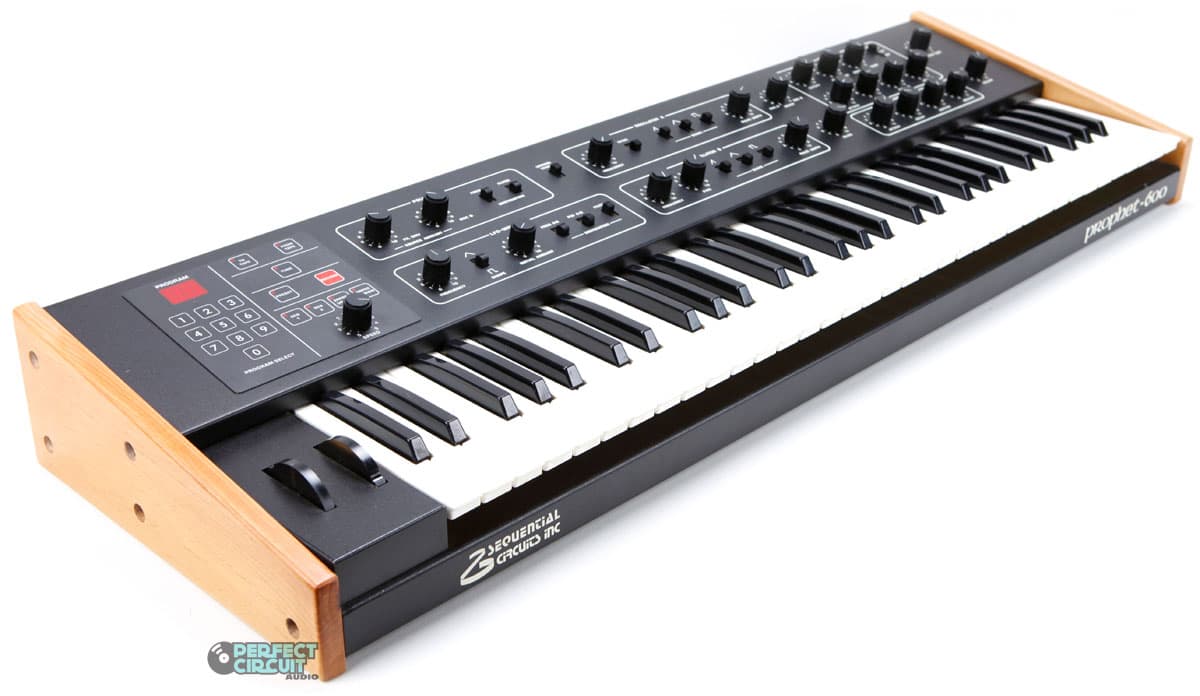
The Prophet-600 is the Sequential that explains the turn from pure knob-twiddling to practical polyphony. Issued in December 1982, with six voices, two oscillators per voice, and a 61-key keyboard, it kept the analog core intact while adding the kind of memory and MIDI logic that changed how players actually used synths.
Why the Prophet-600 matters
If you want the Prophet-5 legend, you already know the story of immediate, hands-on analog control. The Prophet-600 tells the next chapter: same family DNA, but built for a world where sounds could be stored, recalled, and moved between devices. Its VCF and VCA sections were very similar to the Prophet-5, which is why it still feels like a real Sequential poly rather than a compromise machine.
That is exactly why it earns attention from collectors, players, and restorers. It is the instrument that shows how the early 1980s were not only about making synths sound better, but about making them usable in sessions and on stage without constant re-dialing. If you are trying to understand why patch memory and MIDI mattered, this is one of the cleanest examples in the vintage catalog.
The architecture is the lesson
The Prophet-600 is a six-voice analog polysynth, and that voice count matters in practice. Six voices is enough for chords, pads, stacked intervals, and tidy layered parts, but it also forces discipline when you start holding long notes or building dense voicings. It is a machine that teaches arrangement by limitation, which is part of its charm.
Each voice carries two oscillators, and the design is described in modern references as a 6-voice, dual-VCO analog poly. That gives it the expected Sequential thickness, but the digitally controlled oscillators tighten tuning stability compared with more drift-prone analog designs. The result is not sterile precision, just a little less time spent chasing tuning issues before you start playing.
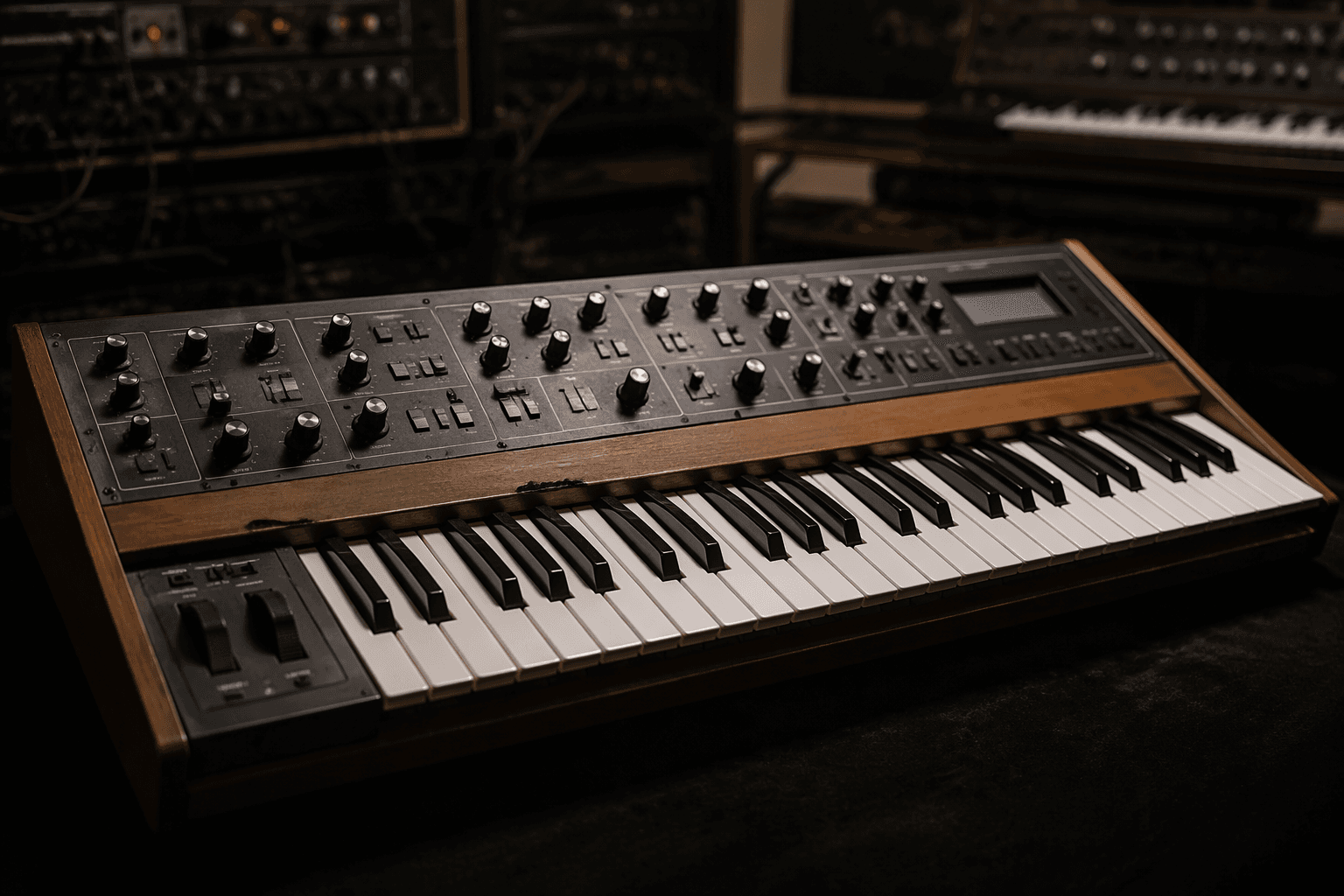
The 61-key keyboard gives it real performance presence, and the onboard controls make it feel like a proper instrument rather than a desktop curiosity. The sound path remains familiar in the best way, with the resonant low-pass filter carrying a lot of the family identity. You can hear why players still treat it as a serious vintage poly instead of a novelty offshoot.
MIDI and memory changed the job
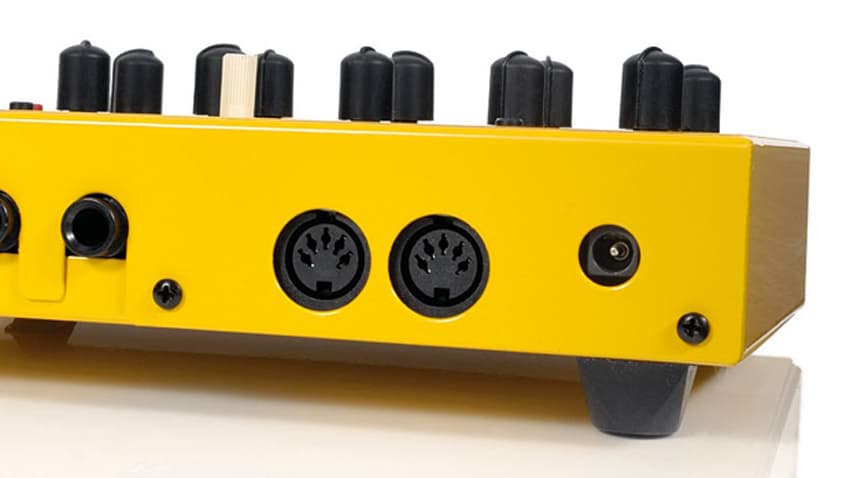
The Prophet-600 matters even more when you put it in the context of its release. Multiple sources identify it as the first commercially available synthesizer to implement MIDI, and that alone makes it a landmark instrument. It was not just another analog poly with presets bolted on, it was one of the first synths to behave like part of a network.
Its patch memory can hold up to 100 sounds, which is a huge part of the practical appeal. Later software versions supported polyphonic MIDI implementation and the same 100-memory approach for user sounds, and one source notes that both patch memory and sequencer data could be dumped and loaded via MIDI. That means the Prophet-600 was already pointing toward the modern expectation that a synth should remember what you did and talk to other gear.
For a player, that changes the ownership experience completely. Instead of living with a fragile snapshot of knob positions, you can store a patch, come back to it, and build a working library around the instrument. For a restorer, that also makes the MIDI side and memory behavior worth checking with the same seriousness you would give the voice cards or keyboard.
Why Sequential built it
The Prophet-600 was also a product decision, not just a technical experiment. It was positioned as a more portable and affordable alternative to the Prophet-5, which explains why Sequential made it in the first place. That lower-cost branch of the Prophet line is easy to overlook because the flagship name gets all the glory, but the 600 shows how Sequential iterated rather than simply repeating itself.
Sequential’s own history places the model inside that broader company arc, and the public memory around it has been complicated by the Prophet-5 shadow. Vintage Synth Explorer even frames it as the Prophet-5’s “big brother” in the popular imagination, but the better read is that it was the practical sibling, the one that translated the Prophet idea into a machine more players could actually live with. That distinction matters if you are deciding where to spend money.
If you are choosing between chasing a Prophet-5 and studying a Prophet-600, the 600 gives you the more instructive purchase. The Prophet-5 is the icon, but the 600 shows the transition from immediate analog design to patch memory, MIDI-era convenience, and the later culture of reusable sounds. It is the synth that explains how the hobby moved forward.
How it sounds in the long run
The reputation around the Prophet-600 has always been a little uneven, which is part of why it rewards close listening. A 2010 demo called it “one of the most underrated analog synths ever,” and a 2025 review described it as a “6-voice, dual-VCO analog poly” with unison, an arpeggiator, and a simple onboard sequencer. That matches the way players still talk about it: warm analog tone, classic Sequential character, and a sound that can come off brighter, harsher, dirty, or “American” compared with some other polys.
That tonal personality is useful because it keeps the instrument from feeling generic. You do not buy a Prophet-600 to pretend it is something else, and you do not buy it just to chase the Prophet-5 myth. You buy it because it sits at the exact point where vintage polyphony became practical, recallable, and MIDI-aware without giving up the sound that made people care in the first place.
The Prophet-600 is not merely the overlooked Sequential. It is the one that shows the bridge, and once you hear how that bridge was built, the rest of the vintage poly timeline makes a lot more sense.
This article was produced by Prism’s automated news system from verified source data, official records, and press releases, then run through automated quality and moderation checks before publishing. The system is built and supervised by the people who set the standards it runs under. Read our full AI policy.
Did this article answer your question?