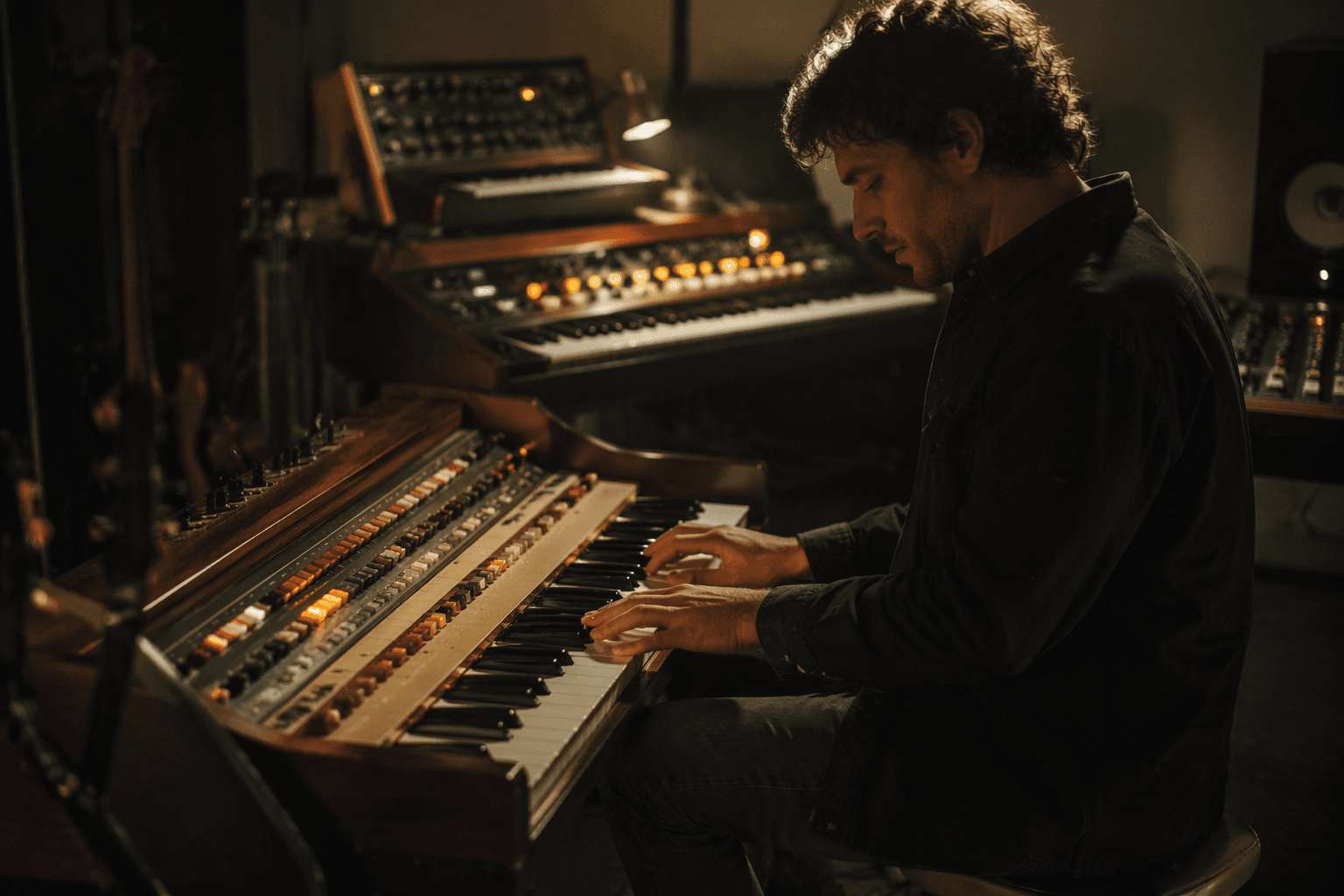
MusicRadar Synth Shoot-Out Tests Vintage Hardware Against Modern Emulations
Vintage hardware does not automatically win this shoot-out. The real question is when a classic’s feel and aura still beat a plug-in’s speed, recall, and lower risk.
The test that matters now
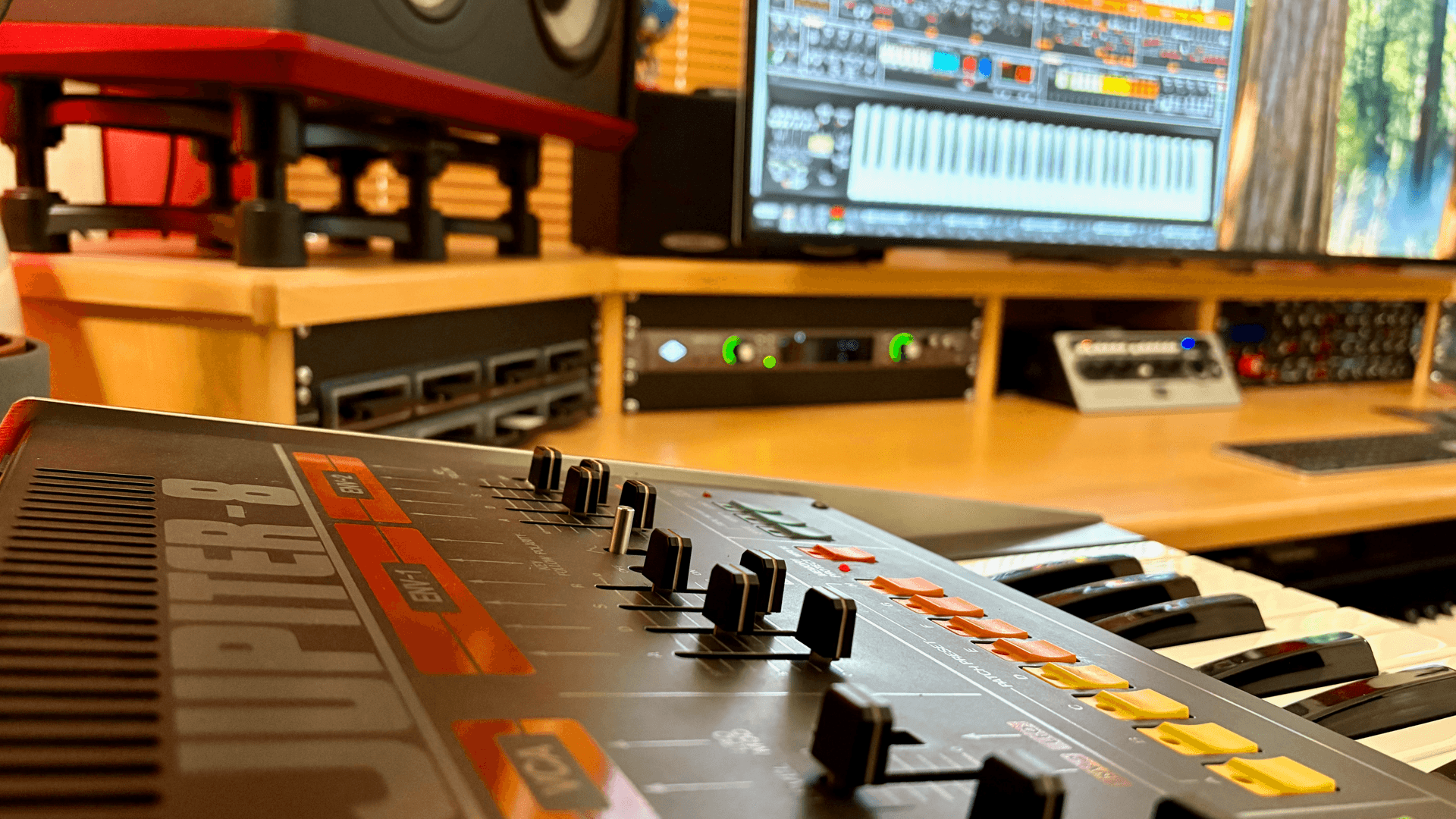
MusicRadar’s latest synth shoot-out cuts straight through the usual nostalgia and asks the question that matters to buyers: can you really tell which is which, and does it even matter when you are the one paying for the instrument? The value of the piece is not in crowning a winner, but in forcing a practical decision between the physical charm of a classic and the convenience of a modern emulation.
That shift is important for anyone weighing a vintage purchase. The old argument used to stop at tone, but the real-world trade-offs are broader now: playing feel, latency, patch recall, maintenance burden, studio workflow, and the simple fact that some legendary machines are no longer easy to keep healthy. The shoot-out works because it treats hardware as more than a sound source and software as more than a compromise.
Why hardware still pulls people in
The original appeal of vintage hardware is still very real. Part of it is the front panel, the tactile response, and the sense that you are sitting in front of an object designed in a different era, not a screen preset dressed up as nostalgia. Part of it is the unpredictability, because old instruments do not always behave in neat, repeatable ways, and that can be either a creative spark or a repair bill waiting to happen.
That is also why the original machine can still feel worth the trouble even when a plug-in gets close. The hardware carries presence, provenance, and a kind of emotional pull that does not show up in a frequency plot. When you are looking at a landmark instrument rather than a model of one, the experience can shape the performance as much as the sound itself.
The new software case is stronger than it used to be
The modern emulation market has matured to the point where the answer is often, at least partially, yes: software can satisfy the same itch for a fraction of the cost. MusicRadar has already pointed out the basic economics, noting that vintage synths are expensive and difficult to maintain, while plugin emulations are easier to install and improve every year. That is not an abstract argument anymore. It is the reality facing anyone deciding between a service call and a download.
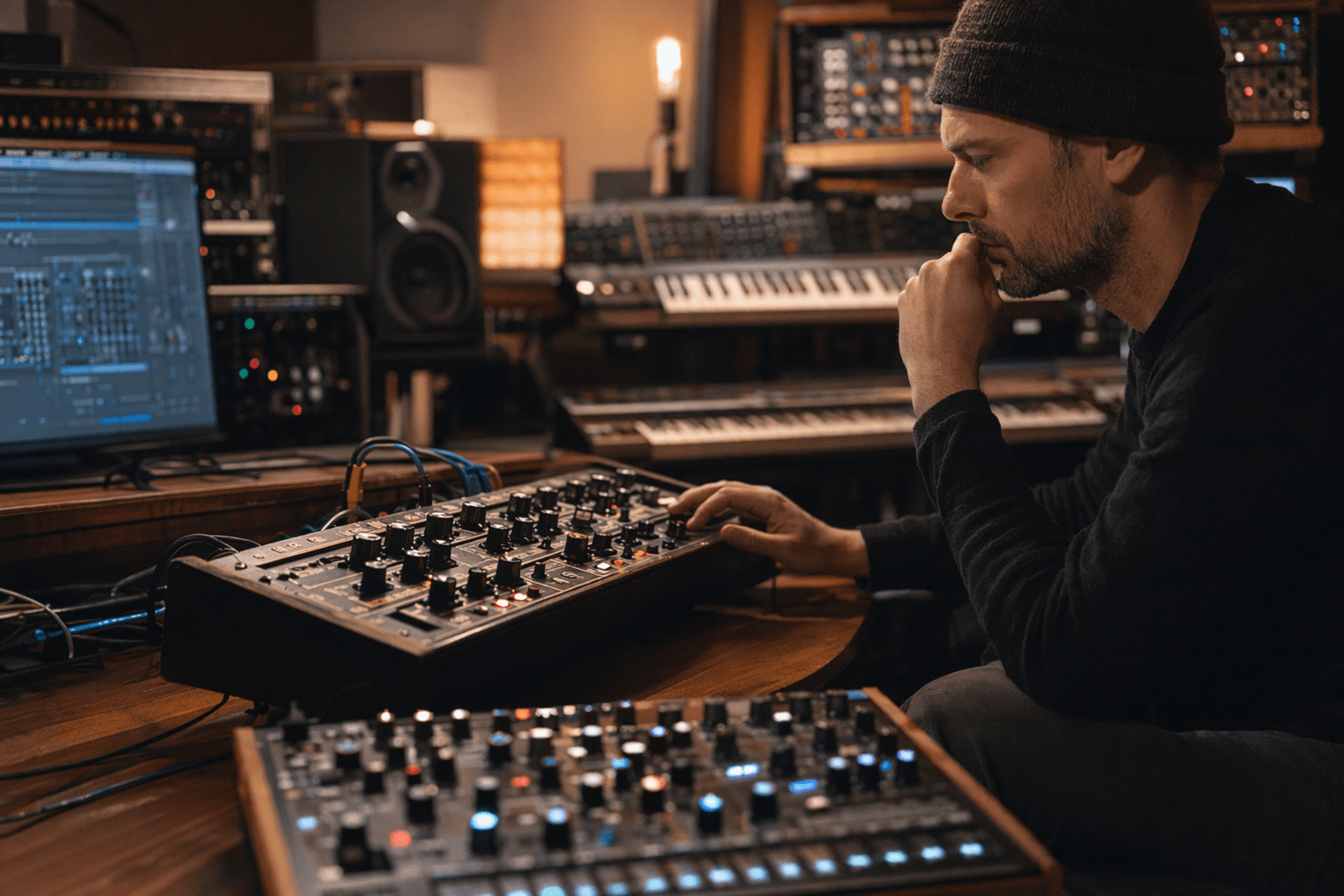
Roland’s own software line makes the case plainly. The company says the JUPITER-8, released in 1981, is one of the most revered and sought-after polysynths of all time, and its software version is positioned as an authentic, down-to-the-circuit-level recreation. Roland also says the original JUNO-60 is scarce, expensive, and in need of frequent tune-ups, while the plug-in is always up to date and ready to play. That contrast is exactly why software has become the default answer for so many production rooms.
How the major brands are reshaping authenticity
The debate is no longer just collectors versus computer musicians. The manufacturers themselves are now selling software recreations of their own classics, which changes what authenticity means. KORG says KORG Collection 6 methodically and accurately recreates the authentic sound and behavior of legendary KORG synthesizers, and its software catalog now includes modern versions of the MS-20, Polysix, Mono/Poly, ARP Odyssey, miniKORG 700S, and M1.
The M1 matters here because KORG describes it as an epoch-making synthesizer released in 1988 that defined the late 1980s and 1990s. That kind of history is exactly why the software versions land so well with players today: they are not just imitators, they are official extensions of instruments that already shaped records and genres. Once the original maker is also selling the plug-in, the old line between copy and original gets a lot blurrier.
u-he takes a slightly different route with Repro, saying it uses component-level modelling technology to recreate two famous synthesizers and preserve the quirks of the originals. That detail matters because the strongest emulations are no longer only about broad tone. They are about the little irregularities, the behavior under pressure, and the subtle movement that made the hardware feel alive in the first place.
Where the original still earns its keep
The best way to judge vintage hardware is not to ask whether it sounds good in isolation. Ask where the object itself changes the job. If you perform live and want immediate hands-on control, the original panel can still be a major advantage. If you are recording in a DAW and need fast recall, software will usually win before the first note is even played.
Here is the decision framework that actually helps:
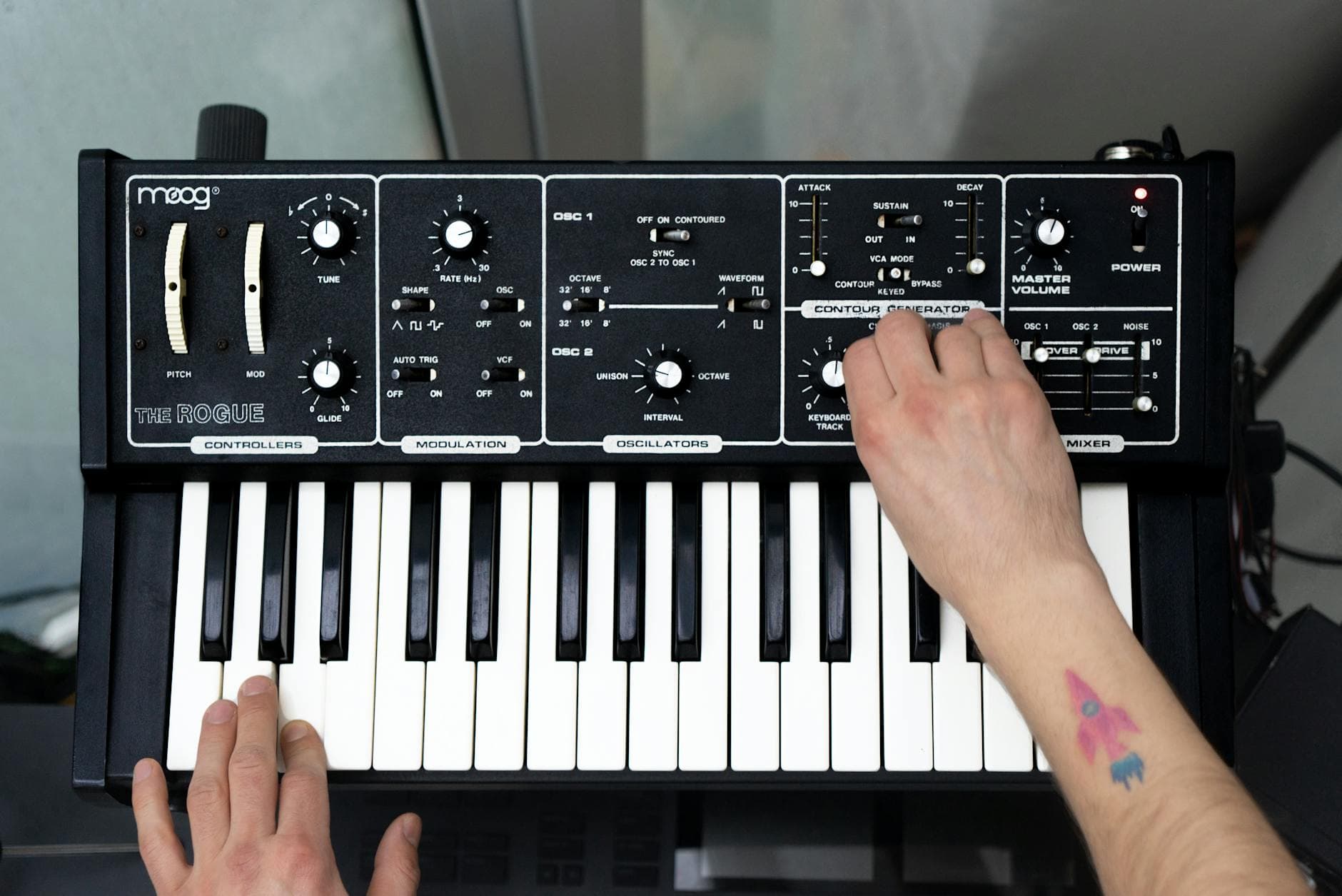
- Choose the hardware if you want the physical interaction, the historical object, and the sense that the instrument is part of the performance.
- Choose the hardware if you are prepared for maintenance, tune-ups, parts hunting, and the possibility that age will change the schedule.
- Choose software if you value instant recall, easy installation, portability, and predictable session management.
- Choose software if you want something close to the original sound without absorbing the repair risk or the high entry cost.
- Choose hardware if the resale value, provenance, and collector appeal matter as much as the music.
- Choose software if you need a working instrument today, not a project.
That is where latency, patch recall, and workflow stop being technical footnotes and become daily life. A plug-in can reopen exactly where you left off, sit inside a mix session, and travel with you anywhere a laptop goes. A vintage synth can still feel better under the fingers, but it may also require a service bench, patience, and a tolerance for uncertainty.
Moog shows how broad the shift has become
Moog Music is another sign that the software shift is not limited to clone culture. The company now markets software synthesizers as a way to introduce the classic Moog sound into a digital production workflow. That is a telling move from a brand built on hardware identity, because it shows that even legacy makers see software as a genuine part of modern music-making rather than a lesser substitute.
Taken together, the message from Roland, KORG, u-he, and Moog Music is consistent: the original instrument still has value, but the plug-in is no longer a consolation prize. For many players, software now delivers most of the result with far less cost, friction, and risk.
The bottom line for collectors and buyers
The real question is not whether vintage hardware is “better” in some absolute sense. It is whether the extra money, maintenance, and uncertainty buy you something you will actually use. If the answer is tactile inspiration, provenance, and the pleasure of owning the machine itself, the hardware can still justify its place. If the answer is mainly sound, speed, and reliability, the software route now gets you close enough to make the decision a practical one, not a nostalgic one.
This article was produced by Prism’s automated news system from verified source data, official records, and press releases, then run through automated quality and moderation checks before publishing. The system is built and supervised by the people who set the standards it runs under. Read our full AI policy.
Did this article answer your question?