MusicRadar’s dream synths expose the soaring vintage hardware market
MusicRadar’s wish-list synths read like fantasy, but their prices expose a market ruled by rarity, provenance, and repair risk as much as sound.
The fantasy list is the market
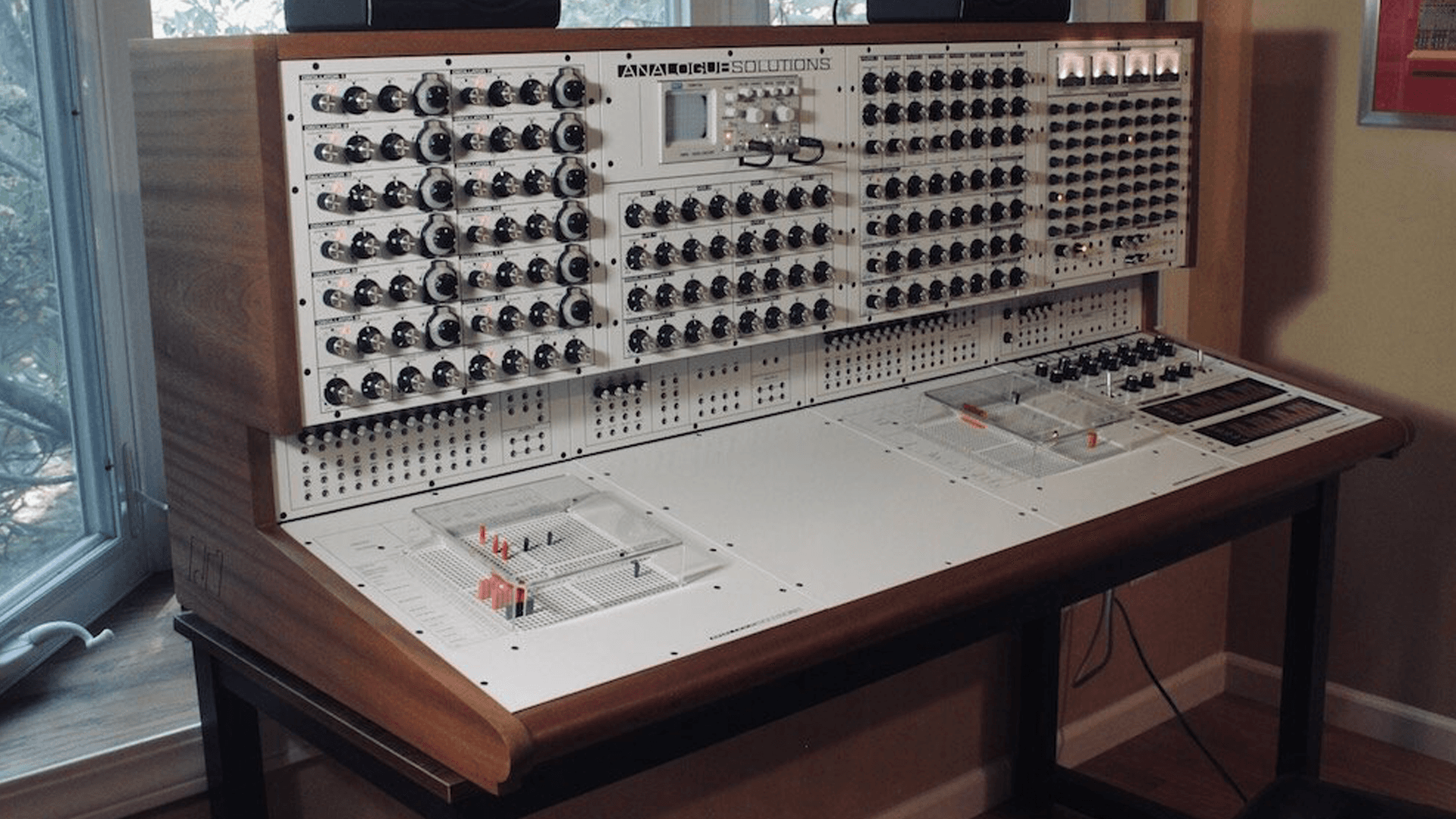
MusicRadar’s dream-synth roundup works because it flatters the collector brain, then quietly shows you the bills hiding underneath it. The appeal of these machines is not just tone, but tactile immediacy, visual drama, and the feeling that a studio becomes a private museum when one of these giants is in the room.
That is also why the list matters as a market signal. MusicRadar called vintage hardware "ridiculously collectible" in its 2024 coverage, and the phrase reads less like a joke than a price forecast. Once rarity, legend, and condition line up, the numbers stop behaving like gear prices and start behaving like art-market numbers.
Why the dream machines cost what they cost
The top end of the vintage synth market is driven by four things that keep reinforcing each other: scarcity, artist association, restoration difficulty, and size. Scarcity is obvious. Artist association gives a machine a second life in the public imagination. Restoration difficulty turns even a good deal into a long-term project, and size raises the cost of moving, storing, and servicing the instrument.
That is why a "beast of a synth" can become more desirable precisely because it is inconvenient. In this corner of the market, weight, original parts, and provenance are not side notes. They are part of the value proposition, and sometimes the entire value proposition.
RA Moog Modular IIIC: history you can stack in cabinets
The 1968 RA Moog Modular IIIC sits in the kind of space where instrument history and collector history become the same thing. RL Music described one as a three-cabinet, period-correct all-RA-Moog-module system dating from 1968, and that detail tells you everything about why it sits in grail territory. Completeness matters. Originality matters. The fact that it is a fully period-correct system matters even more.
A modular like this is not simply rare; it is hard to reproduce convincingly once parts, modules, and documentation start drifting away from the original build. That makes restoration a delicate game, and each surviving example becomes a document as much as a synth.
Closest practical substitute: a modern semi-modular Moog such as the Matriarch gives you the patch-cable ritual and big analog personality without asking you to hunt down a three-cabinet museum piece.

Roland Jupiter-8: the blue-chip poly that never really left the conversation
The Roland Jupiter-8 is one of the cleanest examples of how a famous synth becomes financial shorthand for an era. Reverb lists a 61-key Jupiter-8 with a production run from 1981 to 1985, eight voices of polyphony, and a current example priced at $11,617.57. That is not a quirky outlier anymore. It is a market snapshot.
Part of the appeal is simple: the Jupiter-8 has the kind of status that turns ordinary scarcity into recurring demand. Part of it is practical too. A flagship poly from the early 1980s still feels playable, familiar, and visually authoritative, which keeps it in the conversation even among players who have no intention of paying five figures for one.
Closest practical substitute: Roland’s Jupiter-X is the obvious modern stand-in if you want the Jupiter name, the broad palette, and a far saner path into the sound.
EMS VCS3: the premium on weirdness and provenance
The EMS VCS3 keeps proving that experimental credibility can carry a serious price premium. Reverb recently listed an EMS VCS3 at $26,312.23, and another 1971 listing ended at $25,498.19. Reverb also framed one example as a rare chance to secure an original in excellent condition, which is exactly the kind of wording that reveals how thin the supply has become.
This is where artist association bites hardest. The VCS3 is not just a synthesizer with a distinctive layout. It is a machine tied to a specific era of British experimentation, and that history makes each surviving unit feel like a working relic. The price is not only about sound, but about owning a piece of a lineage that still carries cultural authority.
Closest practical substitute: Erica Synths’ SYNTRX II is one of the more convincing modern ways to get into that matrix-patching world without chasing a fragile original.
Yamaha CS-80: when the instrument becomes a logistics problem
The Yamaha CS-80 is the poster child for a different kind of grail status. Reverb’s product page says it weighs over 200 pounds, and that single fact explains a lot about the machine’s mystique. A synth that heavy is never just a purchase. It is shipping, handling, floor load, access, service, and long-term commitment.
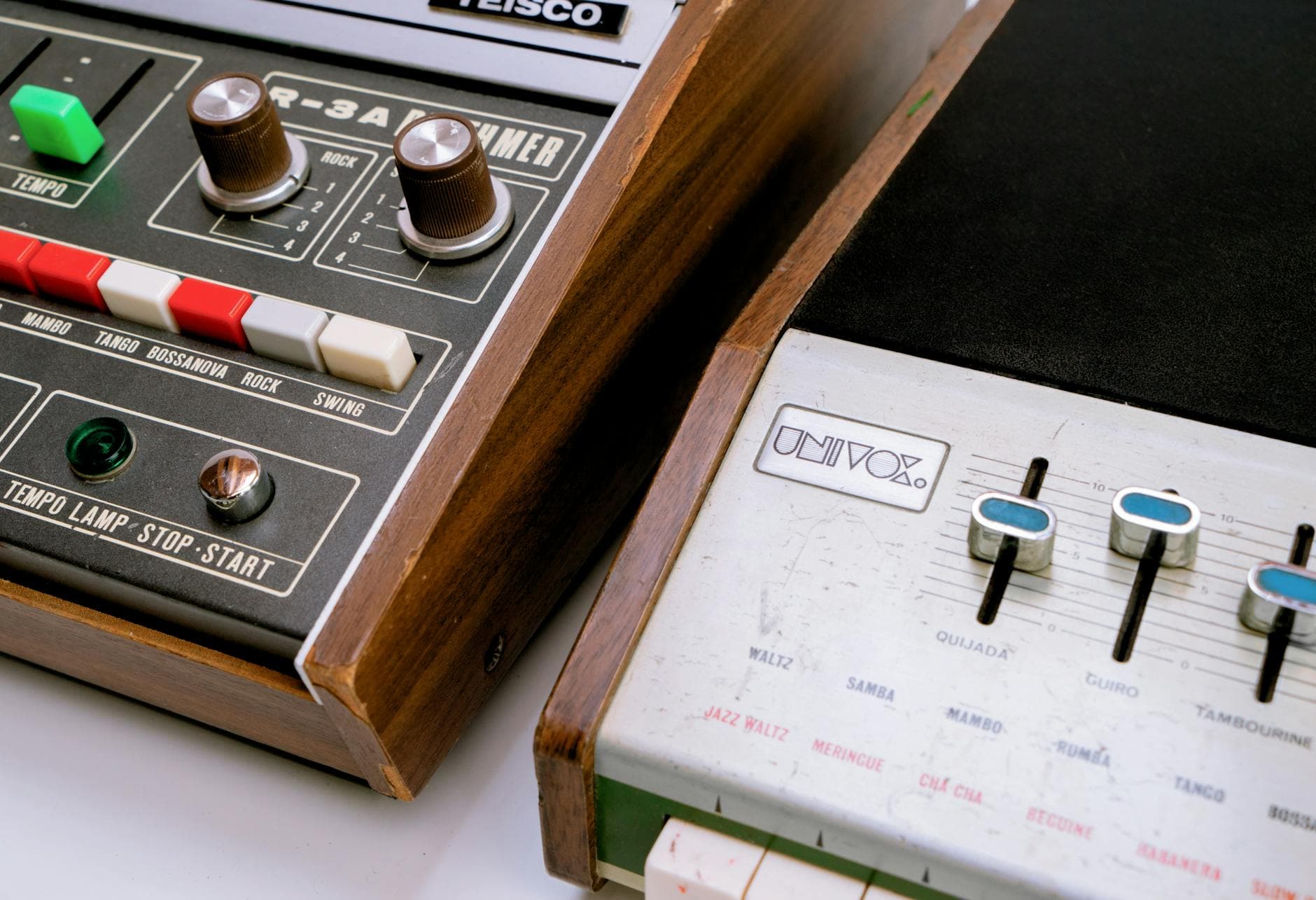
That burden adds to the mythology. The CS-80 is famous not only for its sound, but for the sheer physical presence that makes ownership feel ceremonial. When collectors talk about one, they are talking about an object that changes how a room works, not just how a patch sounds.
Closest practical substitute: a modern expressive flagship such as the Yamaha Montage M8x gives you a more manageable way into Yamaha’s high-end performance world without the back-breaking logistics.
Waldorf Wave: proof that digital can be just as collectible
The Waldorf Wave is a useful reminder that the scarcity game is not limited to analog. Reverb’s archive says one sold in 2021 for $29,999, and its product page identifies it as a 1993 German-made 61-key synthesizer. That is a serious price for a digital instrument, but it makes sense once you factor in the Wave’s reputation as a major wavetable behemoth.
Digital gear can still become collectible when the design is bold enough, the production run is limited enough, and the sonic identity is strong enough to separate it from later, cheaper descendants. The Wave’s value comes from exactly that combination, plus the fact that it represents a specific moment in synthesizer engineering that never quite repeated itself.
Closest practical substitute: the Waldorf Iridium is the most straightforward modern path into that wavetable universe, with far less risk and no collector-grade sticker shock.
What the prices really tell you
The real lesson in MusicRadar’s dream-synth roundup is not that collectors love expensive toys. It is that the upper vintage market now rewards proof, not just nostalgia. A 1968 Moog with the right cabinets, a Jupiter-8 with clear production history, a VCS3 in excellent condition, a CS-80 that can still be moved, and a Wave with documented pedigree all sit on the same basic logic: the instrument has to survive as an object, not just as a sound.
That is why these price tags feel so extreme. They are measuring far more than tone. They are pricing rarity, documentation, repairability, and the stubborn fact that some dreams get harder to own every year.
This article was produced by Prism’s automated news system from verified source data, official records, and press releases, then run through automated quality and moderation checks before publishing. The system is built and supervised by the people who set the standards it runs under. Read our full AI policy.
Did this article answer your question?