New analog rivals cool the vintage synth market's price surge
Vintage prices are still high, but common classics now face real competition from new analogs, and that changes what sells first and what is worth keeping.
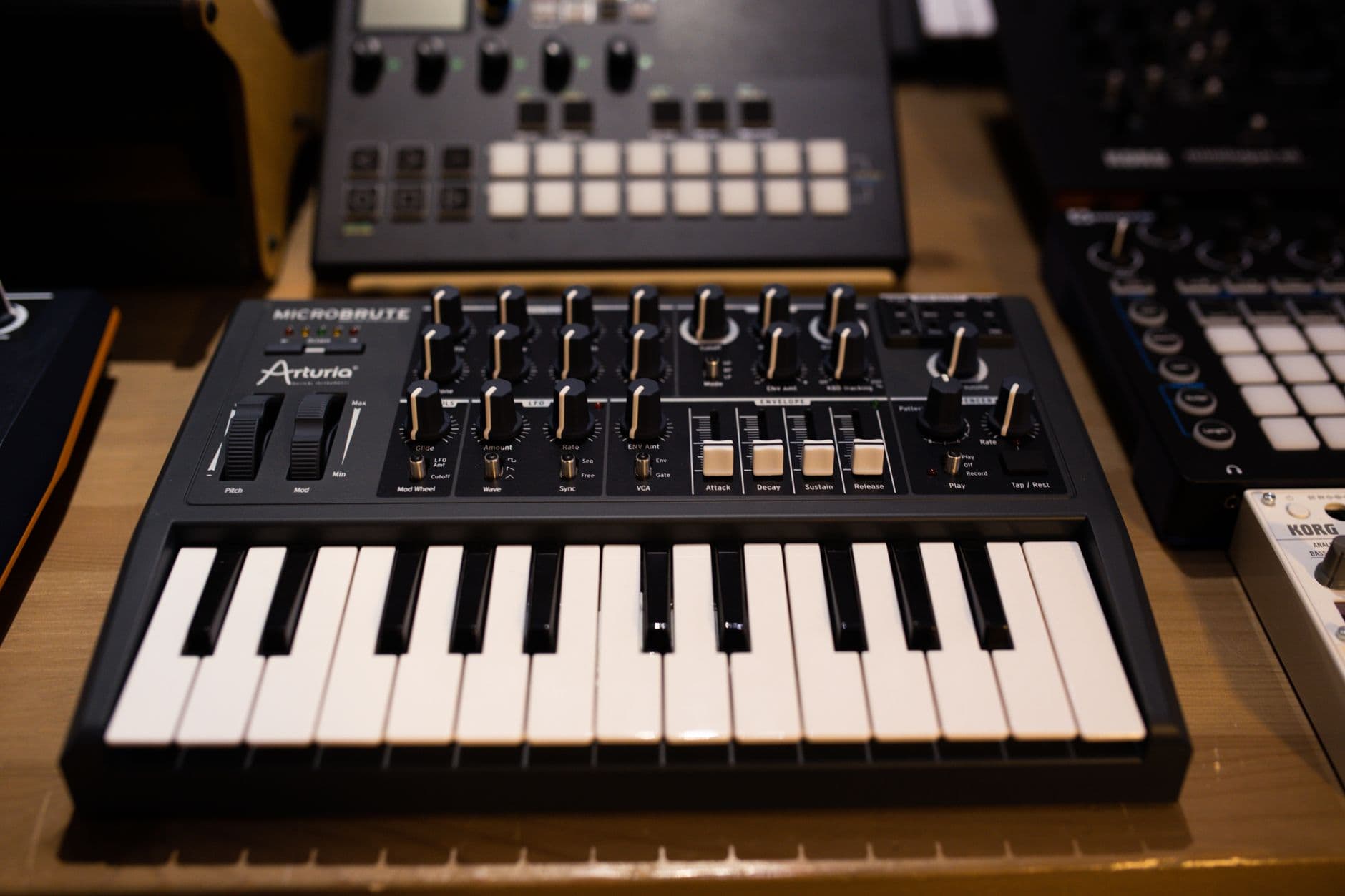
A buyer who once reached for a used Juno or Prophet now has a broader field of reliable new hardware that keeps the analog workflow intact. Prices on vintage analog synthesizers are still sitting near the top of the mountain, but the climb no longer looks one-way. The pressure is coming from a new place now: not just collectors chasing scarcity, but modern analog instruments that give players the same hands-on feel without the repair headaches, shipping risk, or brittle parts of a 40-year-old box.
The market is cooling where alternatives are strongest
The clearest sign of a shift is in the middle of the market, where common classics used to trade on pure mystique. In Reverb’s price guide, prices for common vintage synths have been “dampened by real quality new analog instruments,” a pressure that matters most for the models players actually gig with and studio musicians actually buy. The competition is no longer just software, either.
That change also cuts into the old assumption that every vintage piece is a better store of value than a new instrument. When a modern synth can deliver the tactile sweet spot of filter knobs, envelopes, and immediate front-panel control, the old unit has to justify itself on more than tone alone. For a lot of the market, that justification is now originality, condition, and history rather than simple age.
Elite icons still hold the line better than the crowd favorites
The top of the market behaves differently. Rare, culturally important instruments still command strong prices because scarcity is real and the supply cannot be manufactured back into existence. That is where the downturn question gets more nuanced: the objects that defined eras, and the machines with deep studio or pop-history associations, are harder to dislodge even when the broader market softens.
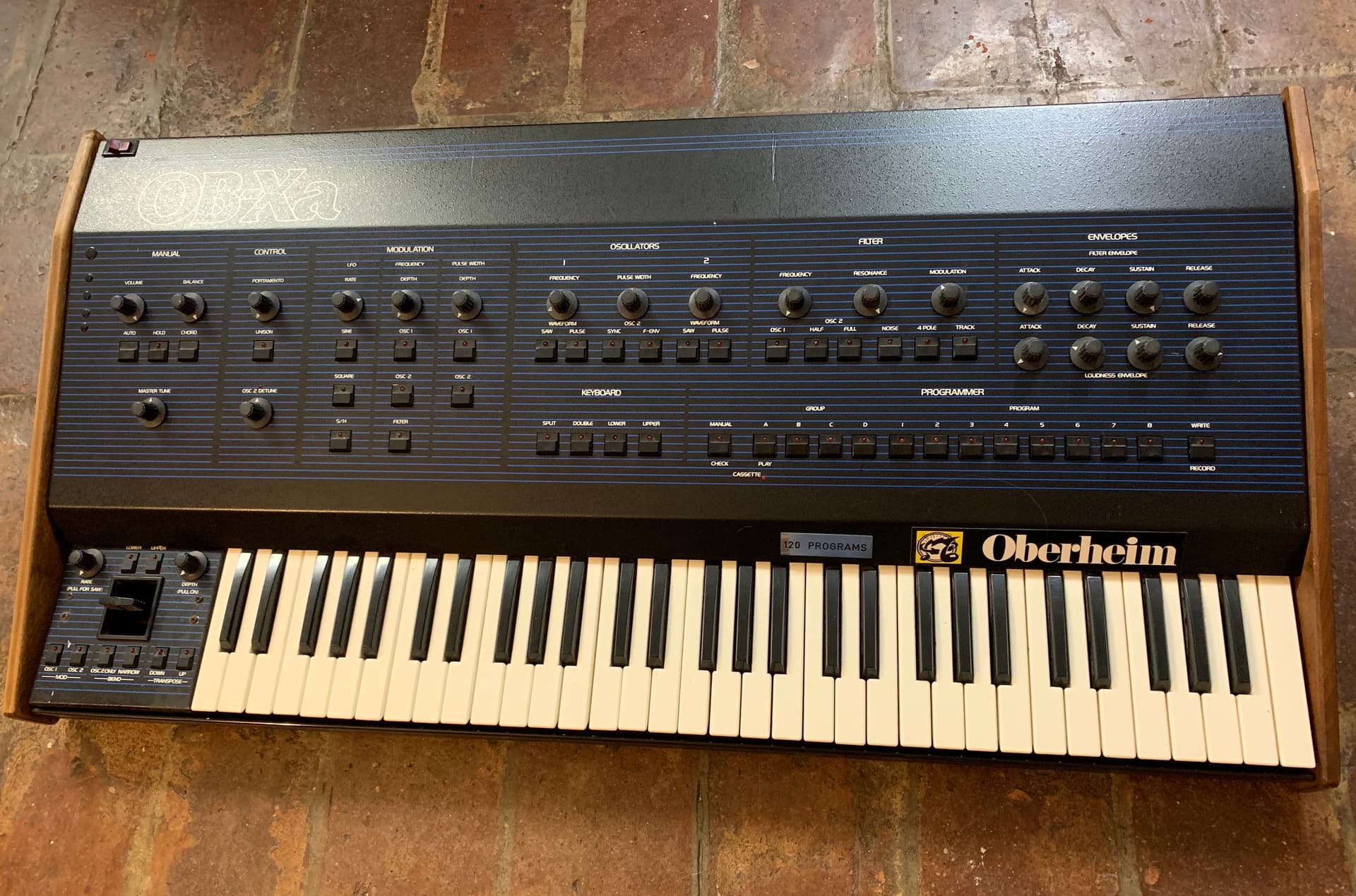
By contrast, the more common classics are the first place to look for price discipline. Today’s group of producers using Junos and Minimoogs is larger than ever, but a larger user base does not automatically mean higher prices forever when modern analog substitutes keep improving. The result is a split market: prestige pieces remain stubborn, while workhorse classics face more comparison shopping.
For owners, that means the gap between asking price and sold price matters more than it used to. A listing can sit on the market with a nostalgic number attached to it, but buyers are now weighing that number against a new synth that arrives fully working and under warranty.
Repair burden is now part of the price, not an afterthought
Vintage synth value is increasingly tied to service reality. The market pressure is shaped not only by collector enthusiasm and new analog hardware, but also by repair economics, and that is the part many casual sellers underestimate. Electrolytic capacitors age. Regulators fail. Keybeds get flaky. Shipping a fragile original across the country can wipe out the premium that looked so healthy in a listing photo.

That is why originality and service history have become the first things serious buyers inspect. Parts availability matters too, because a synth that can be serviced locally is worth more than an identical one that needs scarce components or a specialist bench time slot. In practice, a clean, recently serviced original can still outperform a rougher unit by a wide margin, while a cosmetically nice but electrically tired example can stall out fast.
This is where the downturn looks less like a crash and more like a sorting process. The pieces with documented maintenance, known repair paths, and sensible asking prices keep moving. The risky ones, especially the unrestored and untested machines, are the most vulnerable when buyers have a credible new alternative waiting on the other side of the checkout.
What the long price climb tells you about the next move
The current debate only makes sense against the longer arc. Analog synths became more expensive over years after a period of dormancy during the digital boom from the late 1980s through the early 2000s. That dormancy mattered because it helped create the conditions for the later surge: fewer players were hunting old hardware, then suddenly everybody was, and prices had room to run.
The run-up was not subtle. A 2023 Reverb price-guide report found some second-hand audio equipment had jumped more than 500 percent in price over the previous seven years. RA put some vintage synths ahead of the stock market in rate of appreciation.
The new hardware does not erase vintage demand. It simply interrupts the idea that every old analog box must keep appreciating at the same pace. That is especially true for models that are common enough to be compared directly against modern recreations, or common enough that a buyer can wait for a better example instead of chasing the first listing.
How to read the market right now
The practical way to move through this market is to treat each synth as a mix of tone, provenance, and service burden. A rare icon with a clean history can still justify a hard price. A mid-tier classic with tired caps, uncertain service records, and shipping risk is where the pressure is most likely to show up first. A restoration project is the hardest category to price confidently, because the buyer is not just buying an instrument, but also a repair timeline.
- Check originality before the logo.
- Ask for service records, not just cosmetic photos.
- Factor in repair economics before comparing asking prices.
- Treat modern analog rivals as real substitutes, not consolation prizes.
The inspection checklist has become the real buying guide:
This article was produced by Prism’s automated news system from verified source data, official records, and press releases, then run through automated quality and moderation checks before publishing. The system is built and supervised by the people who set the standards it runs under. Read our full AI policy.
Did this article answer your question?