Sojus Records Releases MAME-Based VST3 Emulation of the Ensoniq SD-1
Sojus Records just dropped a free, open-source VST3 of the Ensoniq SD-1/32 — a synth the MAME community says has never been emulated before.
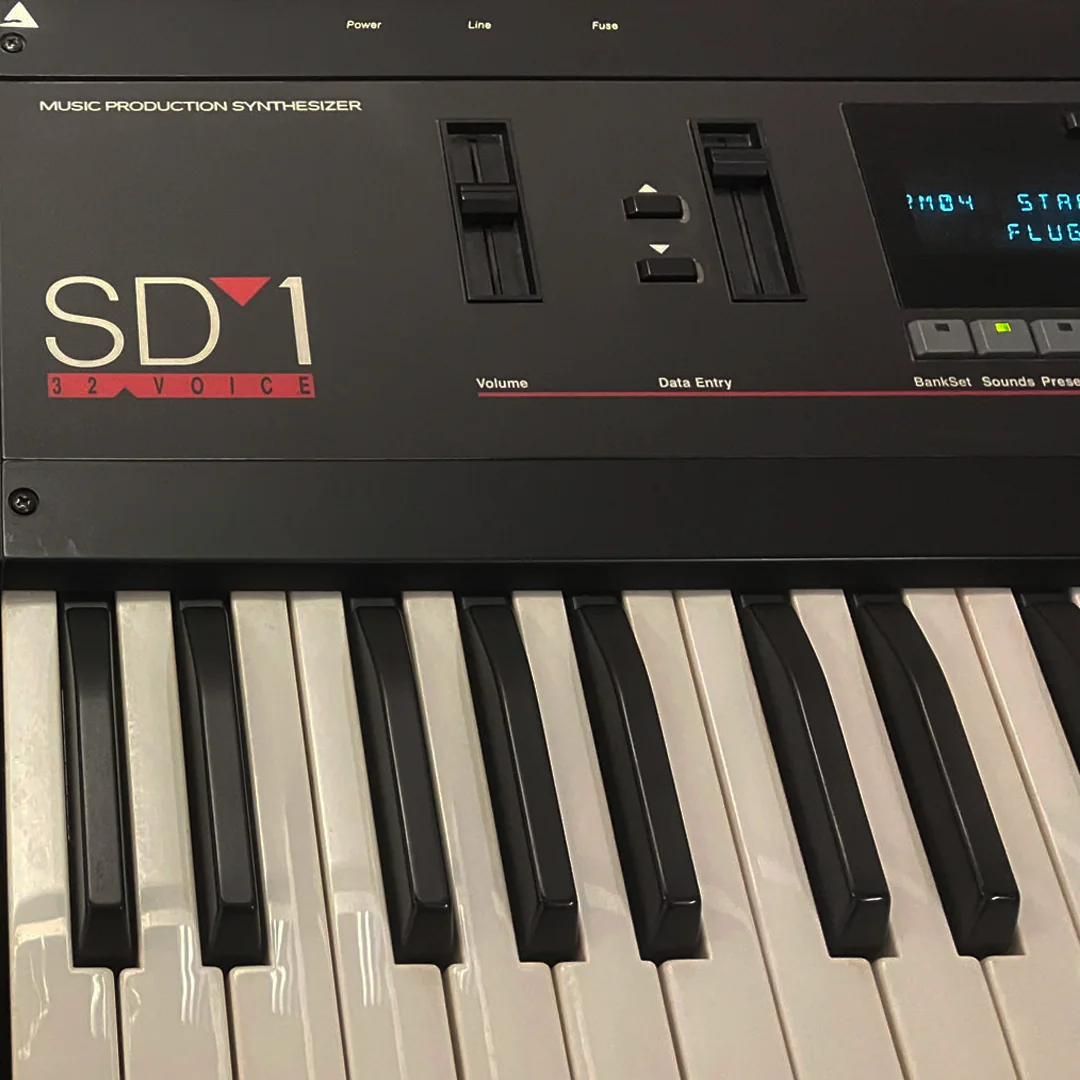
The Ensoniq SD-1 32-voice workstation has sat outside the reach of any plugin emulation — until now. Sojus Records, a long-running netlabel, published an open-source MAME-based VST3 of the SD-1/32 in mid-March 2026, with prebuilt binaries available for Windows x64 and macOS Universal Binary.
The project wraps MAME emulation inside a JUCE-based VST3 plugin, and the team is direct about both its ambitions and its origins: "We are musicians, not programmers, but we love old synths and emulations. We decided to build a fully featured VST3 version of the MAME-emulated Ensoniq SD-1/32, which has never been emulated before." The README attributes the technical breakthrough in part to AI tooling: "Thanks to the recent AI coding revolution, we have successfully built it."
Functionality claims are unambiguous. Under the "What's working?" section, the repository answers simply: "Everything." It then points readers to the original SD-1 manual via Polynominal for reference. The Features and Known Limitations sections exist in the repository structure but were left blank at the time of publication, which is worth noting if you're planning to drop this into a production session immediately.
The repository, sitting at 46 commits, includes JUCE project files for both platforms (EnsoniqSD1-MAC.jucer and EnsoniqSD1-WIN.jucer), a BUILD.md for anyone who wants to compile from source, a Mame_Patches folder, and a Source directory. There's also a Requirements entry pointing to sd132.zip, which suggests ROM or resource files are part of the setup process — something to investigate before assuming a clean install out of the box.
Licensing follows MAME upstream practices. Multiple components carry BSD 3-Clause notices crediting contributors including Nathan Woods, Olivier Galibert, Miodrag Milanovic, Wilbert Pol, R. Belmont, Michael Zapf, and Vas Crabb. The repo also credits the broader MAMEDev community with a blanket "and so many others. Thank you for your work."
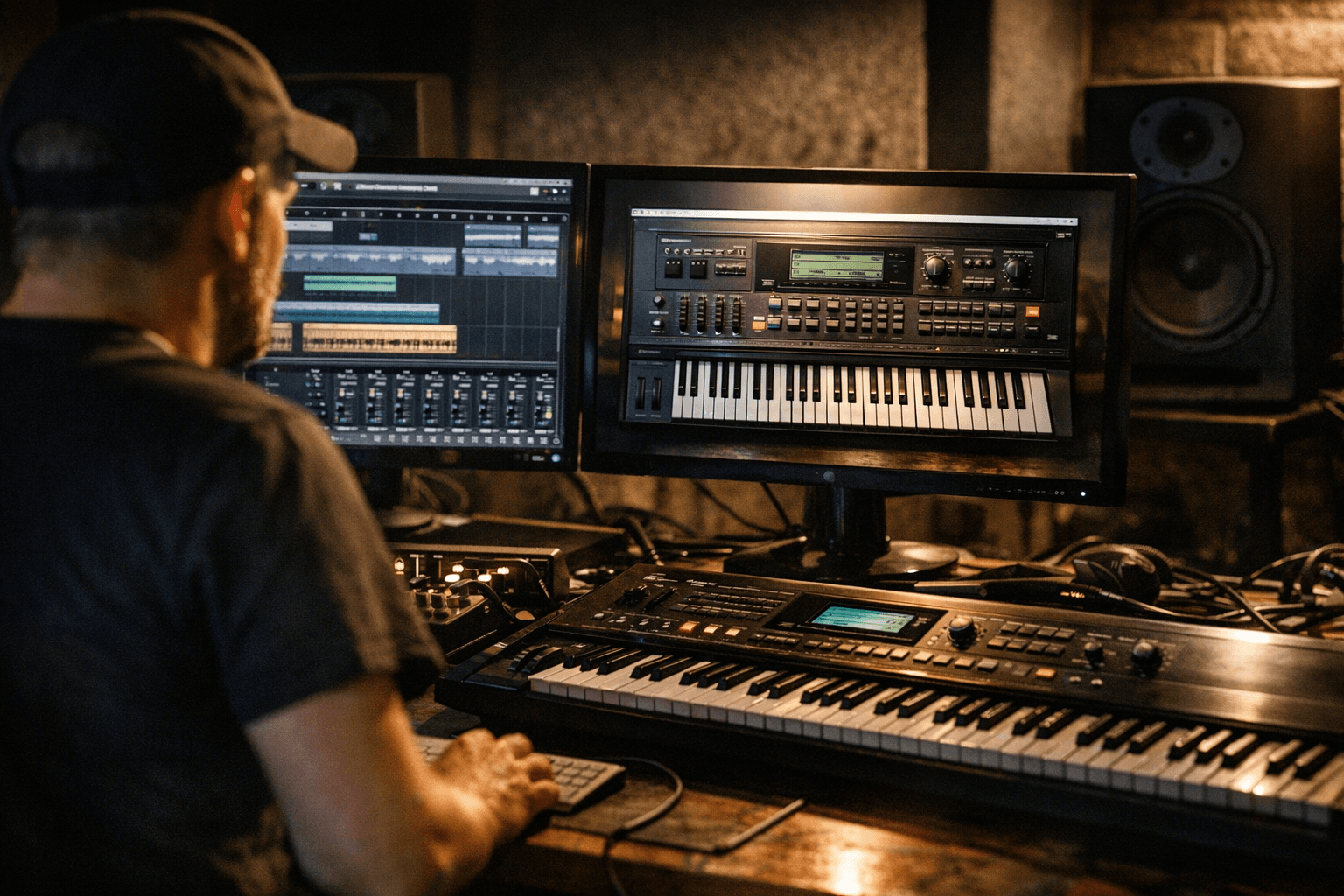
Sojus Records positions this as a stepping stone: "This proof-of-concept is an important step for both musicians and coders. We are looking forward to bringing other MAME synths to life in the future!" That last line is the one worth watching. If the methodology holds — MAME emulation core, JUCE wrapper, AI-assisted development — there's a plausible pipeline here for hardware that has otherwise been completely out of reach for DAW users.
Know something we missed? Have a correction or additional information?
Submit a Tip