Vintage analogue or modern modelling synth, choosing the right sound
The sticker price is only the opening bid. Vintage analogue buys character, but modern modelling usually wins on tuning, recall, weight, and lifetime hassle.
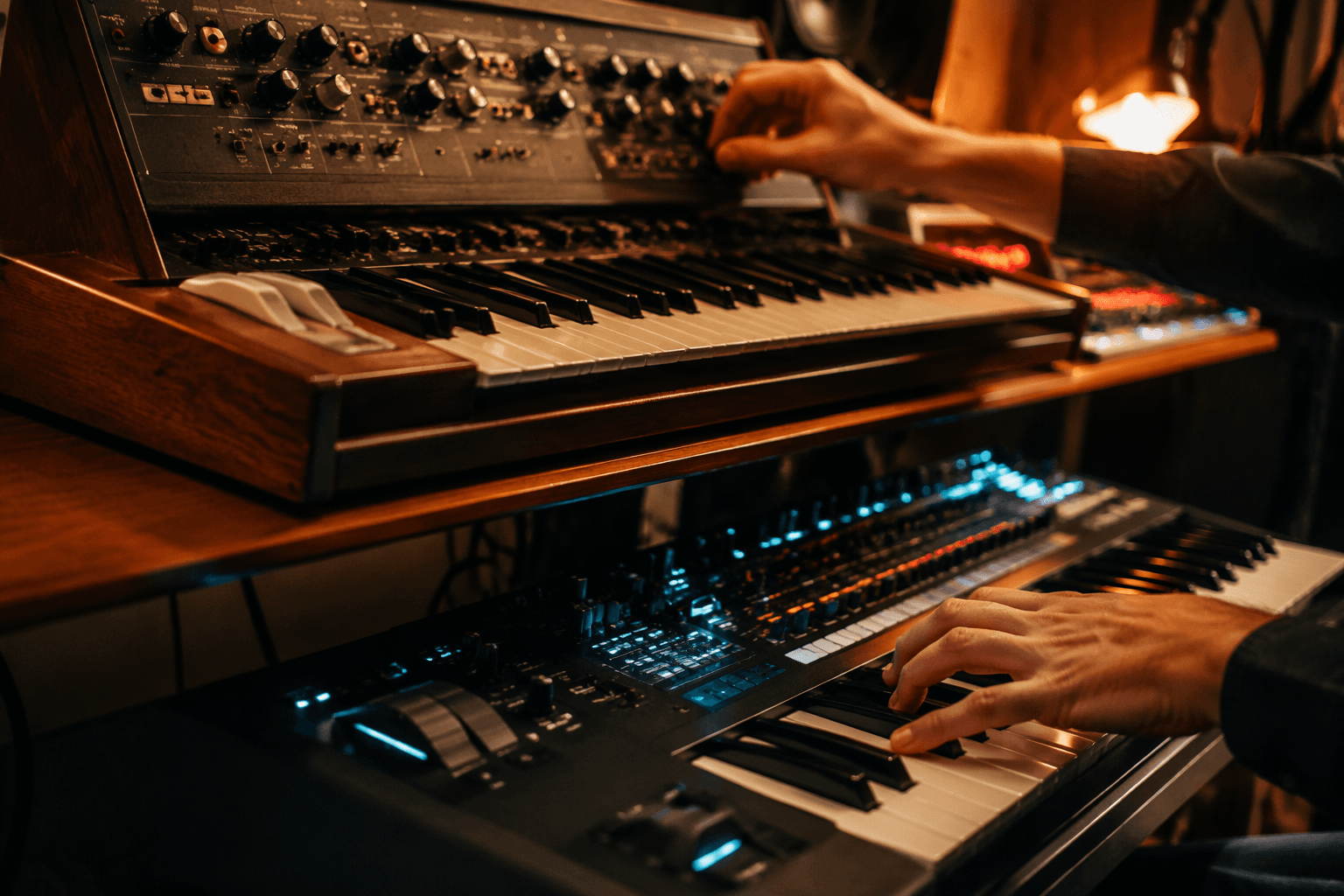
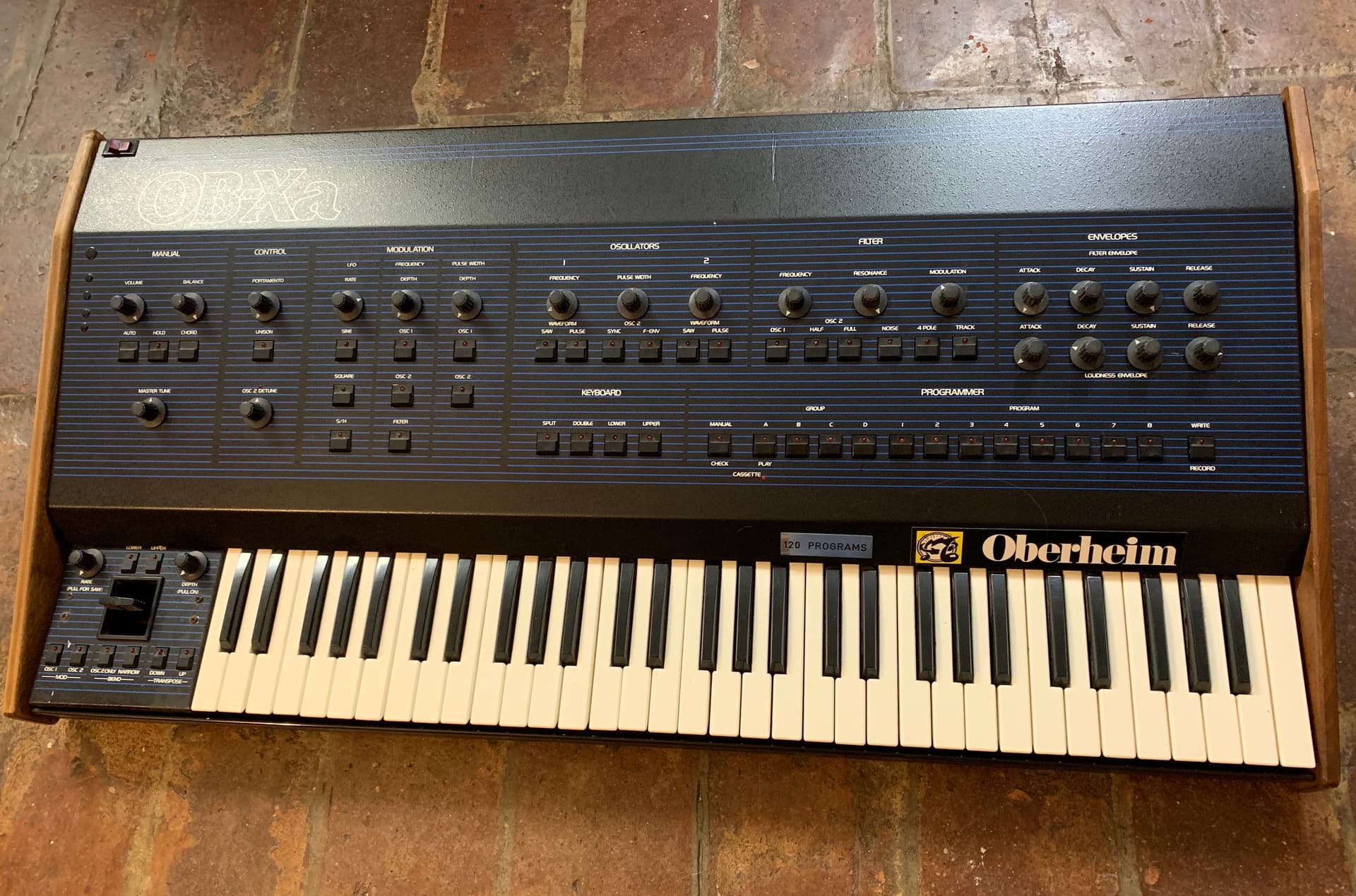
A rare vintage analogue synth can spend more time on a bench than under your hands. The first number to look at is not the asking price, it is the full bill you will carry after the sale. A vintage analogue synth can deliver the filters, envelopes, and oscillator behaviour that still pull players in, but the real question is whether that sound is worth ageing components, specialist servicing, transport risk, and the chance that a rare machine spends long stretches out of use.
Total cost comes before romance
In Sound On Sound’s “Q. Should I buy a vintage analogue synth or a modern modelling synth?”, the choice is between two very different ownership patterns. The vintage side often starts with the higher hidden cost, because the purchase is only the entry ticket and the upkeep can be part of the instrument’s life from day one.
Older analogue gear often needs specialist restoration, not casual tinkering; Kent Spong details that work in Sound On Sound’s “Restoring Analogue Synthesizers.” Across 22 classic synths in Reverb’s September 21, 2017 guide to the most common maintenance issues, the problems are routine enough that a serious inspection checklist is not optional when you are buying an original machine.
If you are comparing two instruments at the same sticker price, the one with the clearer service history is usually the safer bet. A vintage synth with undocumented modifications, drifting tuning, or worn components can turn into an ongoing project, while a modern modelling unit usually arrives with a lower entry price, stable tuning, memory storage, lighter weight, preset recall, and a more predictable resale story if you decide to move it on.
What vintage still does better
The reason people keep circling back to original hardware is not nostalgia alone. Vintage analogue synths can still produce a response that feels alive under the fingers, especially when the filters, envelopes, and oscillators interact in a way that no menu-driven interface quite mimics.
There is also a historical pull that modern gear cannot fully replace. Owning the real thing means owning the instrument as an object with a voice, a case history, and all the tiny irregularities that make each unit feel individual.
Still, the same features that make old instruments desirable also make them fragile investments. Tuning drift, ageing parts, and transport risk all sit in the background, and the moment you need a specialist bench, the ownership equation changes. Vintage authenticity makes the most sense when you want a studio centerpiece, are comfortable planning around downtime, and are willing to pay for preservation as much as performance.
Why modern modelling keeps winning daily jobs
Modern modelling synths get their appeal from the opposite promise: fewer headaches, more consistency, and more music per hour. Stable tuning, memory storage, lighter weight, preset recall, and a lower entry price are the core advantages, and those are exactly the features that matter when you need a synth to behave the same way on Tuesday night and Saturday afternoon.
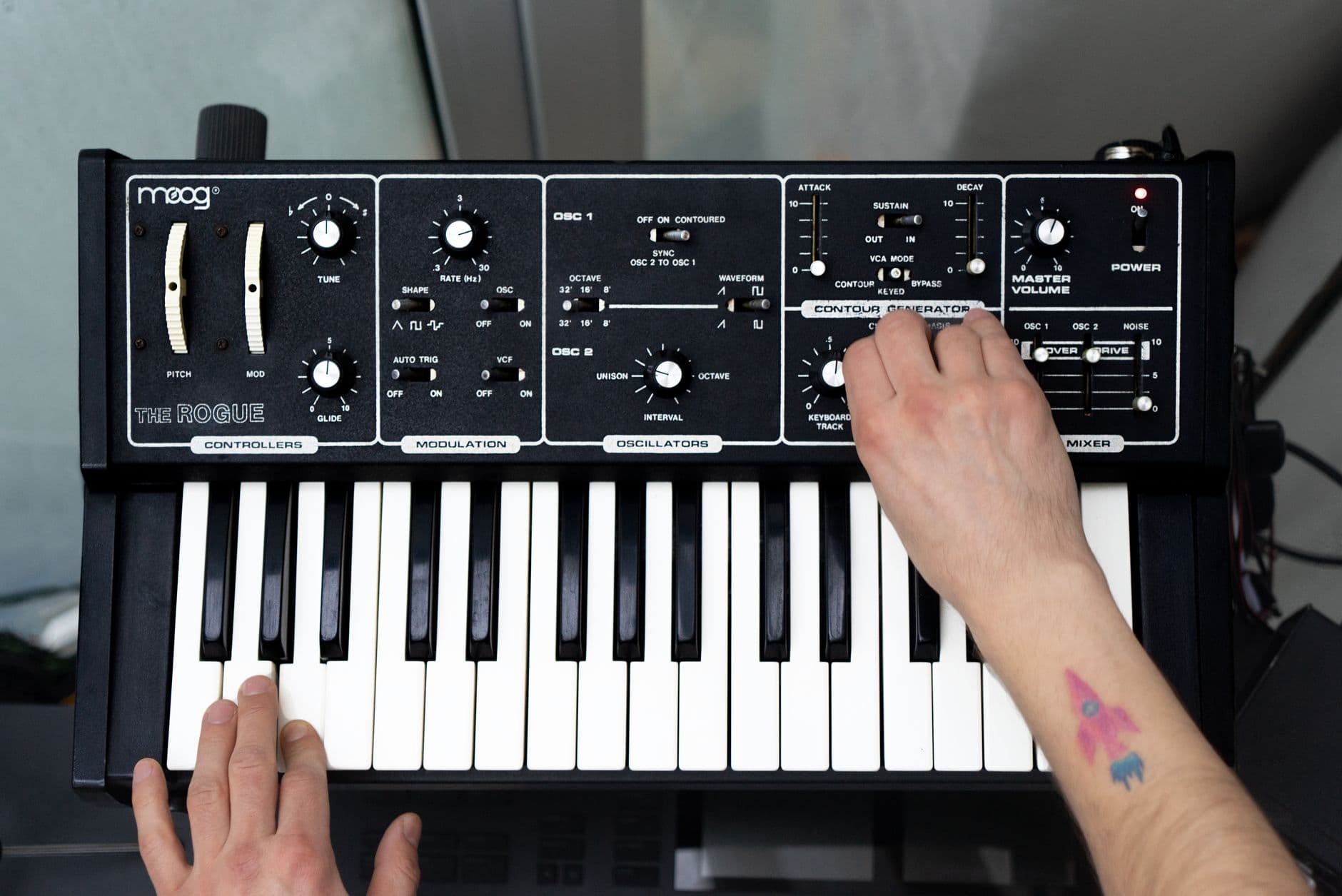
That reliability is not the same as sterile sound. It means the instrument is more likely to get used, moved, and programmed without turning into a repair schedule. If your work depends on fast recall, if you need to carry a keyboard to rehearsals, or if you simply do not want to think about calibration every time the room temperature changes, modelling has a real advantage.
Even then, “modern” does not automatically mean maintenance-free. Tim Shoebridge compared oscillator drift over time in Synthtopia’s October 7, 2018 piece on Behringer’s Model D, a reminder that even modern analogues can drift. The difference is that modern instruments usually make ownership easier, not perfect. They still need attention, but they tend to demand less of it.
The buying rubric that keeps the decision honest
The cleanest way to decide is to match the instrument to the job instead of the myth. If you want the feel of a classic machine, are hunting a very specific tonal behaviour, and are prepared to budget for restoration, vintage still makes sense. If you want dependable live use, quick programming, and a lower-risk purchase, modern modelling is often the smarter daily driver.
A practical checklist helps keep the decision grounded:
- If you need quick preset recall, choose modern.
- If you want the unpredictability of a particular analogue circuit, look vintage.
- If transport matters, lighter modern hardware wins.
- If servicing access is good and the machine has a documented restoration history, vintage becomes easier to justify.
- If you want to avoid downtime, modern is the safer path.
That middle space is larger than it used to be. Hardware reissues, software emulations, and analog effects are viable ways to get into classic territory without taking on full collector-grade responsibility; Thomann includes them in its guidance on creating vintage synth sounds on modern gear. MusicRadar’s synth-buying coverage now sorts the market into categories like best analogue, best budget, and best poly synth.
How to think about the 90 percent solution
The hardest part of this choice is admitting how often “close enough” is actually enough. If a modern instrument gets you 90 percent of the sound, plus memory storage, stable tuning, and a far easier gig bag life, that may be the correct answer for most sessions and most stages. The last 10 percent is where vintage authenticity lives, and that final stretch is exactly where the costs, the repairs, and the waiting begin.
This article was produced by Prism’s automated news system from verified source data, official records, and press releases, then run through automated quality and moderation checks before publishing. The system is built and supervised by the people who set the standards it runs under. Read our full AI policy.
Did this article answer your question?