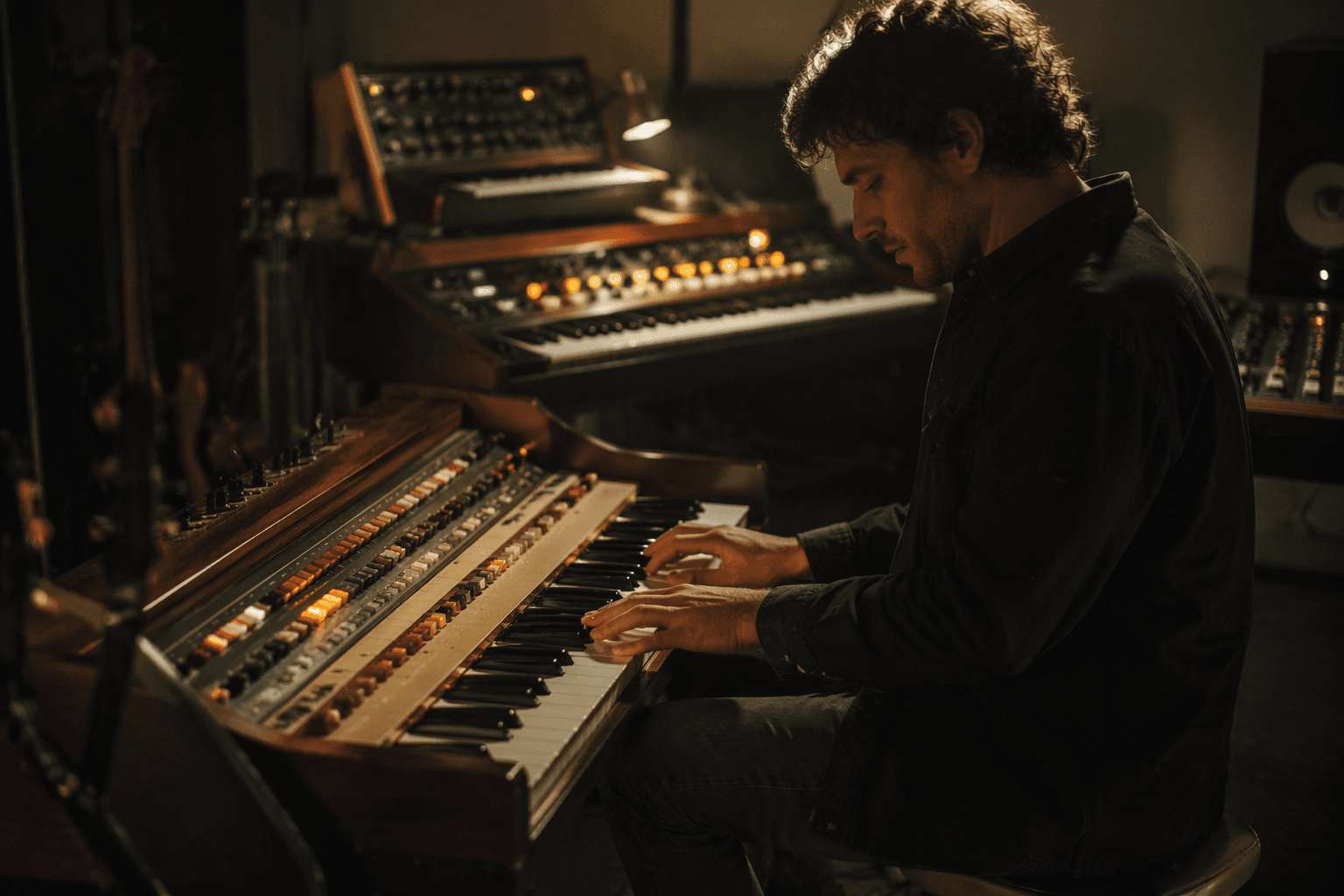
Vintage Synthesizer Museum Hosts Hands-On Subtractive Synthesis Workshop in Los Angeles
The Vintage Synthesizer Museum put real analog and modular synths in front of attendees for a four-hour lesson in oscillators, filters, envelopes, and modulation.
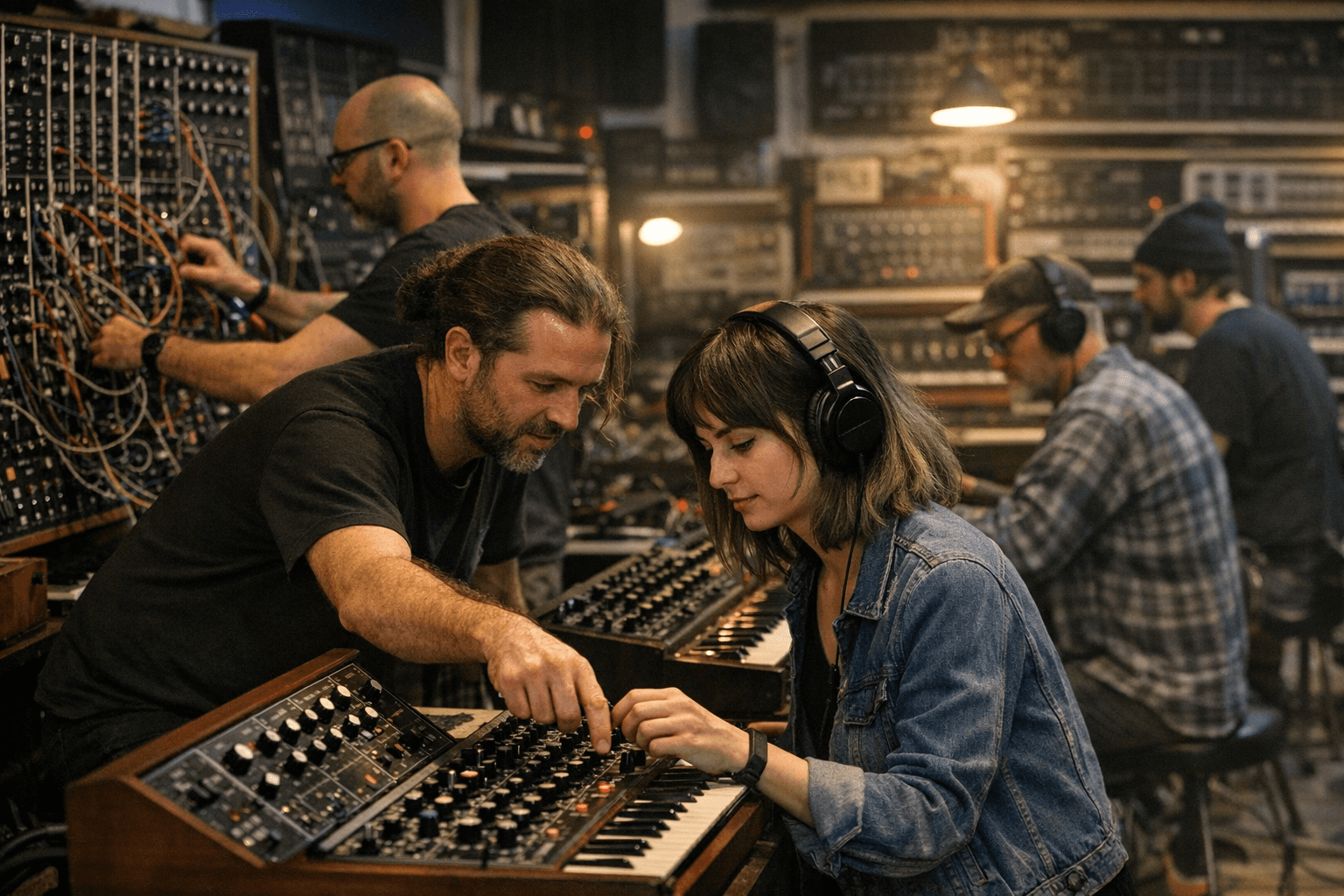
The Vintage Synthesizer Museum gave Los Angeles players, collectors, and curious newcomers a rare chance to learn subtractive synthesis the old-school way: by putting their hands on real analog and modular synths and hearing how each control changed the sound. The hands-on workshop ran Saturday, April 18, 2026, from 12:00 PM to 4:00 PM at 1200 North Avenue 54 in Los Angeles, and the format made the basics immediately concrete.
That mattered because the core building blocks of classic monosynth design, oscillators, filters, envelopes, and modulation, are easy to describe and much harder to internalize until you actually move the knobs. A low-pass filter stops being an abstract term once a sound opens up under your fingers. An envelope stops being theory once you hear the attack and decay reshape a note in real time. On vintage-style instruments, that kind of direct control is part of the point, and the workshop leaned into it.
For owners of Minimoog-style and ARP-style machines, the payoff was practical. The session gave attendees a way to understand signal flow as a working system instead of a diagram, which can make both sound design and troubleshooting less intimidating. Learning on real hardware also showed why these instruments continue to reward experimentation, especially when the panel invites quick changes and immediate feedback rather than menu diving.
The museum’s setting turned the class into more than a basic lesson. It reinforced the idea that a vintage synth museum can function as an active learning space, not just a display room for preserved gear. By keeping analog and modular instruments in use, the workshop helped connect preservation with education, which is exactly the kind of bridge the vintage synthesizer community depends on when new players are trying to understand why classic keyboards and modules still matter.
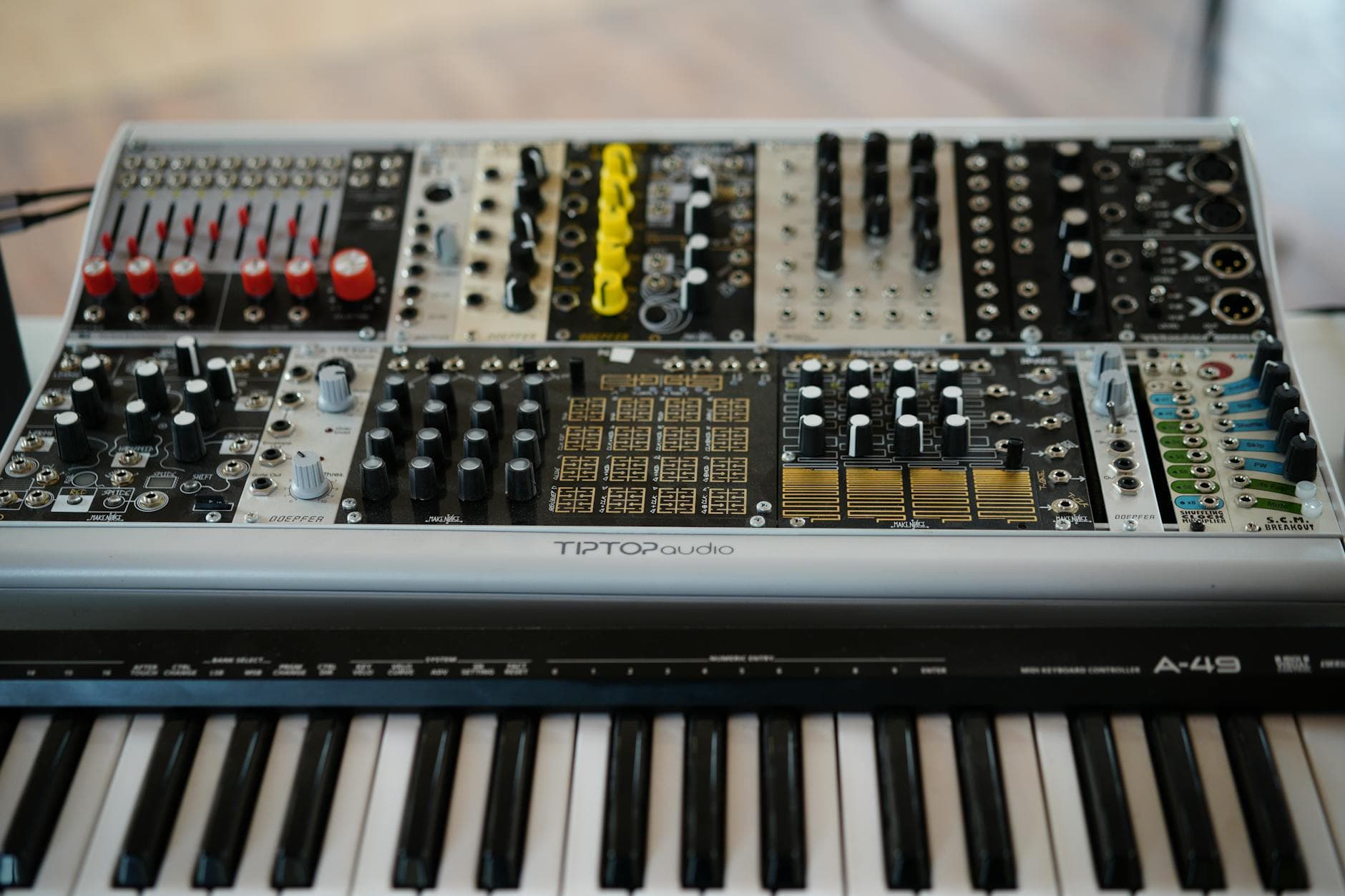
That bridge is especially important in a scene where much of the knowledge around old synths gets passed along through ownership, repair, and hands-on use. A four-hour session like this lowers the barrier for someone approaching older hardware for the first time, while also giving experienced owners a clearer way to explain why subtractive synthesis remains the foundation of so many iconic sounds.
This article was produced by Prism’s automated news system from verified source data, official records, and press releases, then run through automated quality and moderation checks before publishing. The system is built and supervised by the people who set the standards it runs under. Read our full AI policy.
Did this article answer your question?