11th edition may create a new Warhammer 40k small-game format
11th edition’s detachment budgets could turn 1,000-point 40k into its own real format: faster, tighter, and far easier to play on a budget.
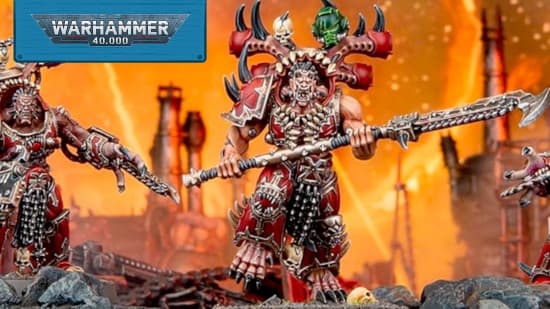
Games Workshop has put a price on detachment identity, and that may be the most interesting small-game change in 11th edition. At 1,000 points, you get 2 Detachment Points, while 2,000-point games get 3, which means some of the flashiest 3-point detachments simply do not fit in the smaller format. That is not just a list-building quirk. It is the kind of rule that can accidentally create a whole new way to play Warhammer 40,000.
How the new detachment budget works
The important bit is not just that detachments are back, but that they now have a point cost attached to them. Warhammer Community says the new edition includes 70 new detachments, and those detachment costs range from 1 to 3 points, with narrower, gentler rules sitting at the low end and broader army-wide boosts costing more. Games Workshop says all of those costs will be published in the Munitorum Field Manual.
That creates a very clean split in game size. In Incursion games at 1,000 points, your 2 DP cap forces hard choices. In Strike Force games at 2,000 points, 3 DP gives you more room to stack a broader package with a narrower specialist one, which is exactly why small games may start to feel like their own format instead of a shrunken version of standard matched play. Warhammer Community’s older army-building explainer already framed Incursion as 1,000 points, Strike Force as 2,000, and Onslaught as 3,000, while also saying 500-point games were possible but that the core rules were optimized for slightly larger forces.

Why 1,000 points may end up better, not worse
This is where the whole thing gets fun. If a 3-point detachment is too expensive for 1,000 points, then the small-game meta stops being a miniature copy of 2,000-point play and starts rewarding focus. You are pushed toward tighter army concepts, cleaner synergies, and a single battlefield identity instead of trying to cram every tool into a list that is already starved for points. That is exactly the argument Wargamer makes: the detachment system may have spawned a weird 1,000-point format that is actually more thematic and more enjoyable than the default small game we have been used to.
For a lot of players, that is not a limitation. It is an upgrade. A 1,000-point army is cheaper to build, faster to paint, easier to transport, and much easier to finish in one evening. If you are time-poor or you are trying to get someone into the hobby without asking them to buy and assemble 2,000 points before they understand their faction, this system lowers the barrier in a very practical way. The surprise is that the restriction may make the game more approachable, not less.
There is also a nice side effect for list builders who like to test ideas. Small games become a cleaner place to experiment with one detachment identity, one mission plan, and one model pool, instead of treating every event as a full-scale army exam. That makes 1,000 points feel less like a compromise and more like a deliberate format, the same way Magic: The Gathering gives different constructed spaces different jobs. The underlying point is simple: if the strongest detachments are being priced for 2,000 points first, then 1,000-point 40k can develop its own norms, its own matchup expectations, and its own standards for what a good list looks like.

- Faster games, because fewer units and fewer overlapping rules usually mean shorter turns.
- Lower entry cost, because you can build around a smaller collection without feeling underpowered.
- Cleaner themes, because the detachment budget rewards committing to a clear battlefield identity.
- Better testing, because local leagues and one-off nights can trial faction ideas without demanding a full 2,000-point commitment.
What events are likely to do with it
The organized-play angle matters just as much as the casual one. Warhammer Community’s new Event Companion materials are built to support tournaments, doubles, teams, and Dominatus events, and the main companion covers mission sequence changes, pairings, rankings, base sizes, and recommended terrain layouts. It also introduces Force Dispositions, which are locked in from your list and stay fixed for the entire event, giving players a predictable set of missions to prepare for.
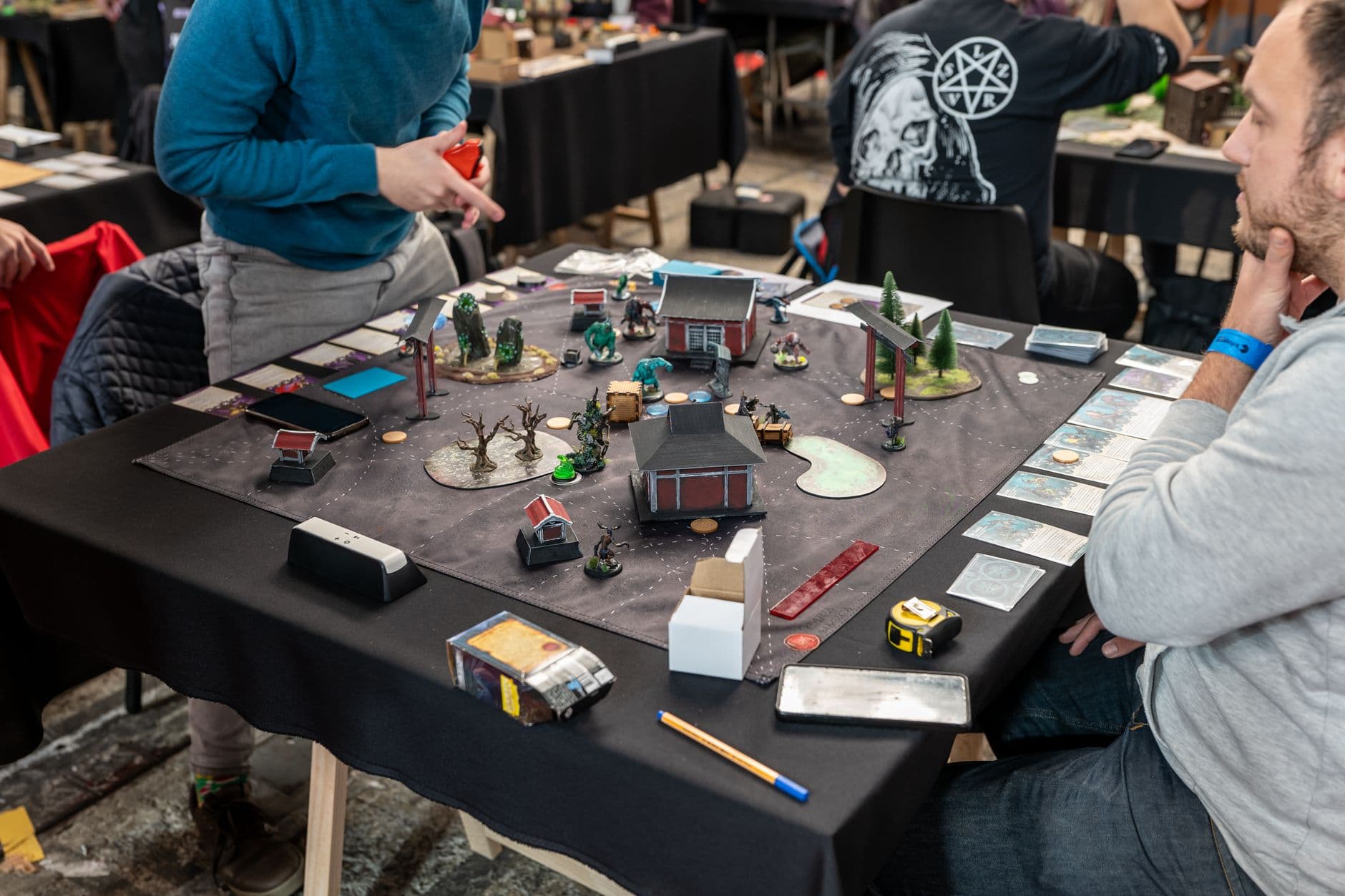
That matters because the moment a company standardizes event support, small-game play stops being an afterthought. Frontline Gaming reports that Games Workshop intends to clarify how a single 3DP detachment will work at 1,000 points in event contexts, which suggests the studio is already thinking about edge cases instead of leaving local organizers to guess. Even if casual groups ignore the cap and house-rule around it, tournament packs now have a framework that can make 1,000-point events feel deliberate rather than improvised.
The bigger picture is that 11th edition is not just changing armies, it is changing what counts as a normal game. With Armageddon set to launch on Saturday, June 20, 2026, the new rules arrive with a day-one structure for smaller games, larger games, and event play instead of one generic matched-play blob. If Games Workshop keeps supporting that split, the 1,000-point format could become the easiest on-ramp for newcomers and the best low-commitment testing ground for veterans.
That is the strange win here. A system that was supposed to make detachment choice more flexible may also give 1,000-point 40k a real identity of its own. If that sticks, the smallest legal game size will not feel like a watered-down version of the real thing. It will feel like the first format in 11th edition that actually knows what it wants to be.
This article was produced by Prism’s automated news system from verified source data, official records, and press releases, then run through automated quality and moderation checks before publishing. The system is built and supervised by the people who set the standards it runs under. Read our full AI policy.
Did this article answer your question?