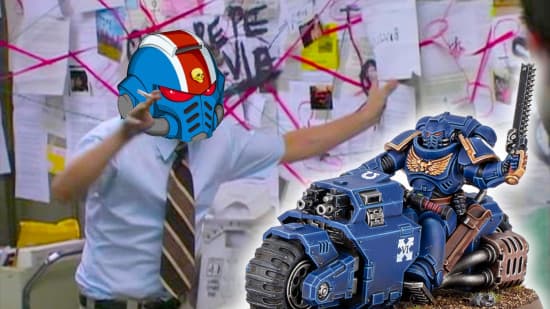
Competitive 40k Meta Tightens as Deathwatch Face Astra Militarum Firepower
Deathwatch into Guard is the week's cleanest snapshot of 10th: pressure still matters, but the best lists now win by soaking the punch and firing back harder.
The meta is tightening, not settling down
Competitive Innovations came back on May 9 with the kind of weekend roundup that tells you more about 10th Edition than any single trophy ever could. The slate was stacked across regions, with the Rocky Mountain Open, Münsterland Major, Nidaros Grand Tournament, Diamond Series GT, Trono de cráneos, the Richmond Open, BAJIO OPEN, the Corsair Open, WWAAAGGGHHHH before the Wedding, Grand Tournoi 40K, the San Diego Classic, and the Moscow GT all feeding the same larger question: what actually wins right now?
The answer is less dramatic than a runaway faction and more interesting than that. The top tables still show a healthy spread of armies, but the game has a crabby, defensive feel. The same high-efficiency archetypes keep resurfacing in different shells, which means the format is not frozen, but it is getting harder to bully opponents off the board with one clean plan.
Why the Deathwatch into Astra Militarum pairing matters
The headline matchup in this round of results is useful because it exposes the real stress point in the current meta. Deathwatch wants to convert into Bastion Task Force, slam forward, and force the opponent to deal with immediate pressure. That is the right instinct into plenty of lists, especially ones that fold when their midboard piece gets tagged early.
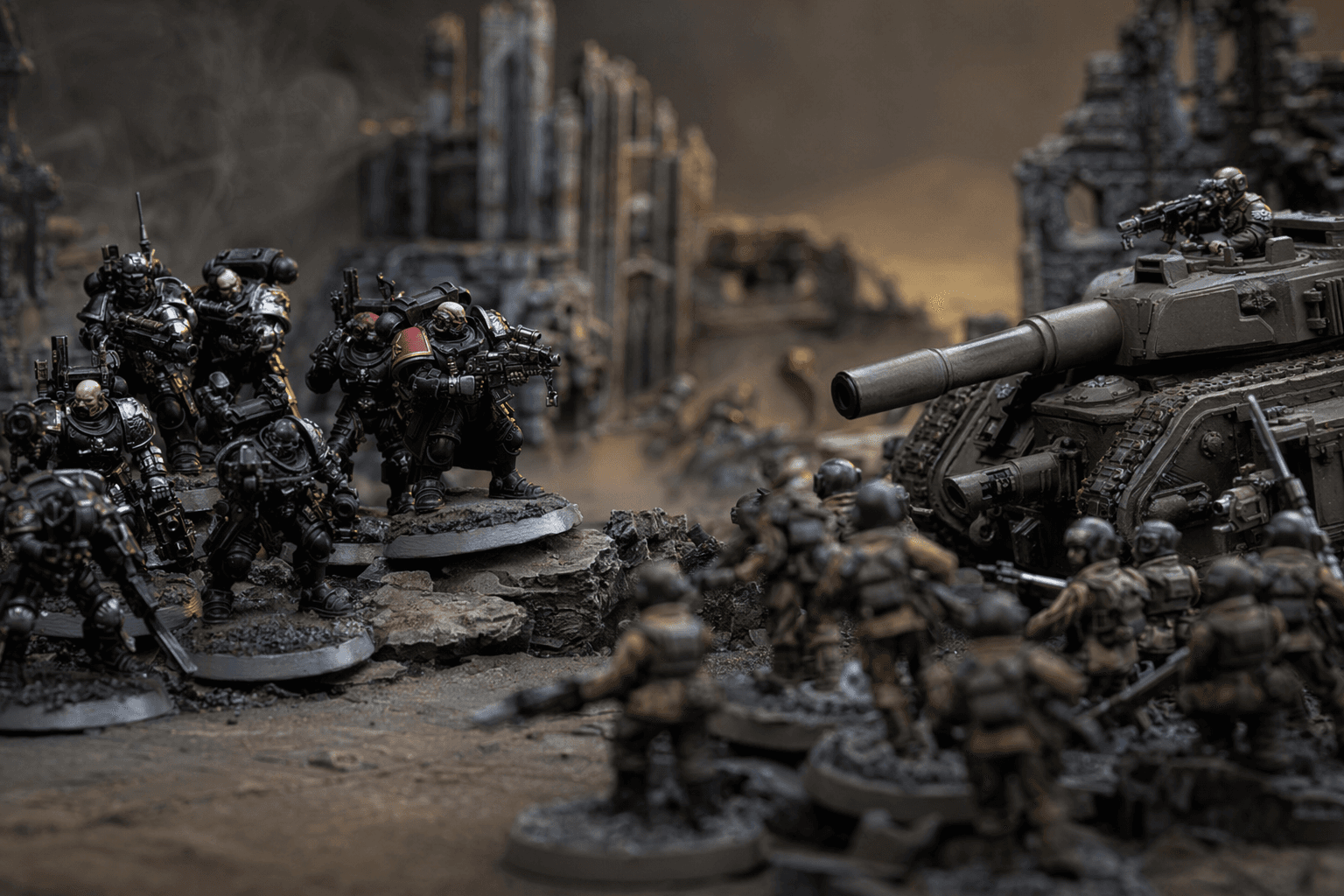
Astra Militarum, though, is built to punish that exact idea when it is assembled correctly. The Guard list in this showdown brings enough guns, transports, and durable centerpiece units to absorb the opening hit, stay functional on the table, and then return fire with interest. That matters because it turns what should be a smash-and-grab into a trade war, and trade wars are where efficient Imperial lists tend to feel most at home.
This is the kind of game that reminds you how narrow the margins are at the top. If the Deathwatch player gets the angle wrong, the assault stalls out and the Guard just keeps scoring behind layers of bodies and armor. If the Guard mispositions, the whole list can get pinned and smothered before its firepower starts to matter. In other words, the matchup is not about raw faction swagger. It is about whether the player can make the list do the hard work on the right turn.
What the weekend slate says about the broader field
Even with all the event names piled into one weekend, the takeaway is not that one army is running away with the game. It is that several factions can still show up in the strong finishes when the pilot knows the mission and the list is built for the room. That is a healthier sign than a one-faction pileup, but it also shows how little room there is for sloppy construction.
The field remains broad enough that Chaos, Defilers, and other hot-tech lists are part of the conversation, but they are not the whole conversation. Guard, Tau, and Aeldari all still have paths to break through, and that matters because it suggests the meta is rewarding precision rather than just whatever the loudest new build happens to be. When those armies do well, they are usually doing so for the same reason: they are tuned to survive the first exchange and exploit mission play after that.
That is why the weekend roundup feels less like a victory lap for one codex and more like a stress test of 10th Edition’s current shape. The strongest lists are not necessarily the flashiest. They are the ones that can force bad trades, survive a counterpunch, and keep scoring while the opponent runs out of clean answers.
The recurring shape of the winners
Look across the top-table results and a pattern emerges fast. The armies that keep appearing are the ones that combine board control with enough efficiency to punish overextension. That can mean durable shooting, layered transports, or a centerpiece unit that forces the enemy to commit too much to remove it. It is not subtle, but it is effective, and it explains why the same archetypes keep reappearing even when the faction names change.
This is also why the current environment feels defensive without being stale. There is still variety in the winners, but that variety is happening inside a fairly tight strategic box. Most of the successful lists are not trying to race the opponent in a straight line. They are trying to control who has to expose first, which objective gets contested first, and which expensive unit gets traded away first.
For players, the practical lesson is simple: list construction now has to answer two questions at once. Can it survive concentrated return fire, and can it still project enough threat to punish the opponent for playing safely? If the answer to either is no, the list is probably going to get squeezed out by the same efficient shells that keep showing up on weekend top tables.
What this means for your next event
The strongest signal from this weekend is that mission awareness and matchup planning still matter as much as faction choice. A clever pilot with the right tools can absolutely spike a result, even in a field where people keep calling the same archetypes “hot-tech.” That is especially true for Guard, Tau, and Aeldari, which continue to prove that they can still break through when they are tuned for the exact tables they expect to see.
That also means the margin for overconfidence is thin. Deathwatch into Astra Militarum is the clean lesson: if your plan is to hit hard and hope the opponent folds, you can get punished by lists that are built to survive that first blow and answer back immediately. The better answer is a list that can switch gears, play the mission, and keep pressure on without handing away its best pieces for free.
The meta is not locked, but it is sharpening. The armies that rise now are the ones that can do more than look scary on paper. They have to absorb punishment, dictate trades, and keep scoring when the game turns ugly. That is where 10th Edition is right now: not solved, but brutally honest about which lists can really handle the fight.
This article was produced by Prism’s automated news system from verified source data, official records, and press releases, then run through automated quality and moderation checks before publishing. The system is built and supervised by the people who set the standards it runs under. Read our full AI policy.
Did this article answer your question?