Warhammer 40,000 Chapter Approved deck reshapes armies around mission roles
The new Chapter Approved deck makes army choice part of the mission itself, so every game starts with a clearer job and a sharper tactical identity.
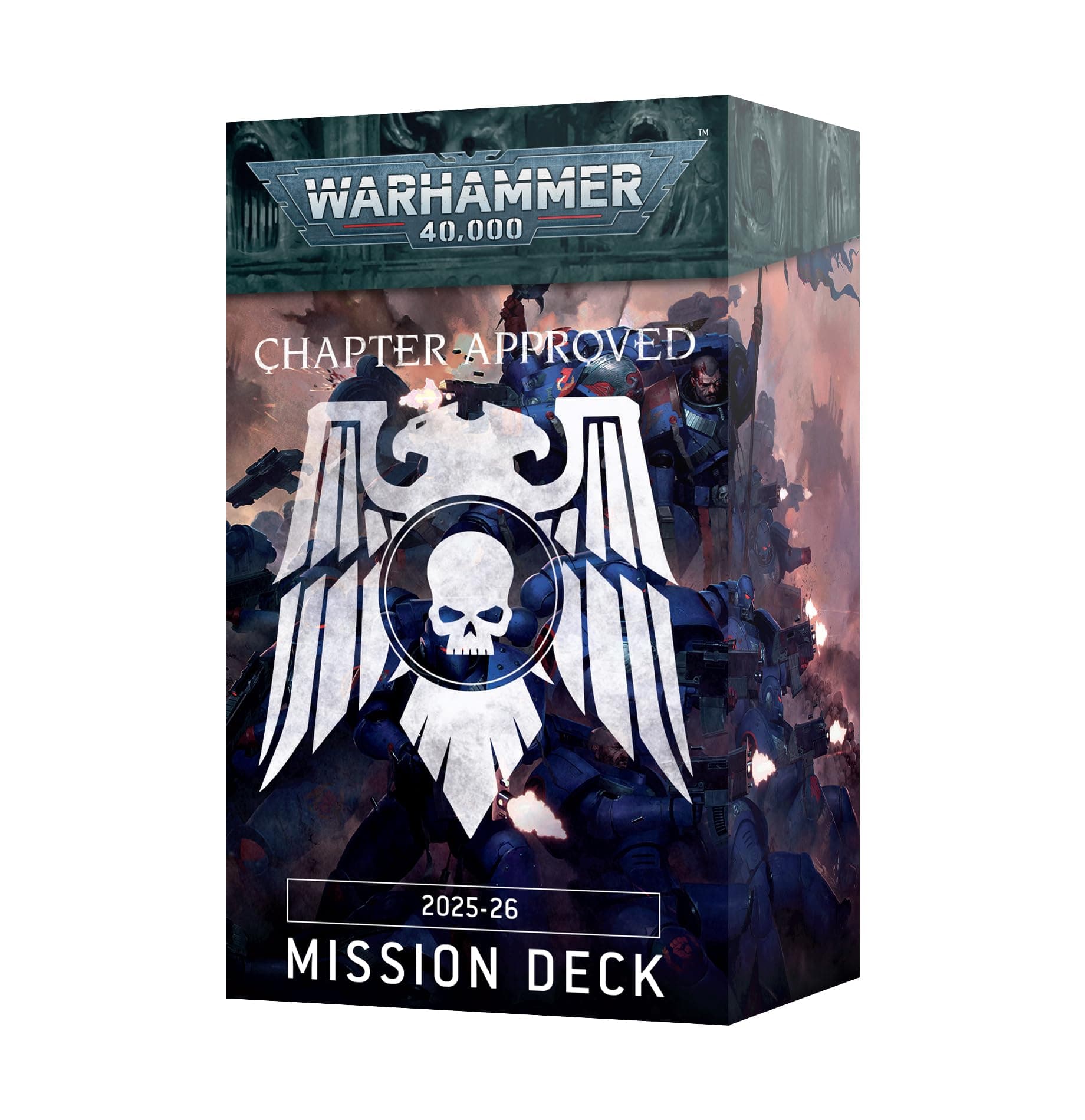
The big change is not just a new card deck. It is the idea that your army now arrives with a job description. Warhammer 40,000’s new Chapter Approved system asks a different question from the old “how do I kill faster?” mindset: what did you build this force to do in the first place? That shift matters because it pushes matched play away from generic brawls and toward armies that feel like they were designed for a specific battlefield purpose from the moment you set them on the table.
Force Dispositions are the engine behind that change. The deck organizes armies around five broad strategic identities: Take and Hold forces that push to seize ground, Purge the Foe armies built to annihilate the enemy, Reconnaissance elements, Disruption forces built around sabotage, and Priority Assets style defenders protecting key objectives. Each detachment in the new edition is linked to one of those dispositions, so your list is no longer just a bundle of rules and buffs. It is part of a mission framework that tells you, and your opponent, what kind of battle this army is meant to fight.
That linkage changes how games unfold before the first dice are rolled. Instead of both players drifting toward the same familiar kill-and-score rhythm, each Force Disposition interacts with the other army’s identity to shape the mission you actually play. A Purge the Foe force, for example, faces a very different puzzle when matched into a stubborn Take and Hold army than it does against a slippery Reconnaissance force or a sabotage-minded Disruption detachment. That is the clever part of the design: the mission is not sitting above the armies as a neutral packet. The mission is built out of the armies themselves.
For matched-play groups, that means setup and mission flow should feel cleaner and more personal. The deck contains 15 individual mission matchups, all built from the five Force Dispositions, so the pairing in front of you creates a distinct strategic problem rather than a generic “go score points” script. The Warhammer Community preview also makes clear that each matchup comes with its own deployments and mission objectives, which is exactly what gives the system its table-side personality. In practice, that should make the first turn matter more, because you are not just reacting to terrain and units. You are reacting to the specific battle plan your army was built to execute.
The other quiet win is how much friction it removes from casual play. The deck includes maps that show where objective terrain should sit based on deployment zones, giving players rough guidelines for casual boards instead of forcing every pickup game to become a terrain negotiation. Warhammer Community frames that as a way to get a battlefield down and start rolling dice within minutes, which is a real quality-of-life upgrade if you have ever lost half an evening to arguing over objective spacing and ruined sightlines. That is not a tournament-only convenience. It is the kind of practical tool that makes a normal game night actually happen.
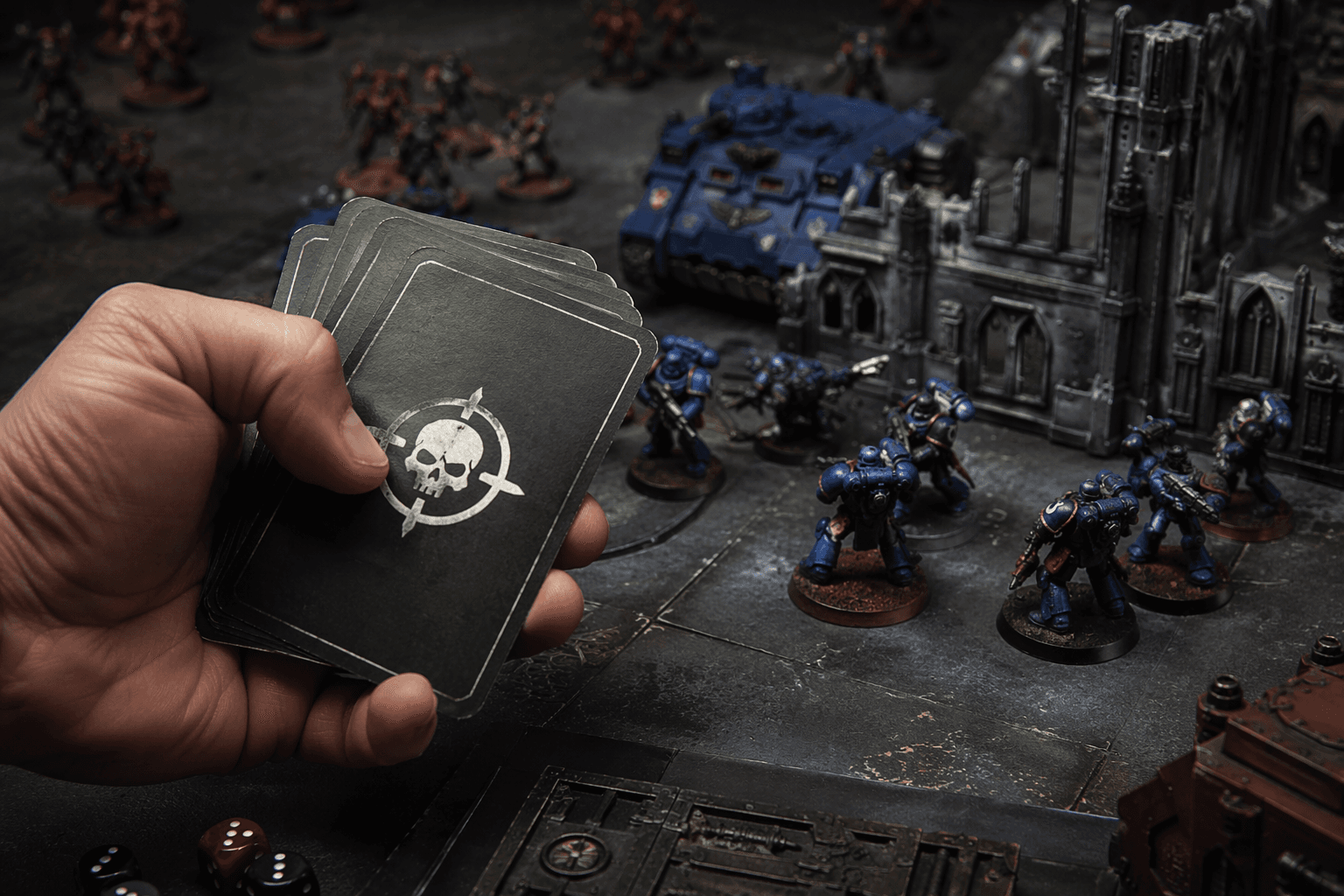
List-building gets tighter, and that will reward some armies more than others. Because each detachment is tied to a Force Disposition, army construction is now closer to mission design than it has been in recent Chapter Approved seasons. The preview even points out that you can build an army with multiple detachments linked to different dispositions, such as one tied to Take and Hold and another to Priority Assets, which opens the door to more flexible battle plans across a collection. That flexibility should appeal to players who like to tune for different opponents, but it also raises the cost of lazy list building: if your army does not clearly know what it is for, the mission system is going to expose that fast.
That is why the early reaction around this deck is best read as a test of whether Games Workshop has finally solved an old complaint about matched play. Players have long wanted missions that feel less like a universal template and more like an actual scenario with stakes, terrain logic, and an army identity that matters. This system looks aimed squarely at that problem, because it ties list construction, deployment, and scoring into one flow instead of treating them as separate boxes to tick. The result should be games that feel more purposeful from deployment to final points tally, which is exactly what Chapter Approved has been trying to promise for years.
By the time you place the last objective marker, the point of the new deck is already visible: the army on your tray is not just a stat line with some stratagem support. It is a plan, and the mission grows out of that plan. That is the real change here, and it is why the Chapter Approved deck feels less like a product insert and more like a new way to understand what a 40k game is supposed to be.
This article was produced by Prism’s automated news system from verified source data, official records, and press releases, then run through automated quality and moderation checks before publishing. The system is built and supervised by the people who set the standards it runs under. Read our full AI policy.
Did this article answer your question?