Warhammer 40k 11th edition coherency turns geometry into battlefield advantage
A tiny coherency mistake can crack a whole game open. In 11th edition, spacing, screening, and terrain footprints quietly decide who keeps control.

A unit that is half an inch out of place can lose the whole exchange. In 11th edition, coherency is the geometry that decides whether a screen holds, a deep strike gets shut out, and an objective line survives once casualties start coming off the board.
Why coherency is the real movement test
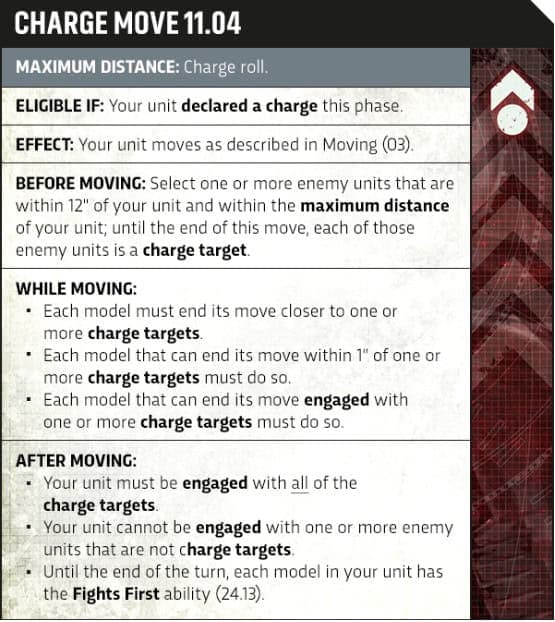
Robert "TheChirurgeon" Jones treats coherency as a table-state issue, not a rules footnote. The hard edge of the rule is simple: the 2024 rules commentary says that if a unit cannot end a move in unit coherency, it cannot make that move and returns to its previous positions. That means a bad shuffle can do more than look sloppy. It can strand a unit, break a screen, or force you to abandon a planned advance before it ever pays off.
Coherency matters most when the board is crowded. Casualty removal, redeployment, deep strike denial, and objective play all punish loose spacing. A unit that starts stretched out can become illegal the moment a few models are removed, while a unit that is packed with purpose can keep its shape, keep its threat, and keep the lane blocked.
11th edition makes the map matter more
Games Workshop’s 11th-edition terrain rules split the board into two pieces: terrain features and terrain areas. That sounds tidy on paper, but it changes how you think about footprint, distance, and where a legal move actually ends. The official Terrain Area Set includes 16 double-sided card terrain bases in five different shapes, making footprint management part of the core game.
The Warhammer 40,000 Event Companion includes an up-to-date list of base sizes for all units, plus recommended terrain layouts and three terrain layouts per mission for event organizers to choose from. The Chapter Approved Mission Deck 2026-27 adds another layer of standardization with 88 cards, enough for two players, plus six terrain-objective tokens.
The core rules landed on June 1, the Armageddon launch box went up for pre-order on June 6, and it was scheduled for stores on June 20.
How to use shape to screen better
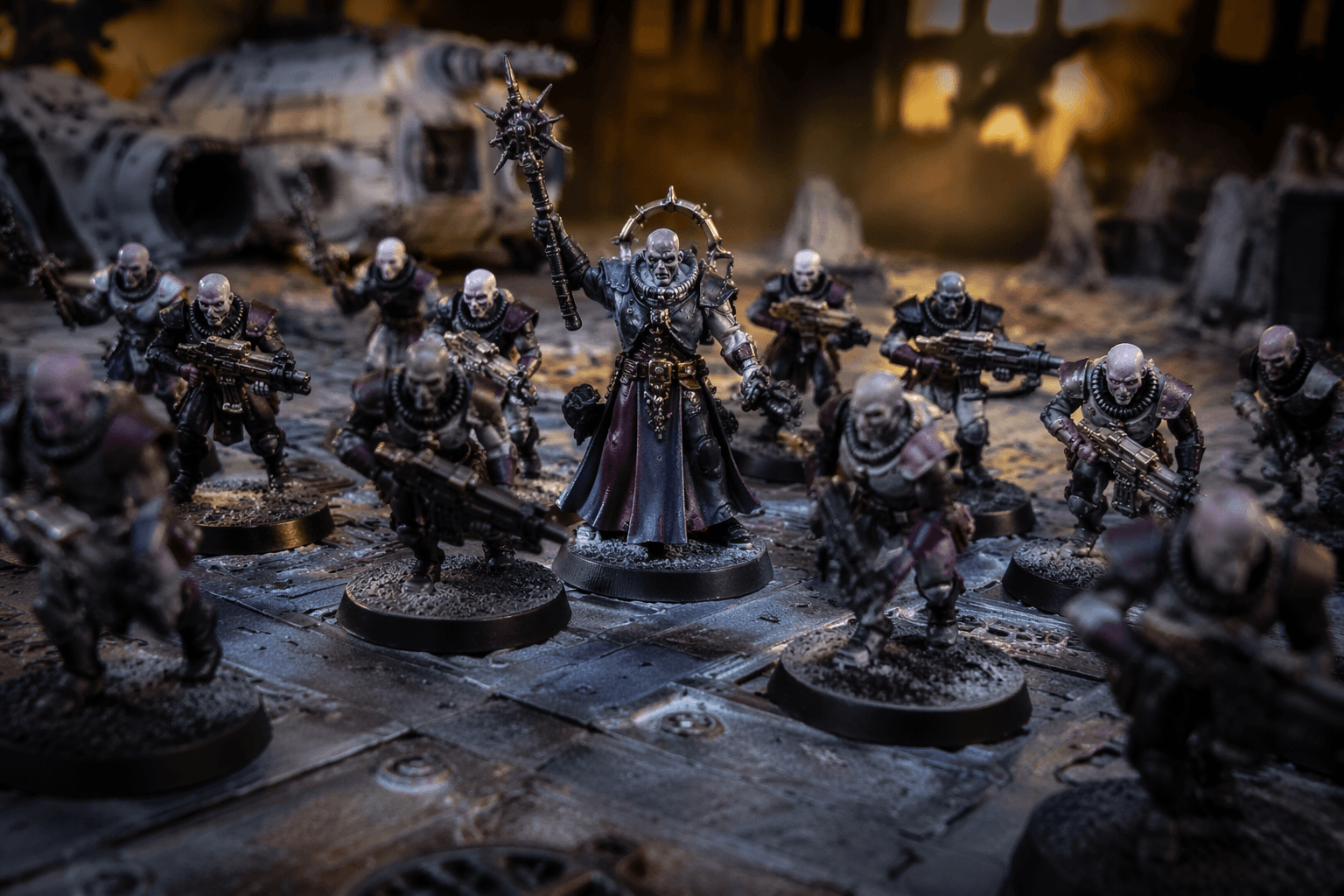
A good screen is not just a line of models. It is a shape that absorbs casualties without opening a hole, keeps key units protected, and still leaves enough room to stay legal when you remove models from the front or back.
A few habits matter every time you move a unit:
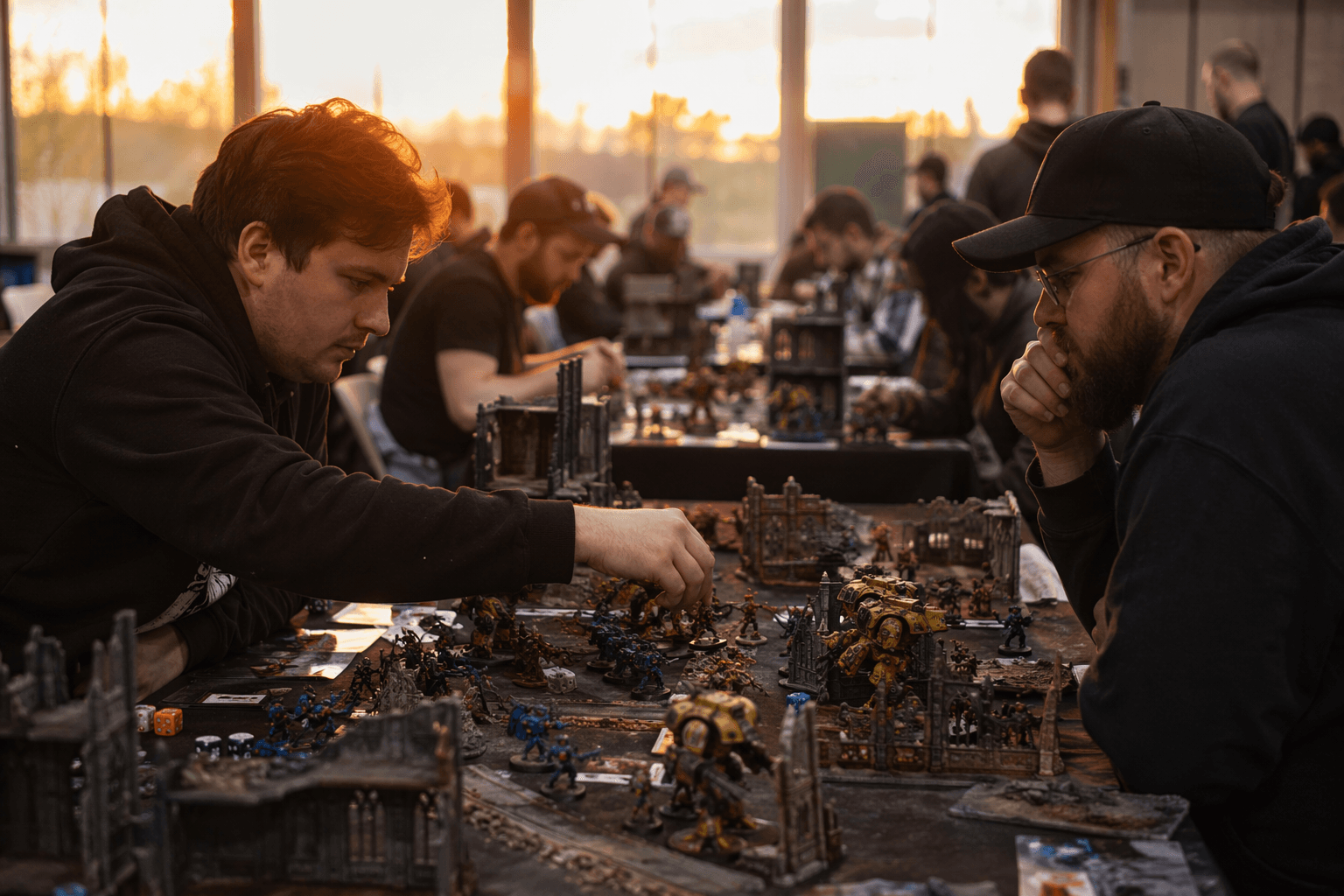
- Keep the unit tighter than your first instinct tells you. A loose crescent looks flexible until one casualty forces the rest of the unit into a bad legal shape.
- Think about the model that can be removed next, not the one you just moved. Coherency problems usually show up after casualties, when the unit suddenly has to reconnect through a thinner path than you planned.
- Use terrain edges and board edges as part of the shape. A screen that leans on a table edge has less space for an enemy to slip through and fewer angles that can break it apart.
- Leave the unit’s footprint with the next move in mind. If you know the unit needs to pivot, advance, or absorb losses, give it room to do that without snapping coherency.
With terrain areas now standardized and event packs leaning on specific footprints and base sizes, the old habit of eyeballing space is riskier than ever. A unit that looks fine in the middle of an open table can turn illegal or fragile the moment it has to squeeze around a terrain area with a defined footprint.
Why screening and objectives now reward precision
The old idea that screening is just about stopping charges is too small for 11th edition. Screening is also about preserving board control, forcing bad angles, and making sure your own units stay where they are supposed to be when the rest of the table starts moving. The 2020 FAQ that pushed engagement range around certain area terrain to 2 inches in specific circumstances already showed where the design was heading: tiny measurement shifts can create or deny whole lanes of play.
The Event Companion’s fixed Force Disposition is chosen when you submit your army list. The same geometry then sits under a known mission framework, with three possible terrain layouts per mission and a current base-size list to keep everyone on the same page.
The Armageddon launch box, with 61 brand-new miniatures split between Space Marines and Orks, gives the edition its headline models.
This article was produced by Prism’s automated news system from verified source data, official records, and press releases, then run through automated quality and moderation checks before publishing. The system is built and supervised by the people who set the standards it runs under. Read our full AI policy.
Know something we missed? Have a correction or additional information?
Submit a Tip