Warhammer Community traces the Land Speeder’s design history to 1988
Games Workshop is reviving the Land Speeder as an Armageddon launch piece, and its 1988-to-Primaris lineage is the real selling point.

Armageddon puts the chassis back in the spotlight
The new Land Speeder is not being sold as a random blast from the past. Games Workshop is using it as part of Warhammer 40,000: Armageddon, the launch box for the new edition of Warhammer 40,000, and Warhammer Community set the full boxed-set reveal stream for 1 May 2026 at 7pm BST. That matters because this is exactly the sort of release that tells collectors what the company wants the next era of 40k to feel like: classic, recognisable, and deeply tied to the history of the setting.

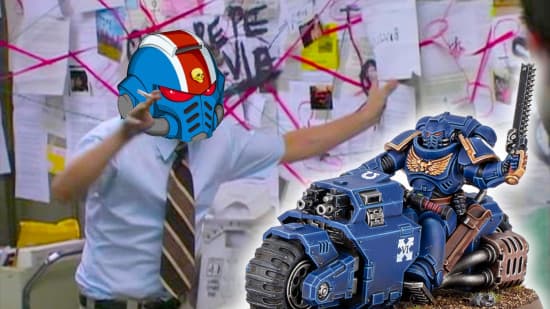
For hobbyists who build armies with a sense of lineage, that makes the Land Speeder a much bigger deal than a single skimmer kit. It is being positioned as a bridge between the old-school Space Marine look and the current line, with Armageddon acting as the stage for that handoff. The new box is not just selling plastic, it is selling continuity.
What is genuinely new, and what is a callback
The key thing to understand is that the Armageddon Land Speeder is not interesting because it reinvented the chassis from scratch. It is interesting because it folds so many old ideas into one release. Warhammer Community’s history coverage goes back to the original 1988 Land Speeder, which showed up as a striking early Space Marine vehicle and also appeared in an Imperial Army variant. That same boxed set also introduced other early 40k machinery like Tarantula sentry guns and the mole mortar, which tells you exactly where this design language came from: experimental, slightly weird, and very much of first-edition 40k.
That first model is the deep cut collectors remember, but the versions that shaped the modern silhouette came later. The second-edition update added more armour and pushed the craft closer to a classic combat skimmer. Then the 1998 third-edition redesign locked in the template most players still recognise today, especially the single-pilot cockpit. It also introduced the Tornado and Typhoon variants, which turned the Land Speeder from a neat vehicle into a genuinely flexible Space Marine fast-attack staple.
That is the real callback in play here. If the new Armageddon version leans on those old proportions and those variant ideas, it is not just nostalgia bait. It is Games Workshop reaching back to the exact era when the Land Speeder became a true identity piece for Marine armies.
The Land Speeder family tree runs through more than one era
Part of why this chassis has survived so long is that it never sat still. Warhammer Community’s lore coverage describes the platform as descending from ancient STC anti-grav designs rediscovered by Arkhan Land, then weaponised for the Adeptus Astartes. That origin story gives the Land Speeder a proper 40k inheritance: old science, rediscovered fragments, and an engine of war adapted again and again by later Imperial hands.
The line keeps branching after the classic fast-attack variants. The Land Speeder Storm arrived in 2009 alongside the plastic Scouts kit, giving the chassis a transport role for a small Scout unit instead of just a gunship profile. Dark Angels also kept the family alive in their own way, with a metal Land Speeder miniature in second edition and Sammael in his custom ride, Sableclaw. That Chapter-specific angle matters, because it shows the platform was never only a generic Marine toy. It became part of how different Chapters signalled their own style on the tabletop.
Then the modern era arrived and reinterpreted the whole family again. The Storm Speeder was developed as part of Belisarius Cawl’s Primaris project, which ties it directly to the newer technological direction of the line. Its Hailstrike pattern is framed as a specialist infantry-slaying platform, so even the latest version of the idea still comes back to the same core job: fast-moving Marine fire support with a strong visual identity.
Why this release matters to Space Marine collectors
This is where the release stops being a museum tour and becomes a buying decision. If you collect Space Marines as a living army rather than a pile of detached kits, the Land Speeder has always been one of those models that says something about how you build. The original 1988 version speaks to the earliest days of the range. The 1998 shape is the version that most people mentally picture when they hear “Land Speeder.” The Storm Speeder and the Primaris-era take show how Games Workshop has kept the idea alive instead of retiring it.
That makes the Armageddon kit especially tempting for collectors who care about narrative consistency. It can sit beside older speeders and make the whole force look like one lineage instead of a stack of disconnected releases. It also gives newer armies a way to reference the old designs without hunting down vintage metal or obsolete plastic kits.
The timing is the other reason this hits harder than a simple rerelease. By making Armageddon the new-edition launch box, Games Workshop is using a classic vehicle to signal what the next phase of Warhammer 40,000 is supposed to look like: not a clean break from the past, but a controlled revival of the most durable ideas in the range. The Land Speeder has been through more than one redesign, but the point of this new chapter is that it still looks like itself.
What the lineage tells you about the new kit
The Land Speeder’s appeal has always been that it sits right between eras. The 1988 original felt experimental, the 1998 version made the chassis iconic, the 2009 Storm shifted the role, and the Storm Speeder pushed the concept into the Primaris age. Armageddon is reviving it now because Games Workshop knows this is one of those designs that carries the history of Space Marines in its silhouette.
For collectors, that is the whole test. A Land Speeder earns its place when it does more than look fast. It has to feel like a piece of the army’s memory, from the old anti-grav lineage of Arkhan Land to the newer Cawl-era reinterpretation. This new release works because it does exactly that, and it lands with the kind of continuity that makes a 40k collection feel earned rather than assembled.
This article was produced by Prism’s automated news system from verified source data, official records, and press releases, then run through automated quality and moderation checks before publishing. The system is built and supervised by the people who set the standards it runs under. Read our full AI policy.
Did this article answer your question?