Laser Inlay Meets Lathe Work in Modern Box Turning
A 40W enclosed diode laser is giving lidded boxes new surface language, but the lathe still sets the form. The real trick is knowing exactly where turning ends and digital embellishment begins.

Hybrid shops are no longer the exception
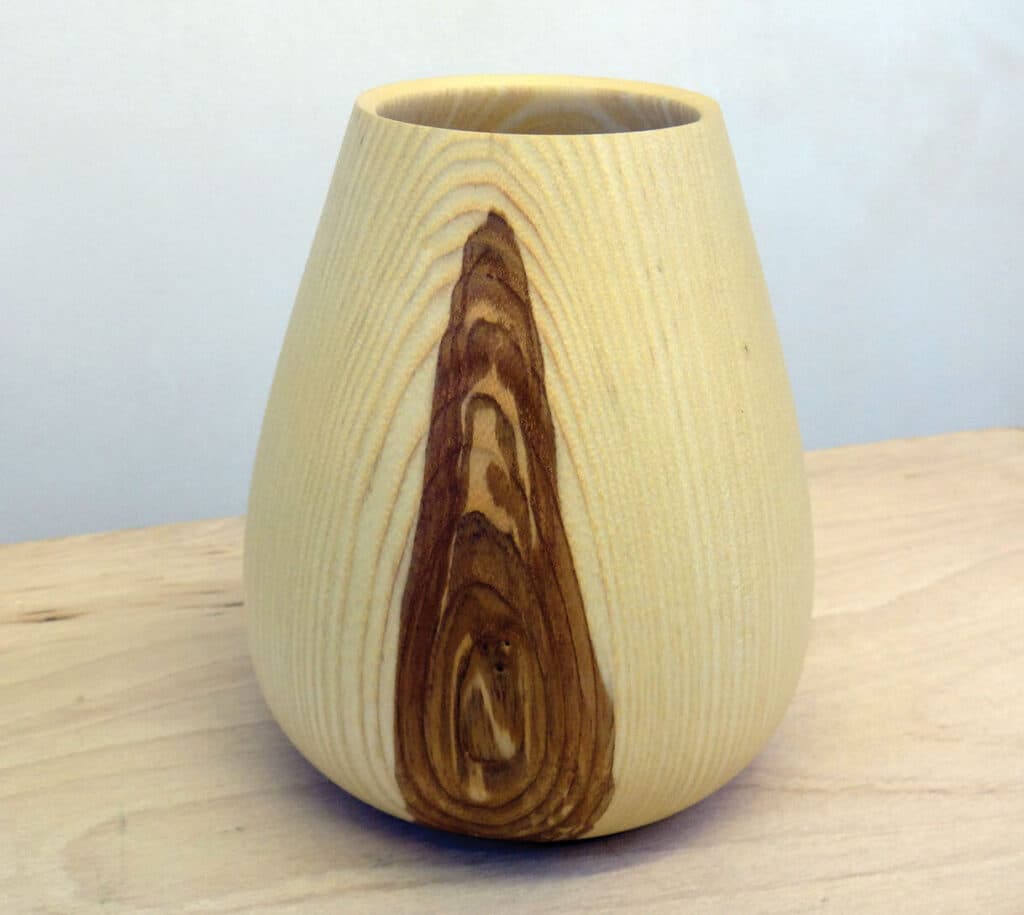
A lidded box is becoming a perfect test piece for the modern hybrid shop: turn the form on the lathe, then let a 40W enclosed diode laser add the ornament. In a recently active American Association of Woodturners forum thread, one hobbyist who already works with both CNC and lathe tools said they had ordered an xTool S1 with the rotary accessory, then laid out a sensible path forward, starting with veneer inlays on flat surfaces before moving to box sides and even small hanging lanterns. That sequence tells you almost everything about where this part of the craft is headed: the lathe still makes the object, but digital tools are increasingly being asked to decorate it, open it up, and extend what the turned form can do.
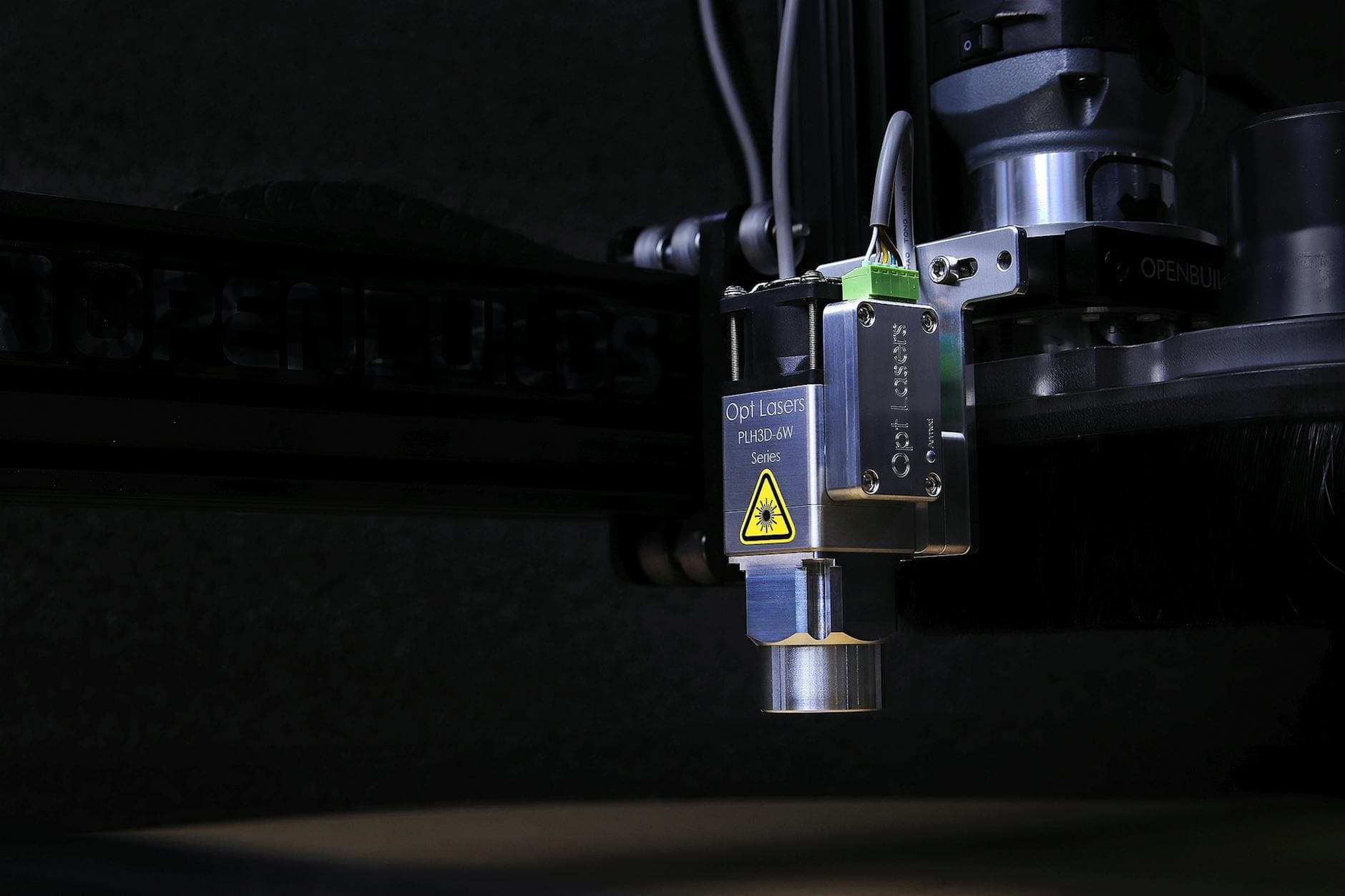
The xTool S1 is marketed as a 40W enclosed diode laser cutter, and xTool says its rotary attachment is designed for cylindrical materials. With Rotary Attachment 2 Pro, the machine can also handle spherical and irregular objects. For woodturners, that matters because it broadens the range of turned work that can accept laser treatment without forcing you to abandon the round or curved surfaces that define the piece.
Where the lathe ends and the laser begins
The cleanest way to think about this workflow is to let the lathe do what it already does best. Turn the box blank, true the lid fit, refine the wall thickness, and finish the surface as if no digital tool will ever touch it. After that, the laser becomes a second-stage tool for patterning, inlay, and openings that would take longer to establish by hand.
That division of labor is the core idea behind the current lidded-box conversation. Veneer inlay on a flat lid gives you a controlled first step because the laser can work on a stable plane. Once that is dialed in, the same logic extends to the sidewalls of a box, where curved geometry raises the difficulty but also increases the visual payoff. The attraction is not novelty for its own sake. It is the chance to use precision marking and cutting to add detail without sacrificing the hand-turned character of the piece.
Why lidded boxes are such a strong proving ground
Lidded boxes are especially useful because they already live at the intersection of utility and display. The lid gives you a broad, visible field for veneer inlay, while the sides invite repeated motifs, bands, or cutwork that can echo the shape of the turning. If the design works, the result feels intentional rather than pasted on; if it fails, the mismatch is obvious immediately.
That is why the practical question is not whether laser decoration is possible, but whether it improves the box. You can judge it on three concrete measures:
- Value: Does the inlay make the box more desirable enough to justify the extra setup time?
- Precision: Does the laser produce cleaner repeatability than hand layout, especially on small or matched runs?
- Creative range: Does it let you add a visual layer you would not attempt with gouge, scraper, or chisel alone?
If the answer is yes in all three, the hybrid approach earns its place. If it only adds noise to a strong turned form, the lathe already gave you enough.
The lantern idea shows where this gets interesting
The poster’s most experimental thought goes beyond boxes. After Forstner-bit coring on lanterns, the laser might be used to cut windows or slots instead of relying on a drill press or hand-drilling while indexing on the lathe. That is a meaningful shift, because it replaces a more manual, repetitive layout with a process that can be more precise and more repeatable.
For hanging lanterns, that repeatability matters. If you are cutting multiple openings around a turned shell, consistency between panels can make the difference between a crisp architectural object and something that looks improvised. A laser can also support more intricate cut patterns than a drill-based workflow, which opens the door to finer light effects without asking the turner to sacrifice control over the original form.
The older forum threads already mapped the hard parts
This is not the first time the woodturning community has asked how lasers fit around round work. An older AAW thread on laser embellishment of turnings flagged a familiar obstacle: precise positioning on curved surfaces. Another thread on lasering lathe-turned round surfaces described the process as difficult but workable, and one maker said a small diode laser and rotary attachment setup cost about $520 and paid for itself in about a month.
That matters because it gives the current box-and-laser discussion a practical baseline. The challenge has never been whether the tools can talk to each other. The challenge is alignment, setup, and whether the added decoration creates enough demand or enough efficiency to justify the machine time. A setup that recoups itself quickly is a very different proposition from a novelty that lives on the bench after the first few experiments.
A community large enough to spread the experiment fast
The reason these ideas travel so quickly is the size and reach of the American Association of Woodturners. Based in Saint Paul, Minnesota, the organization says its American Woodturner journal has been a premier source of inspiration and instruction since 1986, and it now has more than 360 chapters worldwide. In a community that large, one strong hybrid workflow does not stay local for long.
That reach is part of the story here. A forum thread about laser inlay on lidded boxes is not just a conversation about one machine or one maker. It is the kind of experiment that can move from a bench test to chapter meetings, journal pages, and shop-floor habits with surprising speed. The more turners see the lathe as the core form-maker and the laser as a secondary embellisher, the more likely this style of work is to become a regular part of box turning rather than a special-effect detour.
How to decide if the inlay belongs on your box work
Before you commit, keep the process simple and disciplined. Start on flat test pieces, exactly as the forum poster plans to do, then move to a lid, then a box side, then a curved object only if the fit and registration stay clean. That progression limits risk and makes it easier to see where the digital work genuinely adds something.
The hybrid box is strongest when each tool stays in its lane. The lathe gives you symmetry, proportion, and tactile authority; the laser adds pattern, precision, and a level of repeatable embellishment that can be hard to match by hand. When those roles are clear, the result is not a compromise between old and new. It is a fuller vocabulary for turned wood.
This article was produced by Prism’s automated news system from verified source data, official records, and press releases, then run through automated quality and moderation checks before publishing. The system is built and supervised by the people who set the standards it runs under. Read our full AI policy.
Did this article answer your question?