Woodturners Debate Tung Oil Finishes as Gloss and Cure Time Collide
The quickest path to a shinier tung-oil finish is not more oil but more cure, more build, and a smarter rub-out.
Why satin is easy and gloss is the real test
The familiar frustration shows up the same way on the bench every time: the piece looks good at satin or luster, but the moment you want a deeper shine, tung oil starts exposing every weakness in the finish schedule. A recent American Association of Woodturners forum discussion turned that problem into a compact clinic, with one turner explaining they had been using Watco Tung Oil because pure tung oil is thick and slow to polymerize, even if the natural feel is appealing. That is the real fork in the road for a lot of turners. If you want a polished, more reflective surface, the question is not just which oil you reach for. It is how the oil behaves, how long you let it cure, and whether you plan to stop at sheen or push the surface further.
Pure tung oil gives depth, not instant gloss
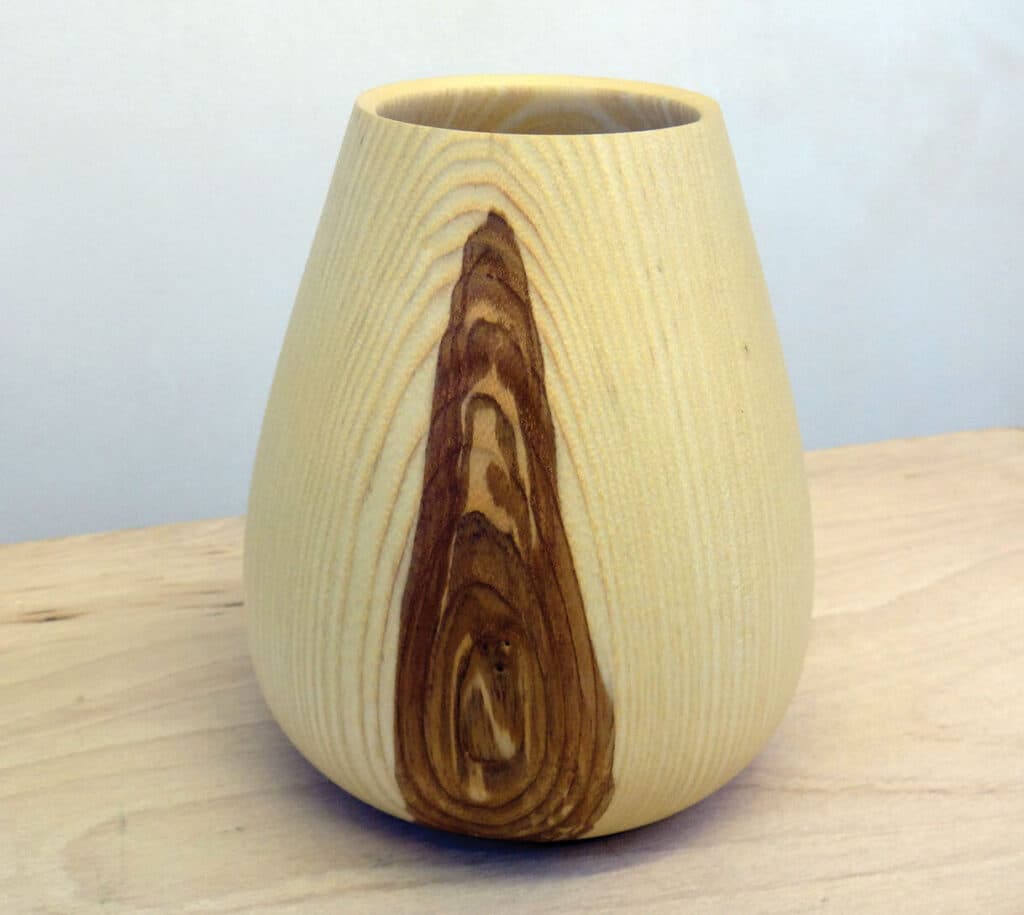
Waterlox makes the key limitation plain: 100% pure tung oil penetrates deeply into wood and usually leaves a warm, matte, unfinished look rather than a glossy one. That matters because a lot of finish disappointment starts with mismatched expectations. Pure tung oil is often chosen for the natural feel it leaves behind, but if the goal is a brighter reflection, the finish itself is working against that unless you add build and refinement later.
Cure time is part of the same equation. Waterlox says tung oil is a drying oil that can take many days or even weeks to crosslink into a dry film. It also says Waterlox ORIGINAL finishes are compatible with 100% pure tung oil only after the tung oil has cured for over 30 days. That 30-day threshold is more than a technical footnote. It is the difference between a finish that is ready for the next stage and one that can still cause trouble long after the last coat looked dry to the touch.
Surface prep sets the ceiling for sheen
If the oil is only part of the story, the surface underneath is the rest of it. A turning that is already clean, even, and ready for finish will respond very differently from one that still carries sanding scratches, torn grain, or uneven absorption. The AAW thread makes that point indirectly by shifting from the question of tung oil itself to the broader problem of how sheen is built in the real world.
That is where the practical diagnosis starts. A satin result usually forgives more. A glossier result shows everything, which means the turner has to think about what the finish will magnify once light starts reflecting off the surface. The more reflective you want the piece to become, the more the initial preparation matters, because the finish cannot hide texture once it starts catching the light.
Build, cure, and patience change the outcome
For turners who reach for oil because it is easy to apply, the temptation is to keep adding coats and hope the shine arrives on its own. The forum conversation suggests otherwise. Thin oil by itself can nourish the surface and deepen color, but gloss is usually built, not wished into existence. That is why cure time is such a major decision point. If the coating has not fully crosslinked, every next step becomes riskier.
Watco Tung Oil sits in that practical middle ground for many shops because it is easier to apply than pure tung oil. The original poster’s comparison is telling: ease of application is often what wins in the shop, especially when pure tung oil feels slow and thick. But convenience does not automatically create the sheen turners are after. If the project calls for a more reflective finish, the question becomes whether the oil is serving as the final look or merely the base layer for a more deliberate surface treatment.
Tru-Oil shows another way to chase shine
One of the most useful replies in the thread points toward Tru-Oil, and that shifts the conversation from tung oil alone to finish strategy. Birchwood Casey says Tru-Oil has been the professional’s choice for gun stock finishing for more than 30 years, and describes it as a blend of linseed and other natural oils that dries fast and resists water damage. For woodturners, that combination matters because it supports a faster path from application to refinement.
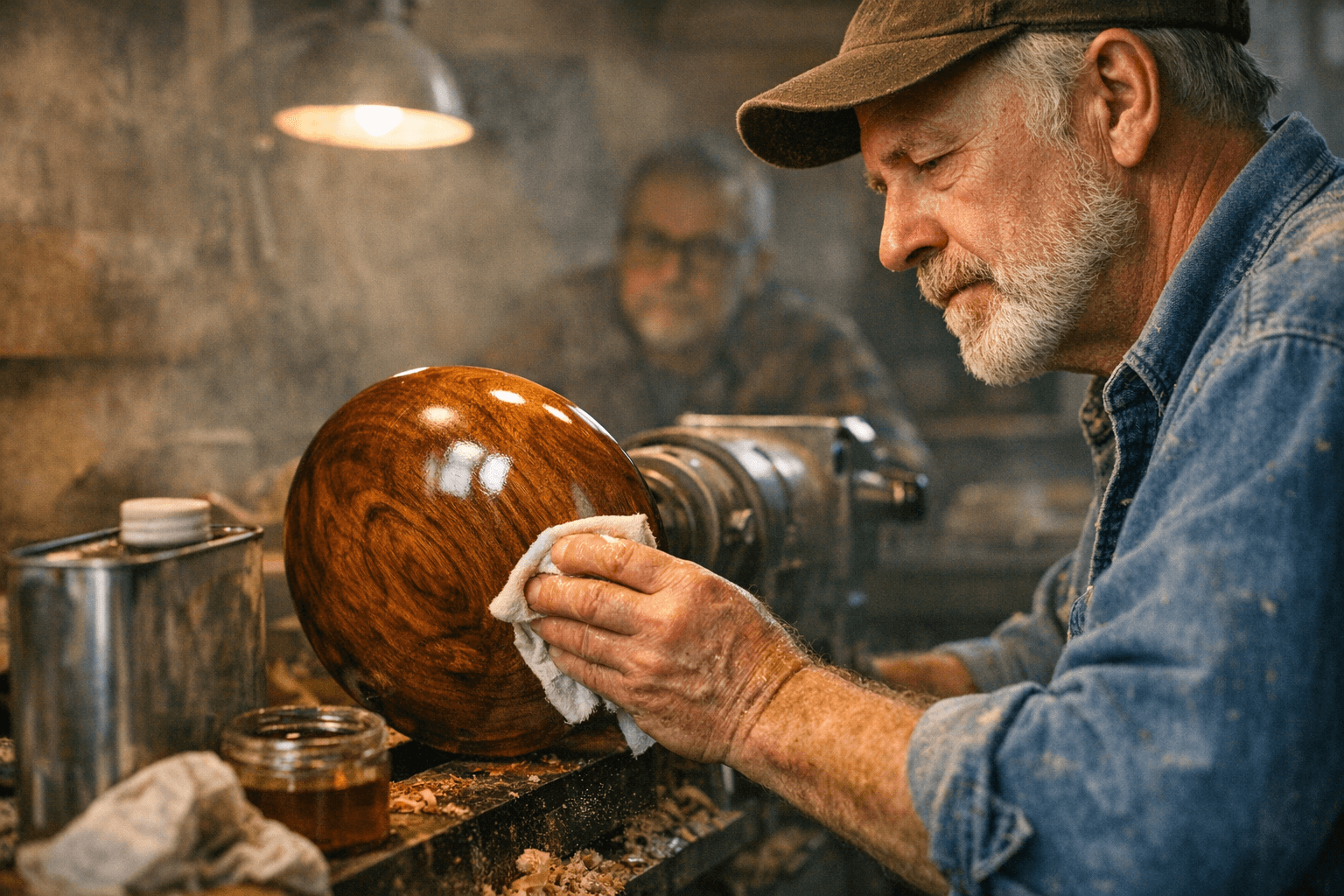
The reply also points to rub-out work with pumice and rottenstone to flatten and refine the sheen. That is a classic finishing move, and it translates neatly from gunstocks to turnings. Used with a liquid lubricant, the abrasives let you take a finish that is already built and steer it toward the exact sheen you want, instead of waiting for an oil to somehow become glossy on its own. The note that a little goes a long way is especially practical in a turning shop, where finishing materials can be expensive and messy, and overuse often creates more cleanup than shine.
When the bottle matters as much as the bowl
Another detail from the discussion is easy to miss but useful in day-to-day shop life: some oil finishes can set up in the bottle unless air is displaced. That turns finish choice into a storage issue as well as a surface issue. A product that behaves well on the wood but skins over in the container adds frustration before you even get to the lathe.
This is also where the finish decision becomes specific to the piece. If the goal is a natural, warm, low-sheen surface, pure tung oil still has a clear role. If the goal is a deeper gloss, especially on a turning that deserves a polished look, then the smarter path may be a finish that dries faster, builds more predictably, and can be rubbed out cleanly afterward. The piece itself should decide whether you are chasing feel, appearance, or both.
Why the community keeps coming back to the same question
The scale of the conversation helps explain why this keeps coming up. The American Association of Woodturners says it has more than 360 chapters worldwide, and its American Woodturner journal is published bimonthly for amateur and professional woodturners alike. That kind of network keeps finish problems from staying private. A thread about tung oil becomes a shared shop lesson, the sort of practical exchange that helps one turner solve a sheen problem and reminds everyone else that the finish is a system, not a single product.
That is the real takeaway from the debate. If your project keeps stopping at satin, tung oil may not be failing you at all. It may simply be telling you that gloss requires a different plan: better prep, more patience, the right layering strategy, and, when needed, a rub-out that pushes the surface past what oil alone will do.
This article was produced by Prism’s automated news system from verified source data, official records, and press releases, then run through automated quality and moderation checks before publishing. The system is built and supervised by the people who set the standards it runs under. Read our full AI policy.
Did this article answer your question?