Oregon woodworker salvages rare trees for instruments and restoration
A small Oregon mill is rescuing rare hardwoods for blanks, guitars, and restoration, turning one salvaged log into a higher-stakes sourcing story for turners.

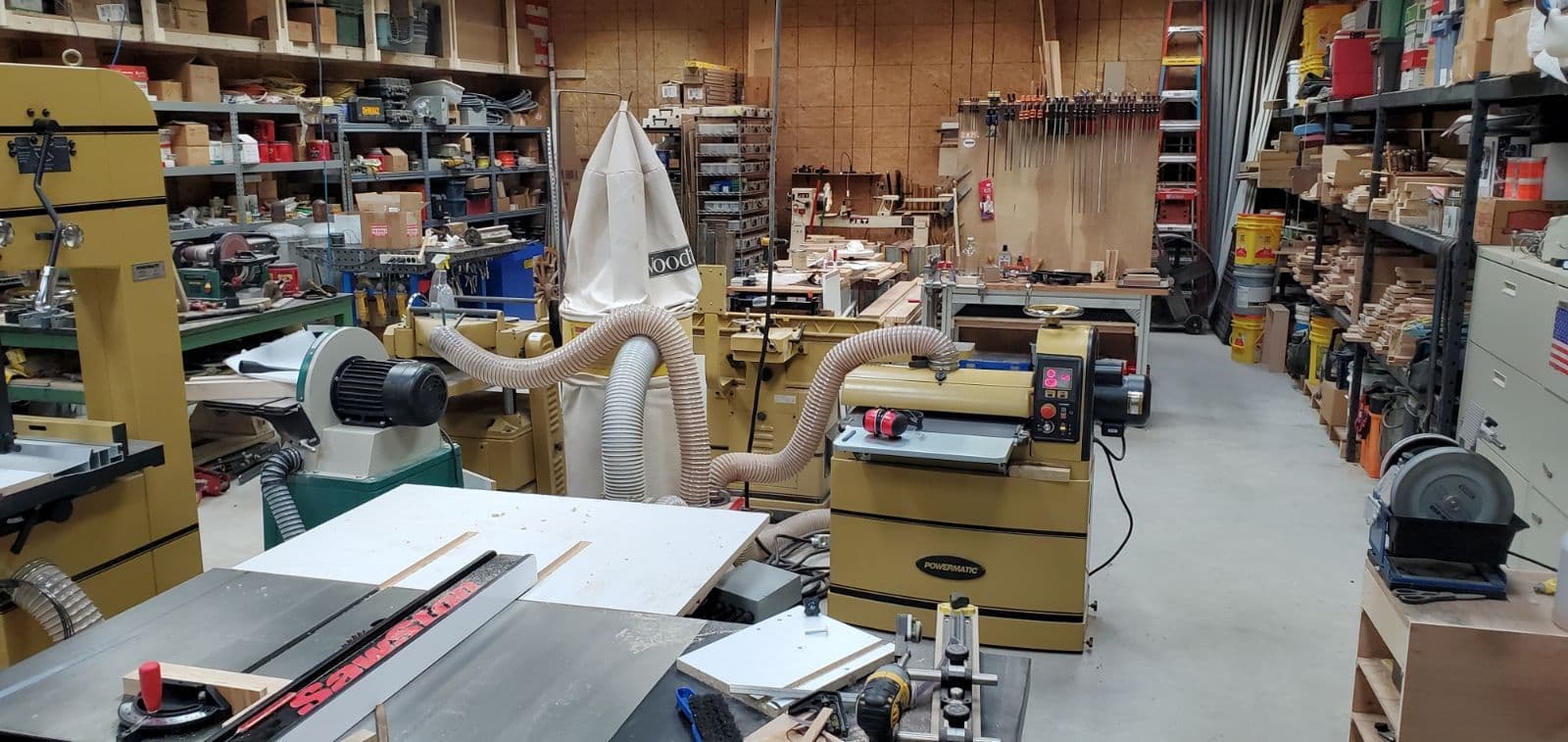
At 89566 Sheffler Road in Elmira, Oregon 97437, Rod Jacobs hand-mills salvaged hardwoods on a small sawmill at Unique Woods of the Northwest. He sells much of the stock to instrument makers and builds his business around rare tree species that can be turned into usable, valuable material instead of disappearing from the regional supply.
A mill built around salvage, not volume
The shop is not chasing mass production. Jacobs has devoted this chapter of a long timber career to restoring rare tree species and making both the timber and music-instrument trades more sustainable. The company’s mission is blunt about the goal: it wants to “help preserve, clone and plant the best of the grand trees that are not being replanted.”
When a mill like this salvages hardwoods that would otherwise be overlooked, it creates a path from standing tree to workable stock without flattening the material into anonymous commodity lumber.
Why the Oregon mix matters
Oregon’s timber base is still heavily tilted toward Douglas fir. A market built mostly around one softwood leaves little room for the figured hardwoods that bowl turners, spindle workers, and hollow-form makers reach for when they want contrast, density, or visual movement in the grain.
That is where Jacobs’ work with the 100 Figured Maples Project fits in. The project is aimed at restoring bigleaf maples to the Northwest, and bigleaf maple is exactly the kind of wood that can reward careful processing. In the right piece, the figure can be the whole point, but the same figure can also turn into waste if the log is sawn badly, dried too fast, or ignored until checks and movement take over.
A shift toward more native hardwoods means more opportunities for distinctive bowl and instrument stock, but only if the material is handled with the right expectations. A rare tree is not automatically a better blank. It still has to be selected for grain orientation, enough sound wood around the pith, and a drying path that keeps the shape from running away before it ever reaches the chuck.
What a rescued log has to survive before it becomes stock
The strongest turning wood in Jacobs’ world is not just rare, it is processed with the end use in mind. Instrument-grade wood often rewards figure, consistency, and predictable movement, while turners often want a different balance, a blank that is large enough to hold a form and stable enough to finish cleanly without chasing cracks.
A salvaged hardwood log can still lose value fast if the grain is poorly oriented or the moisture is not managed. Curl and figure can be spectacular in a finished bowl, but they also make sawing and drying less forgiving. Wide blanks for bowls need enough meat to survive hollowing and seasoning, while spindle stock asks for straighter grain and fewer interruptions. If a log section is cut carelessly, the best-looking figure can end up locked inside waste instead of becoming the front of a vessel.
Photographer and filmmaker Simeon Schatz followed a bigleaf maple tree from a bucolic remote meadow outside Scio, Oregon, into guitars and artwork. One piece of wood can become a display object, an instrument component, or a future turning blank, but only if the grain, drying, and cutting decisions preserve its usable volume on the way through.
Restoration work that changes the blank supply
Jacobs has worked with the Coquille Indian Tribe on forest stewardship and restoration of big trees in the Pacific Northwest, tying sourcing to active landscape management rather than one-off salvage.
If rare native trees are preserved, cloned, planted, and selectively recovered, future blanks will not all look like the same kiln-dried rectangle from a warehouse rack. They will reflect the actual forests they came from, with figured maple, other hardwoods, and the occasional exceptional log carrying enough visual character to justify the extra work at the mill.
What this means at the lathe
Wood from a mill like Jacobs’ offers better figure, more regional character, and stock that can become a bowl, spindle, or hollow form. Rare hardwoods are only as useful as the way they are sawn, dried, and stored before they ever hit the toolrest.
This article was produced by Prism’s automated news system from verified source data, official records, and press releases, then run through automated quality and moderation checks before publishing. The system is built and supervised by the people who set the standards it runs under. Read our full AI policy.
Did this article answer your question?