Resin inlay eyeball bowl turns simple woodturning into conversation piece
A basic bowl becomes a showstopper when one resin eyeball inlay changes the whole read of the piece, and the skill jump is exactly what makes it interesting.
The moment a bowl stops being ordinary
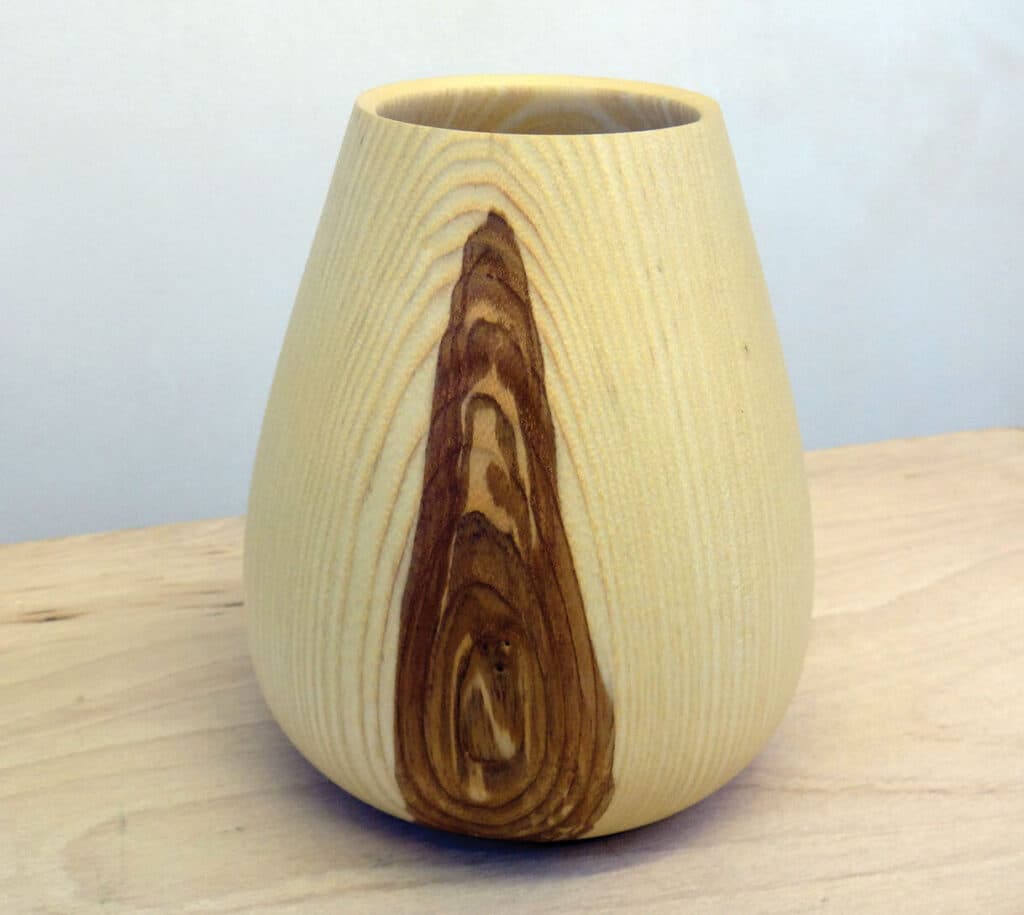
A simple bowl blank can become memorable the second one bold detail breaks the surface. That is the whole power of the resin inlay eyeball bowl: the form stays familiar, but the inlay changes the emotional response, turning a practice piece into something people stop to look at twice. The bowl is still recognizable as turned work, yet the finish reads less like utility and more like a conversation starter.
That shift matters because it shows how little a project needs to move from beginner exercise to display object. Clean turning is still the foundation, but the resin inlay adds a second layer of intent, the kind that says the maker is no longer just proving control on the lathe. The piece becomes a test of judgment as much as technique.
Why the eyeball works so well
The eyeball motif is memorable because it is immediately specific. It pushes the project away from neutral decor and into something playful, a little strange, and impossible to ignore. That is exactly why it works as a case study in visual design: the base form may be basic, but the inlay changes the story the object tells the moment someone sees it.
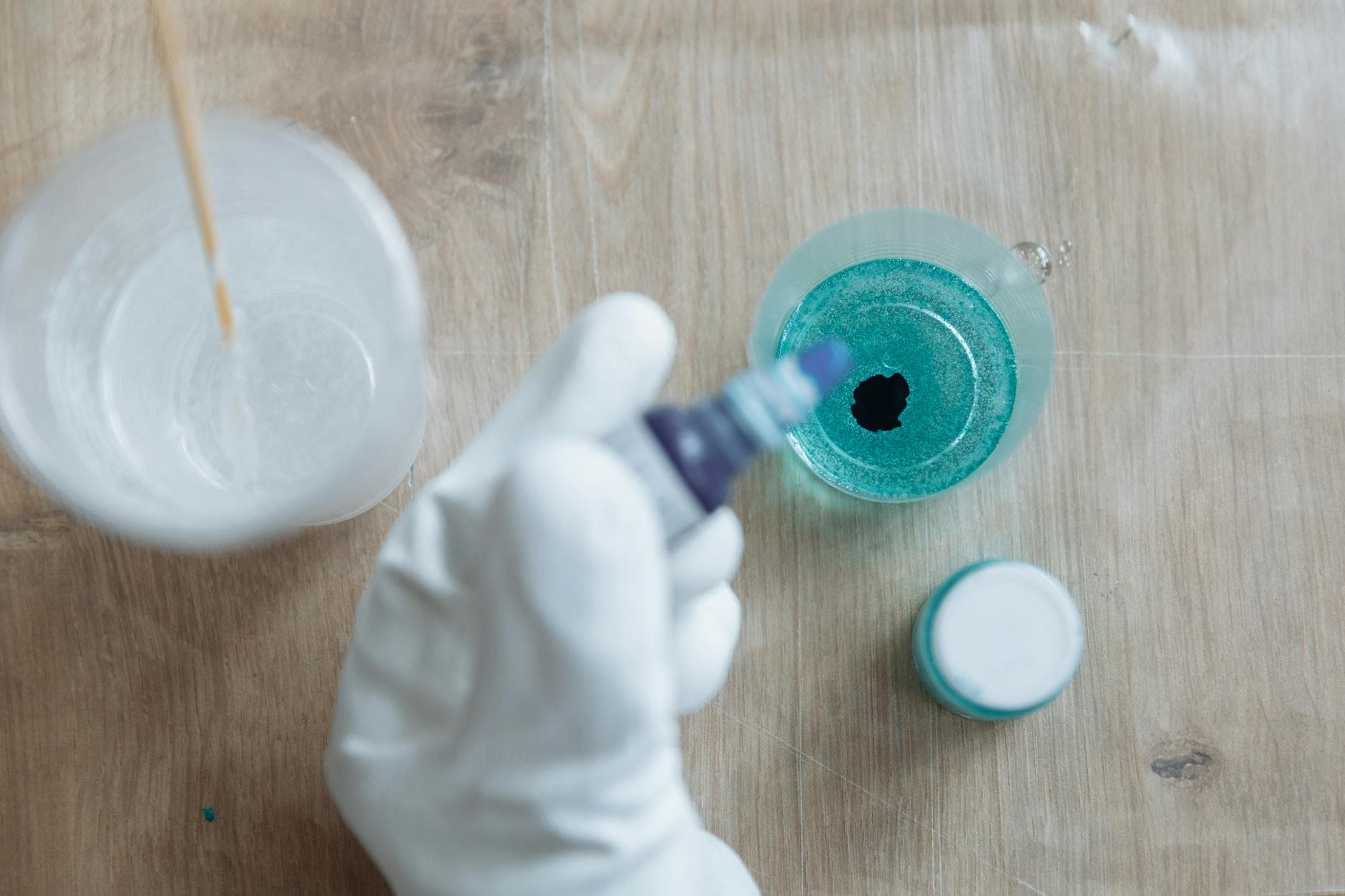
Resin inlays have become a popular way to add imagery, color, and depth without abandoning the lathe entirely. An eyeball is a particularly bold choice because it does not merely decorate the bowl, it redefines it. Instead of asking whether the bowl is useful, viewers start asking how it was made and whether they would put it on a shelf, give it as a gift, or bring it out as a display piece.
What the project actually teaches
The appeal of this kind of build is that it combines familiar bowl work with enough surprise to keep it fresh. The turner still has to shape the bowl cleanly, sand it properly, and finish it in a way that lets the inlay feel integrated rather than pasted on. That is where the project earns its keep: the resin detail only looks good if the surrounding woodworking is disciplined.
That balance is what makes the project more than gimmick. A sloppy bowl with a clever inlay still looks sloppy. A well-shaped bowl with a crisp resin eyeball inlay looks intentional, and that difference is what turns a novelty into a piece worth showing. The project therefore teaches hybrid making, where the lathe work and the resin work both have to support the same visual result.
Part of a bigger resin-and-wood trend
This is not a one-off trick. The American Association of Woodturners says its *American Woodturner* journal has been published since 1986, and a 2023 piece associated with *Woodworker’s Journal* described casting wood, or other materials, in resin as a popular trend in recent years. That broader context matters because it places the eyeball bowl inside an established line of experimentation rather than a passing novelty.
Fine Woodworking has pointed out why epoxy resin is so useful for dramatic inlays: it can create delicate, complicated patterns without forcing the maker to cut and match lots of small pieces. That is a major reason resin has stuck around in turning circles. It gives the maker more visual freedom, especially when the goal is not just a nice surface but a piece that draws attention from across the room.
Popular Woodworking has also noted that wood-and-resin combinations are commonly used for bowls, pens, and platters, and that these pieces often look more complicated than they really are. That combination of accessibility and drama is the sweet spot here. A resin inlay eyeball bowl is visually loud, but the underlying idea is simple enough that it still feels reachable.
The skill jump is real, and that is the point
For a turner, the biggest value in this project is that it makes the skill jump visible. You are not just roughing a blank and refining a curve. You are coordinating surface prep, resin placement, and finishing so the inlay sits naturally in the piece and does not look like an afterthought. That added step is what separates a practice bowl from a piece people want to keep.
The challenge is also why the result can be so rewarding. Once the basic bowl form is under control, one unusual inlay can completely change the perceived value of the work. A familiar silhouette plus one unexpected detail can make the same object feel giftable, collectible, or market-ready.
Safety and finishing still matter
Resin brings visual payoff, but it also brings real hazards. OSHA says epoxy resin adhesives can cause dermatitis and sensitization reactions, and that some components of epoxy resins may be cancer-causing. That means careful handling, good ventilation, and dust control are part of the project, not optional extras.
The point is not to scare anyone away from resin work. It is to treat the hybrid process with the same respect you give the turning itself. The more striking the project, the more important it is to manage the chemistry and the dust so the finished bowl is memorable for the right reasons.
Why this kind of piece sells the idea instantly
The strongest case for the eyeball bowl is how quickly it communicates value. A standard bowl form is easy to recognize, but the resin inlay turns it into an object that feels bespoke. That is exactly why this kind of project works so well for gift making and small-batch selling: it looks singular without requiring a completely different build language.
The larger lesson is simple. In woodturning, a basic form does not have to stay basic. One bold resin inlay can take a straightforward bowl and turn it into a piece that invites a second look, a closer question, and a longer memory.
This article was produced by Prism’s automated news system from verified source data, official records, and press releases, then run through automated quality and moderation checks before publishing. The system is built and supervised by the people who set the standards it runs under. Read our full AI policy.
Did this article answer your question?