Split Wood Becomes a Resin-Infused Beer Mug on the Lathe
Split wood is not always firewood. With resin, a damaged blank can become a beer mug that is stronger, safer, and far more interesting than a decorative save.
Rescue or firewood?
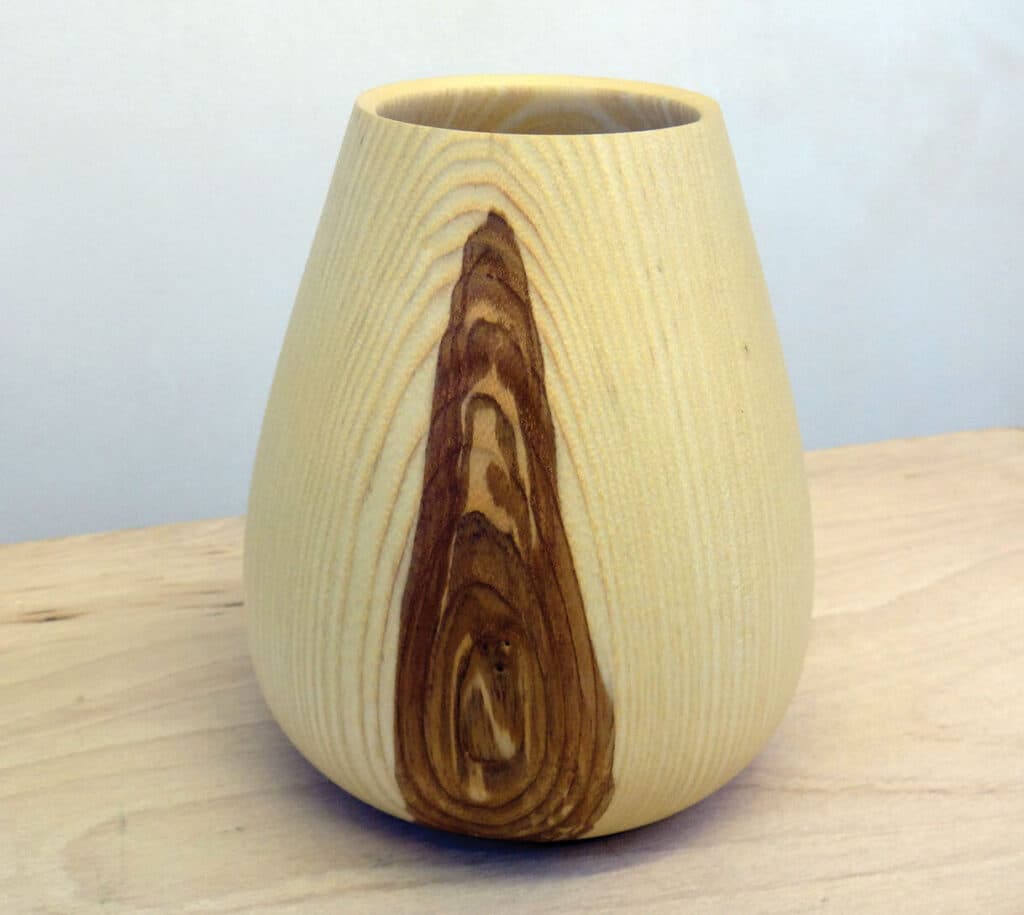
The first decision on a split blank is the one every turner knows by instinct: do you save it, or toss it? A clean split can wreck tool pressure, invite tearout, and leave a weak line that looks like trouble before the spindle ever touches the lathe. That is why a project that turns split wood into a resin-infused beer mug lands with such force. It does not pretend the defect is gone. It makes the defect part of the plan.
That shift matters because the best salvage jobs are not about hiding damage. They are about choosing a form that can carry the flaw, stabilize it, and still end up useful. A beer mug is a smart choice for that kind of rescue. It is familiar enough to feel practical, but it is not so simple that the result looks ordinary. The shape gives the maker room to work around the split while still aiming for a real, usable drinking vessel.
Why the split becomes the feature
Resin changes the entire conversation around a damaged blank. Instead of treating the split as a failure, the maker can treat it as a design line, a visual seam, or a structural opportunity to lock the wood together. Woodcraft’s resin turning approach takes exactly that attitude: defects such as voids and flaws become part of the look, not a reason to walk away.
That is the real appeal of this kind of turning. The split does not disappear, but it gets disciplined. Once the wood is prepared, a mold is built, resin is added, and the piece is cured before it goes back on the lathe, the blank stops being a problem and starts becoming a hybrid material story. The finished mug reads like recovery, not repair. That is a much better hook than another flawless decorative vessel, because you can see the decision-making in the object itself.
Why a beer mug works so well on the lathe
Beer-mug turnings are not new territory. Make Something published a beer-mug-on-the-lathe tutorial more than 11 years ago, and YouTube is full of variations in walnut, elm, scraps, and epoxy. That history gives the form a familiar backbone. The project is instantly legible to turners, but each material choice still changes the personality of the piece.
The mug format also gives the maker a useful middle ground. It is more dimensional than a simple bowl, less technically loaded than a deep hollow form, and easy for viewers to understand at a glance. A shop-made mug becomes something people can picture using, not just admiring. That matters, because a functional object carries more weight than a decorative save. If the rescue ends in a mug that feels solid in the hand, the defect has not just been covered up. It has been converted into daily use.
What the resin workflow is really doing
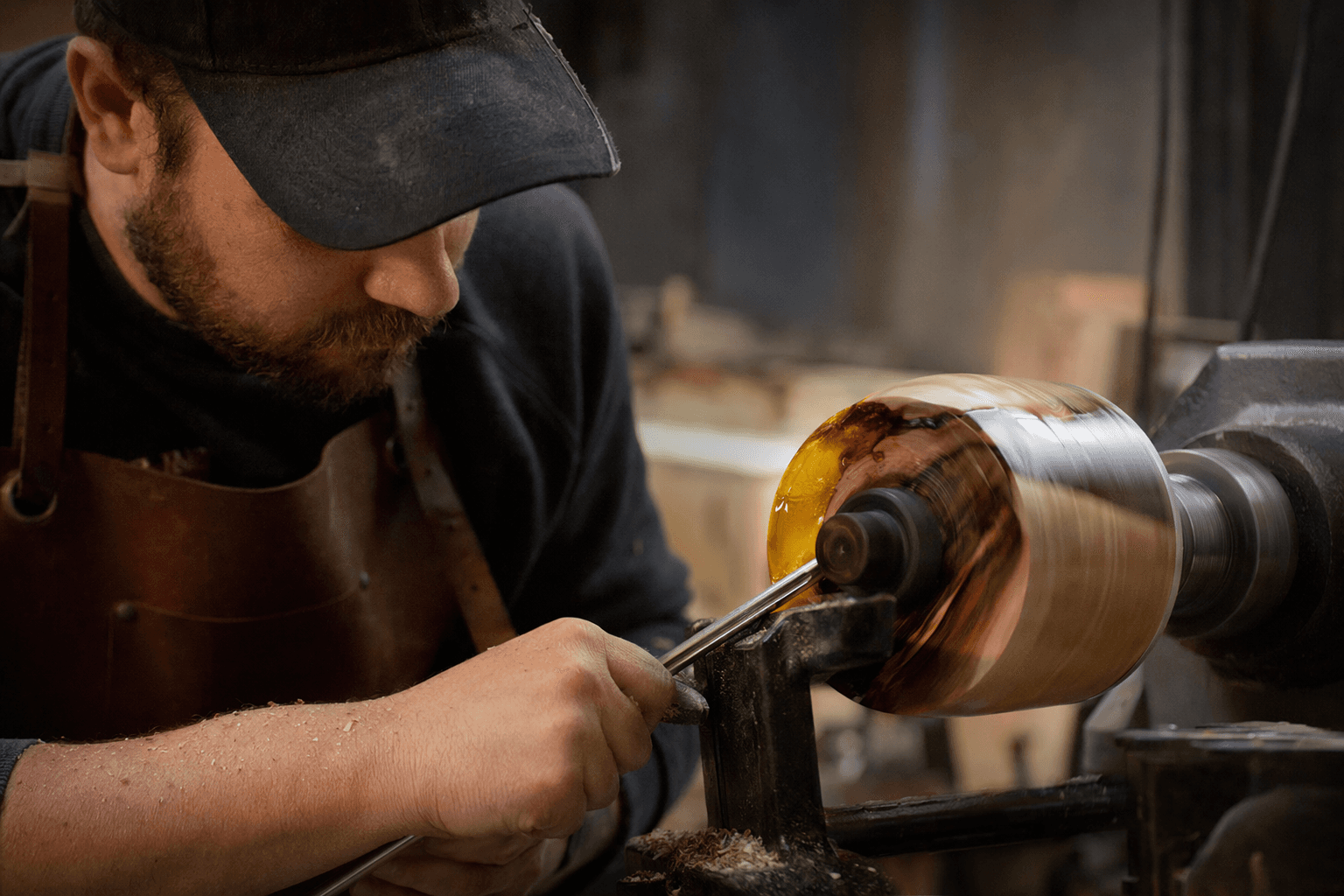
The basic resin workflow in woodturning is a series of decisions about control. First comes wood preparation, then mold building, then resin placement, then curing, then mounting the blank and turning it to shape. Each step is doing a different kind of stabilization. The wood has to be oriented so the split does not keep spreading. The resin has to be placed so it reinforces what the wood cannot hold on its own. The cure has to be complete before the blank ever sees serious lathe pressure.
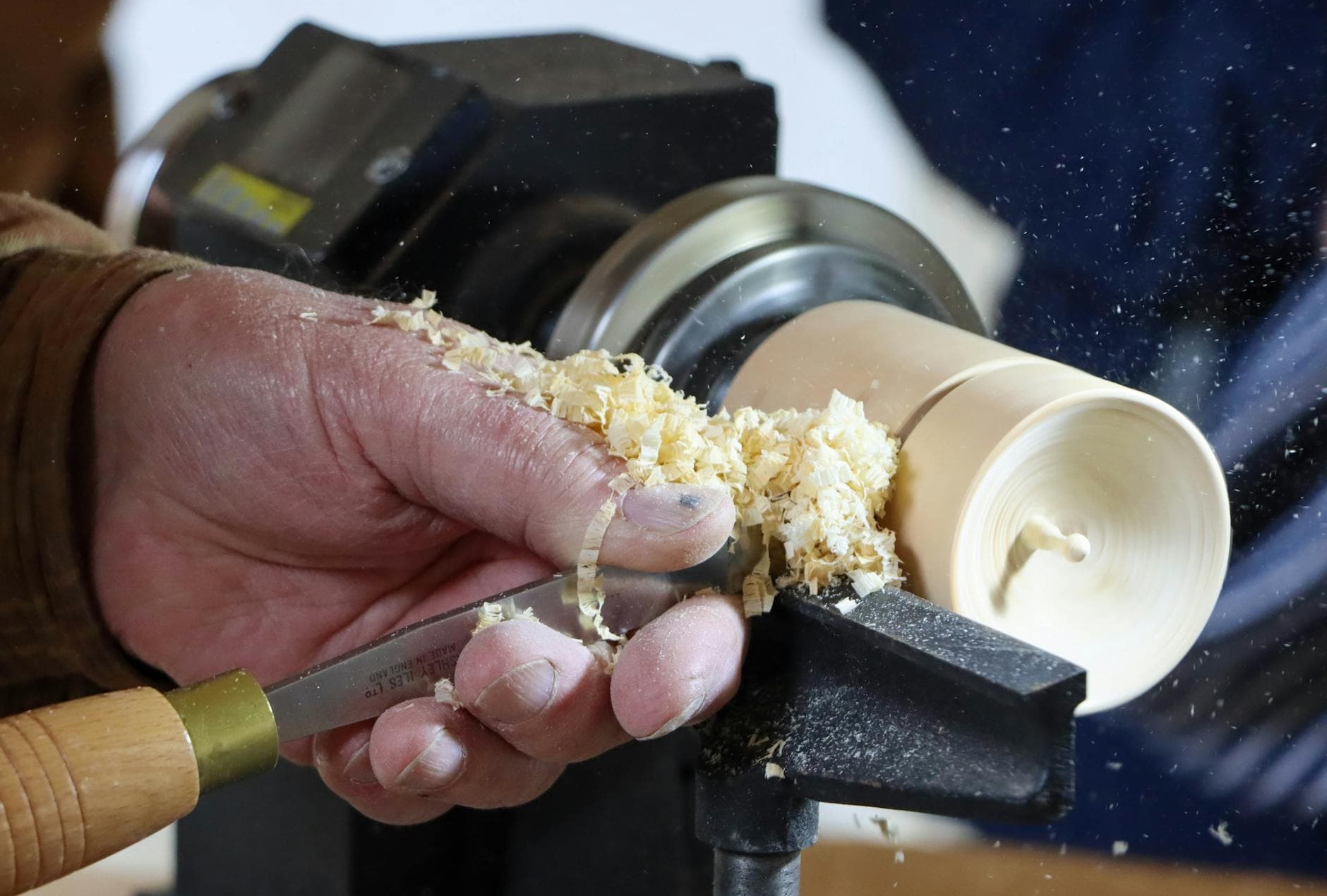
That process is also where the design compromise lives. Resin is not a magic fix, and it is not there to make the wood look untouched. It is there to make the blank workable and interesting. When the resin line is visible, it tells the story of the defect honestly. That is often what makes these pieces more satisfying than a perfect board turned into a perfect mug. The object is better because it had to adapt.
Safety and surface choices are part of the story
Any resin-forward turning project brings its own rules, and this one is no exception. Resin-turning guidance consistently emphasizes eye protection, gloves, ventilation, and careful curing. Those are not decorative precautions. They are the difference between a satisfying rescue and a messy, unsafe shop session. When resin is being used to stabilize a split blank, patience matters as much as shape.
Surface prep matters just as much. A resin-finishing guide warns that flaws are not hidden by epoxy, they are highlighted. That is exactly why the blank has to be chosen and prepared with care. If the split edges are ragged or the blank is badly aligned, the finished mug will advertise every mistake. In a project like this, the resin does not forgive poor prep. It exposes it.
Why this kind of project keeps turning up
The recurring appearance of beer mugs in turning videos says something important about the hobby. Turners keep returning to the form because it is recognizable, satisfying, and adaptable. One maker turns walnut, another reaches for elm, another uses scraps and epoxy, but the logic stays the same: a familiar household object becomes a canvas for problem-solving at the lathe. The split-wood version just pushes that logic further.
That is also why this kind of rescue project travels so well inside the turning community. It shows technique, but it also shows judgment. The interesting part is not only how the mug is shaped, but why this blank was worth saving in the first place. That is the kind of decision other turners can immediately evaluate in their own shops.
A stronger hook than a polished save
There is a reason this project feels bigger than a simple make-and-fix. A flawless mug proves skill. A rescued mug proves judgment. The split wood, the resin fill, and the finished beer vessel together make a compact argument that a damaged blank can still become something worth holding, pouring from, and keeping.
That is the deeper appeal of this project in the broader world of turning. Woodturning magazine’s reach in more than 60 countries shows how widely these material transformations resonate, and this is exactly the kind of piece that fits that audience: a practical object, a visible repair, and a material gamble that paid off. In the end, the beer mug matters because it keeps the rescue from feeling like a demo. It becomes a tool, a story, and a reminder that the right compromise can make a split blank stronger than perfection ever would.
This article was produced by Prism’s automated news system from verified source data, official records, and press releases, then run through automated quality and moderation checks before publishing. The system is built and supervised by the people who set the standards it runs under. Read our full AI policy.
Did this article answer your question?