Woodcraft St. Louis bowl-turning class makes beginner lathe work accessible
A $95, three-hour bowl class in St. Louis uses Easy Wood carbide tools to cut the sharpening anxiety out of a beginner’s first real lathe project.

A bowl class built to remove the scary parts
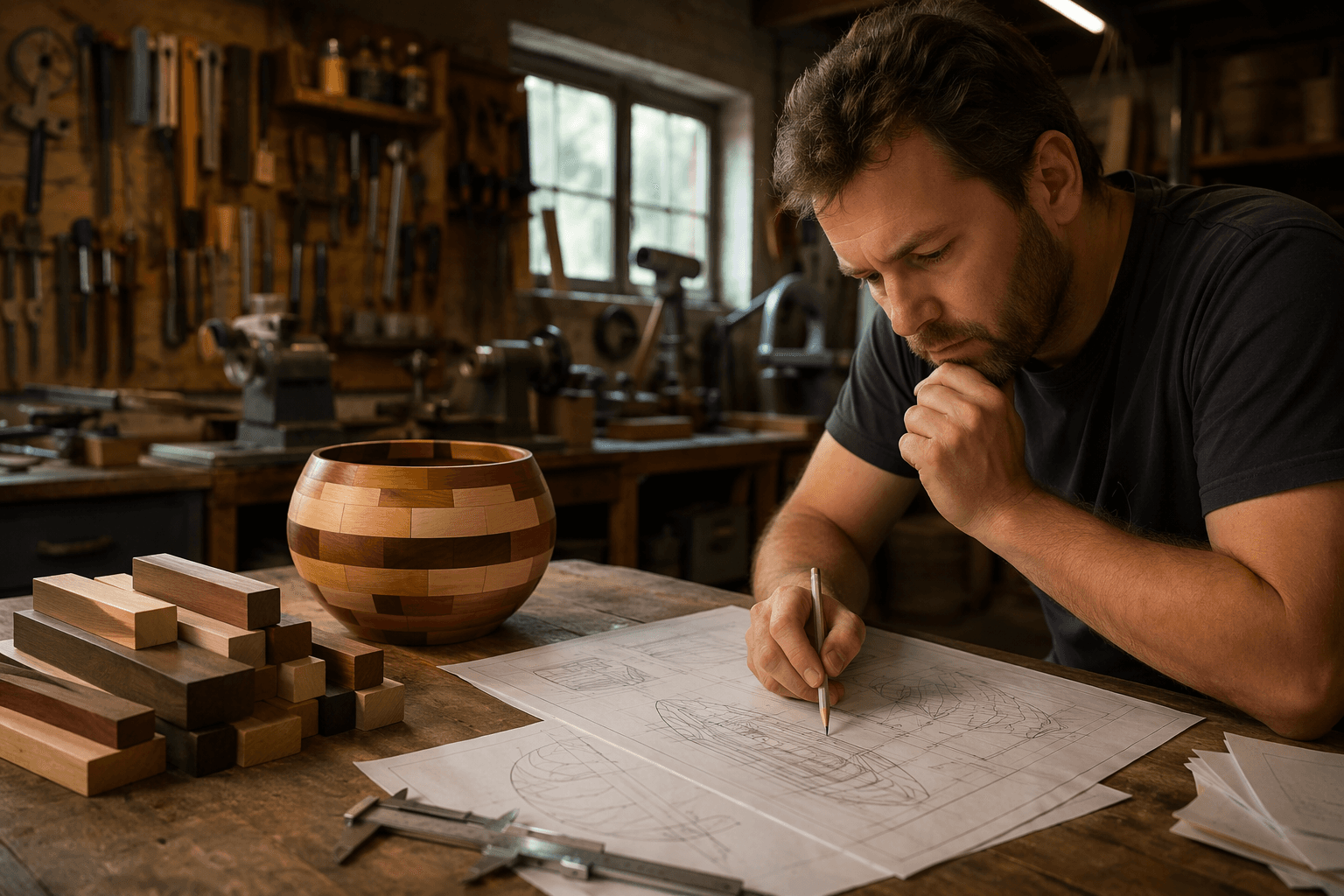
Woodcraft St. Louis - Maryland Heights is doing something smart with its Make a Project: Wood Bowl w/Easy Wood Tools class. The session runs Sunday, April 26, 2026, from 11 AM to 2 PM, is listed as an all-levels class, and costs $95.00. A second identical class is scheduled for Sunday, May 3, 2026, which tells you this is not being treated like a one-off novelty. It is being offered as a repeatable entry point.
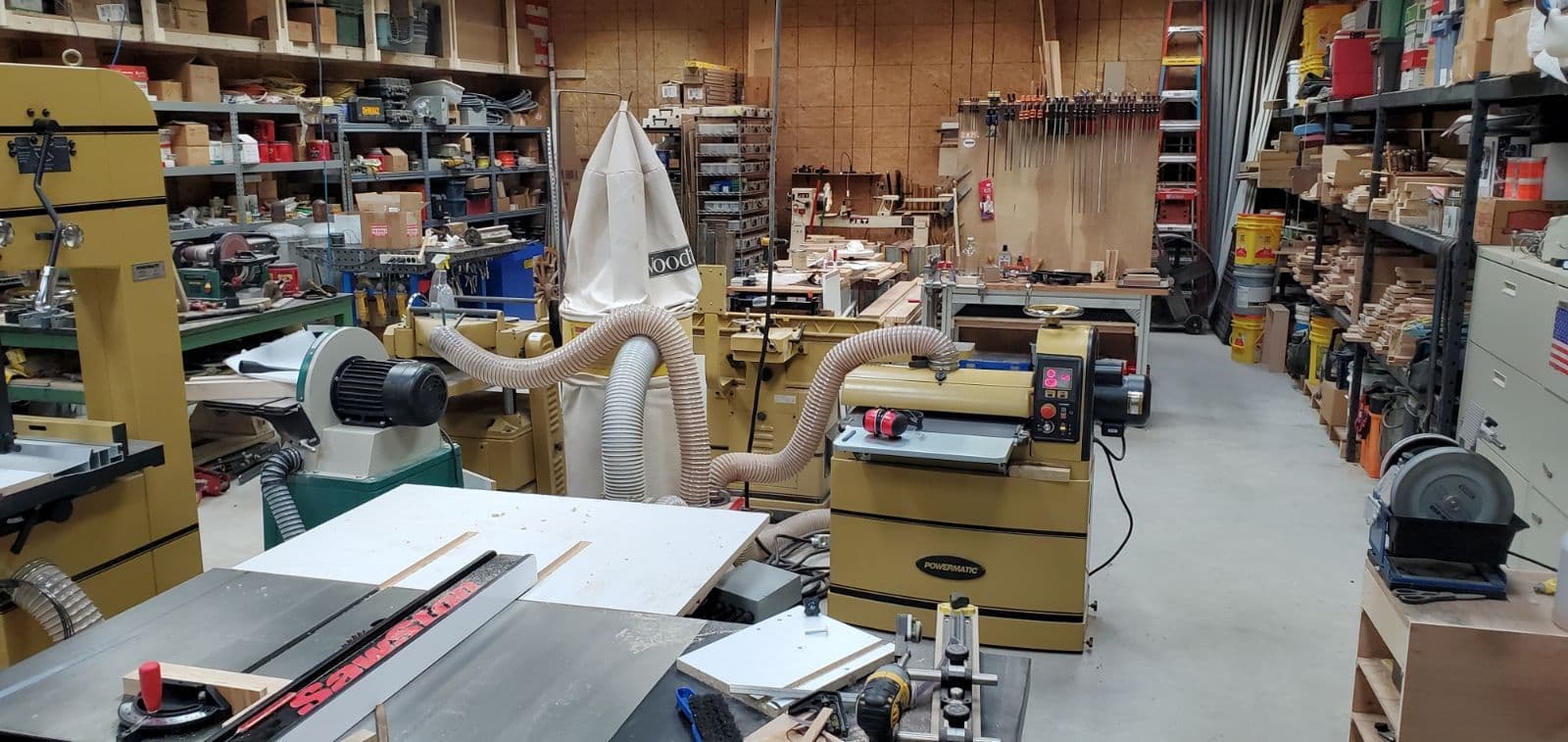
The location matters too. Woodcraft of St. Louis - Maryland Heights sits at 2077 Congressional Drive, St. Louis, MO 63146, and the store says it has been trusted by makers since 1928. That kind of longevity gives the class more weight than a casual demo night. It places bowl turning inside a store culture that already sells tools, lumber, advice, free monthly woodworking demos, and seminars, so the class fits into a larger path from curiosity to competence.
Why Easy Wood Tools changes the first-bowl experience
The real hook in this listing is Easy Wood Tools. That branding tells experienced turners exactly what kind of teaching environment this is likely to be: carbide tools, simple cutting geometry, and less dependence on a beginner knowing how to grind a bowl gouge before they ever touch a blank. Easy Wood Tools says its turning tools are designed to make woodturning “safer, easier, better, and more fun,” and that pitch lands because so much beginner fear comes from the stuff around the cut, not the cut itself.
Traditional bowl turning asks a lot at once. You need to understand the grind on the gouge, how to present the edge, how not to catch, and how to keep your body and toolrest in the right relationship to the spinning wood. Easy Wood’s Easy Start line is described as “a perfect place for newbies,” and it is aimed at users making small bowls or other small shapes. That is exactly the kind of product language that lowers the barrier for a first-timer who wants to make something real without first becoming a sharpening expert.
The other important detail is the carbide cutter approach itself. Easy Wood Tools says its carbide cutters transformed the turning world with replaceable cutters designed specifically for turning. That matters because the beginner does not have to wonder whether a dull edge, a bad grind, or a bad sharpening session ruined the bowl. With carbide, the tool system does more of the work, and the student can focus on posture, feed, and control.
What bowl turning still demands
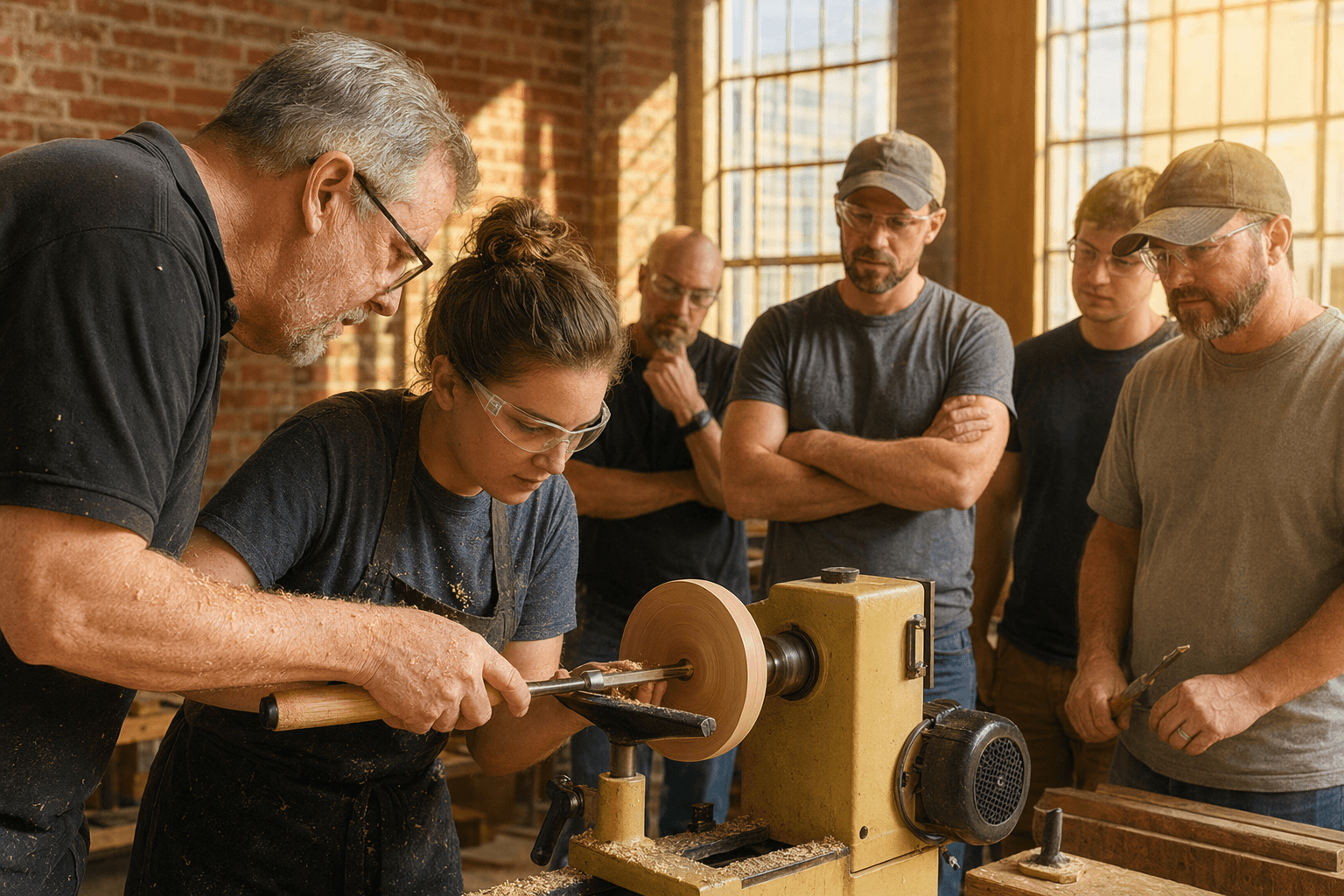
This class may be friendlier, but it is still teaching an honest woodturning project. The American Association of Woodturners has long framed bowl work as part of the craft’s core skill set, and its beginner materials make clear that bowls are generally turned in faceplate orientation. That means the blank is mounted in a way that exposes end-grain-heavy work and requires the turner to stay aware of movement, balance, and cutting direction.
AAW’s safety guidance is the reminder every new turner needs to hear before getting too relaxed: always contact the toolrest before contacting the wood. That sounds basic, but it is exactly the kind of habit that keeps a first bowl from becoming a panic session. AAW also emphasizes tool control, riding the bevel, and understanding grain direction as foundational skills for safer turning, which is why bowl work is often easier after the fundamentals are in place.
That tension is what makes the Woodcraft class interesting. It does not pretend bowls are trivial. It simply uses a tool system that cuts out one of the biggest early obstacles, the need to master sharpening and grinding before you can even start. For a lot of people, that is the difference between signing up and walking away.
What a beginner can realistically get done in three hours
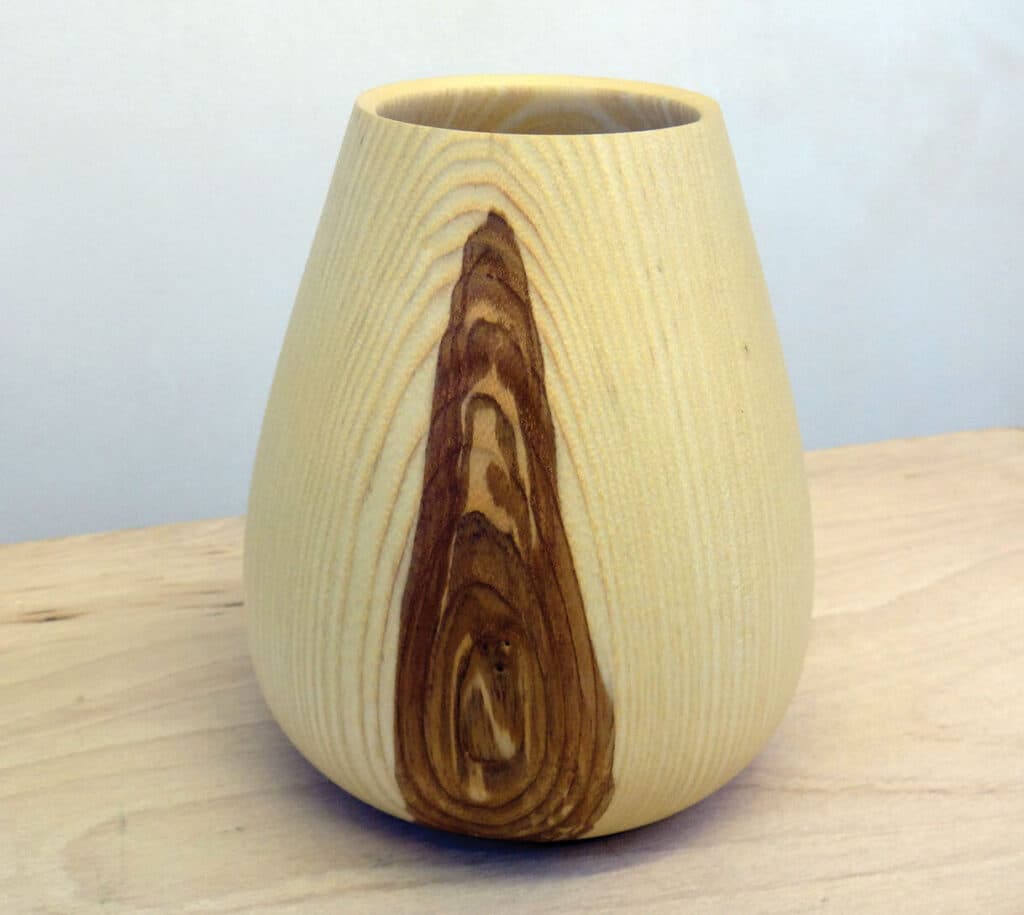
Three hours is not enough time to become a confident bowl turner, and that should not be the expectation. What it can do is get a beginner through the first real sequence of bowl work: mount the blank, make the early shaping cuts, get a feel for tool presentation, and leave with a visible, tangible result instead of a pile of shavings and notes. In a class built around carbide tools, that result is likely to be a small bowl or at least a bowl-shaped project that proves the process works.
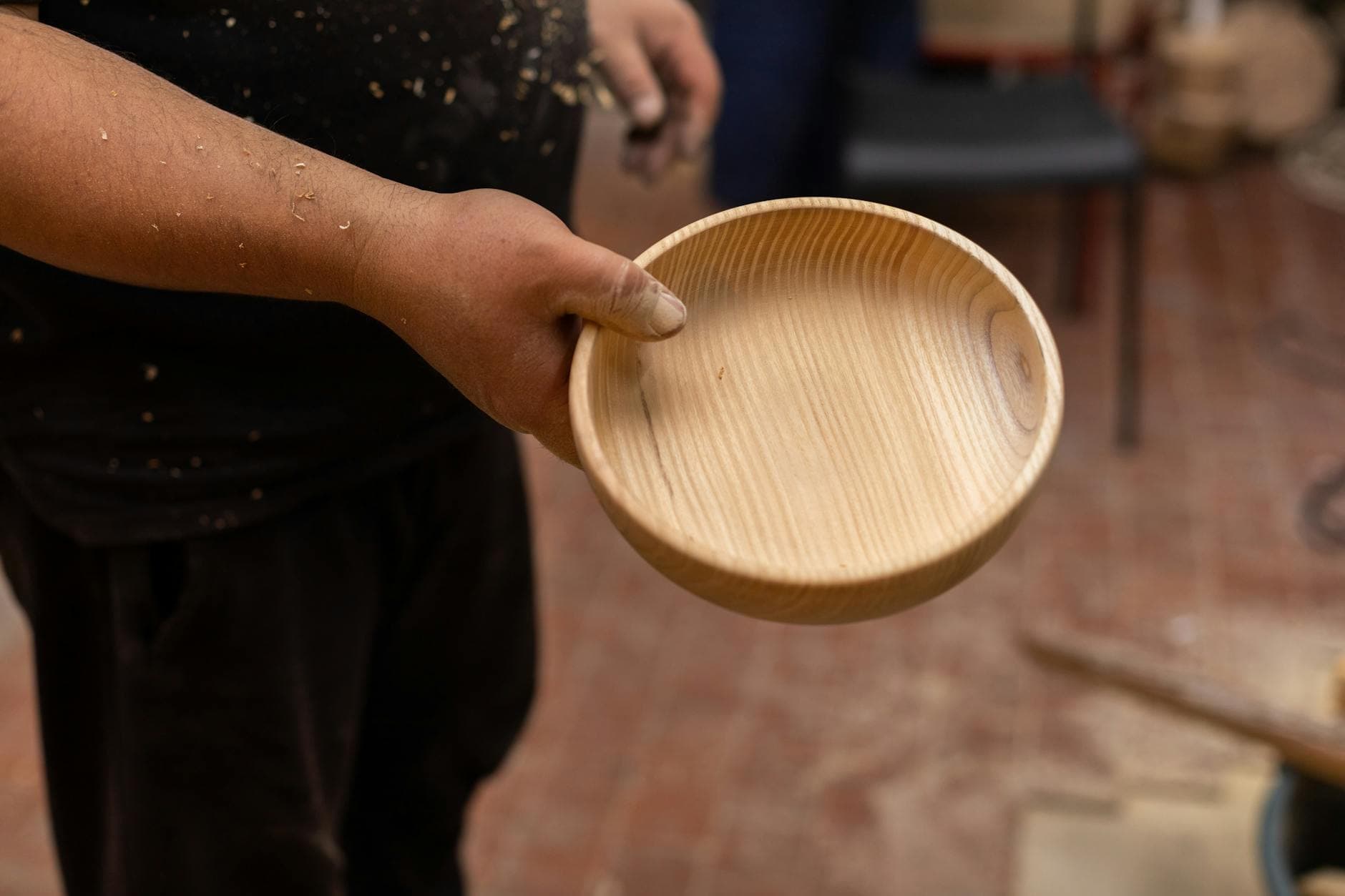
That first success matters more than people outside the craft usually realize. Bowl turning has a way of looking either mysterious or dangerous from the outside. Once a student sees a cutter remove wood cleanly and safely, the whole lathe changes shape in their head. The fear goes down, the vocabulary starts to make sense, and the next project stops feeling like a leap.
The class price also keeps the risk reasonable. At $95.00, it is much easier to justify than buying a lathe, a full set of gouges, sharpening gear, and all the supporting kit before you know whether bowl turning is for you. That is a big reason retail classes work: they let students rent confidence for an afternoon.
Why classes like this may be woodturning’s best recruitment channel
Retail instruction is becoming one of the most effective ways to bring new people into the hobby because it compresses the learning curve. Woodcraft’s broader class marketing stresses hands-on woodworking training that builds skills, confidence, and project fundamentals, and its demo pages position these events as a way to get first-hand experience in a fun, supportive setting. That formula is powerful in woodturning, where the jump from reading about a bowl gouge to using one safely can feel bigger than it looks on paper.
The St. Louis listing also hints at demand, or at least at a willingness to repeat what works. The identical May 3 session suggests the store sees enough interest to run the bowl project again right away. That is exactly what a healthy recruiting channel looks like: one good class leads to another, then to repeat visits, then to tools, blanks, consumables, and more ambitious forms.
For the hobby, that is the real story here. A trusted local store, a beginner-friendly carbide system, and a simple bowl project are working together to make the lathe feel less like a test and more like an invitation. If bowl turning has a front door, this is what it looks like now: clear pricing, short time commitment, and a tool setup that gets new turners cutting wood before fear can talk them out of it.
This article was produced by Prism’s automated news system from verified source data, official records, and press releases, then run through automated quality and moderation checks before publishing. The system is built and supervised by the people who set the standards it runs under. Read our full AI policy.
Did this article answer your question?