Woodturners debate Tried and True finish coats, buffing, and wax sheen
Tried and True Original usually fails expectations, not the bowl: one thin coat, full dry-down, and realistic sheen targets matter more than extra buffing.

Before you blame the finish
The most common mistake in this kind of bowl-finishing conversation is assuming an oil finish should act like a film finish. In the forum exchange, the turner was working dry wood bowls, watching the finish disappear almost immediately, and adding coat after coat with 0000 steel wool in between, then wondering why the result stayed at a soft luster instead of a true shine. That’s the right moment to pause and diagnose the process, because Tried and True Original is built to leave a lower-gloss, antique look, not a mirror surface.
The first question is whether the wood is thirsty or whether the application method is doing the wrong job. On end grain, a dry bowl will drink finish fast, and that can make a “light coat” feel as if nothing is happening. But the key misunderstanding in the thread was simple: a light coat does not mean keep flooding the surface until it stops absorbing. It means apply a single thin coat, let it work, then rub it back completely dry.
What “light coat” actually means
Tried and True’s own application guidance is plain about the sequence. Apply a very thin coat, let it penetrate for a minimum of 60 minutes, then rub the surface completely dry. The company also says to burnish with 0000 steel wool before every coat. That is a very different routine from laying down five wet coats and hoping the gloss builds through sheer volume.
That distinction matters because oil finishes behave differently from varnish, shellac, or lacquer. Oils cure into the wood and on the surface in a way that can feel rich and tactile, but they do not build the kind of shiny film that a true surface finish can create. One reply in the thread nailed the practical point: if you want a reflective film, you need a film finish. If you want the natural, low-sheen feel of an oil-and-wax system, Tried and True is already doing what it was designed to do.
Why the five-coat routine was fighting the product
The forum poster said they were already at five coats with buffing between each one and still only getting a soft luster. That is not surprising, because Tried and True says not to apply more than three coats of Original Wood Finish. The product page describes Original Wood Finish as a polymerized linseed oil and beeswax blend used by woodworking professionals to achieve a lower-gloss, antique sheen, and the company describes the finished surface as silky, smooth, and satin rather than glossy.
That is the heart of the troubleshooting update: the issue is not necessarily poor technique, but a mismatch between process and expected result. More coats may deepen the sheen and increase protection within the system, but they do not transform the product into lacquer. If you’re chasing a brighter reflection by adding more oil, you are asking the finish to do a job it was never meant to do.
Buffing helps, but it has a ceiling
Buffing between coats is often treated like a gloss generator, especially by turners who are used to chasing a polished bowl. In practice, 0000 steel wool is part of surface preparation and leveling inside an oil finish system, not a magic gloss switch. The thread’s replies made that clear, and Tried and True’s own instructions back it up: burnish before every coat, then let the oil cure.
The other trap is impatience. Tried and True says the finish should cure for 24 hours, while the forum reply reminded the poster that oil finishes can continue curing for days or even weeks. That is why the fingerprint test matters. If the finish still transfers or feels unsettled, it is not ready to judge. Too many turners evaluate the sheen before the finish has actually settled, then start layering on more product or more aggressive buffing in response to a problem that was really just time.
Wax adds feel and warmth, not a miracle gloss
The question about Renaissance Wax is another classic turning misunderstanding. Wax can absolutely change the final feel of a bowl, and it can add a little visual lift, but it will not turn an oil finish into a gloss surface. The reply in the thread was blunt on that point, and the broader finishing context supports it.
Renaissance Wax was originally formulated in the British Museum’s Research Laboratories and has been marketed worldwide since 1968. Conservation literature describes it as buffing to a hard, transparent film with an attractive lustre. That is useful, but it still isn’t the same thing as a built-up film finish on turned wood. On a bowl that already reads as satin, wax may sharpen the look a bit. It will not rescue a finish that is already fundamentally low-sheen by design.
What the turning community keeps saying about gloss
The reason this debate keeps coming up is that turners often judge finish by furniture standards, then wonder why a bowl looks different. The American Association of Woodturners points out that gloss depends heavily on surface smoothness, and that oils and sealers are usually part of a process rather than a standalone route to gloss. That is a useful reminder for anyone finishing a platter, hollowform, or salad bowl and expecting the same optical pop you’d get from a sprayed film.
Richmond Woodturners goes even further in Mark F. Palma’s finishing handout. Most people, it says, choose a finish that is too glossy for their turnings, gloss is not conducive to heavy use, and polyurethane, while a strong woodworking finish, is a poor finish for most woodturning. That perspective lines up neatly with the Tried and True debate: many bowls look better when they keep the wood’s character instead of looking plasticky.
How to diagnose the problem before you redo the bowl
If you have the same frustration, the fix starts with a quick reality check:
- If the wood is dry and the end grain is disappearing the finish, that is normal absorption, not a failure.
- If you are piling on wet coats, stop and switch to the thin-coat, rub-dry method.
- If you are past three coats of Tried and True Original, you are outside the product’s own guidance.
- If you want a mirror gloss, oil and wax are the wrong tools for that expectation.
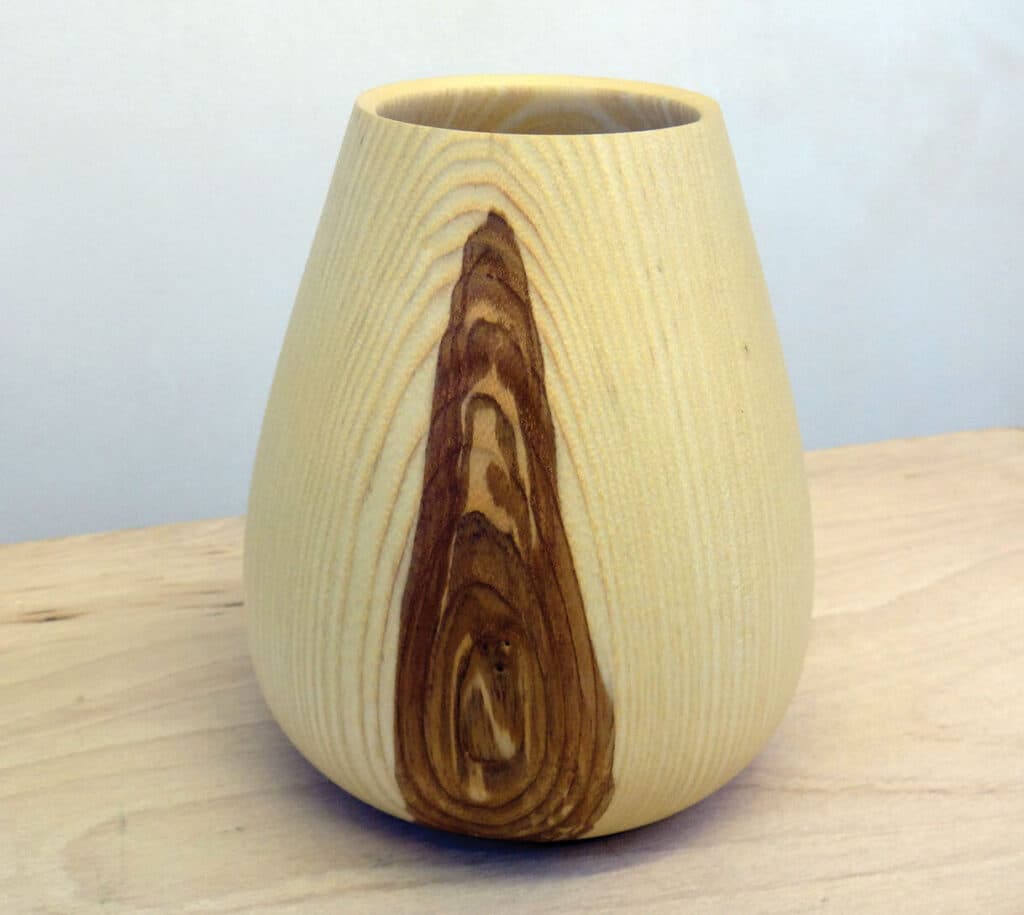
- If you want a warm, satin bowl with a hand-rubbed look, the finish may already be succeeding.
That is the useful lesson in the thread. Before you blame Tried and True, decide whether the bowl is being prepped like an oil finish or judged like a film finish. Once those expectations are aligned, the finish looks a lot less confusing, and the “problem” often turns out to be a perfectly normal satin sheen doing exactly what it was designed to do.
This article was produced by Prism’s automated news system from verified source data, official records, and press releases, then run through automated quality and moderation checks before publishing. The system is built and supervised by the people who set the standards it runs under. Read our full AI policy.
Did this article answer your question?