Woodturning safety habits that protect against dust, snags and blank failure
The safest lathe sessions are built in layers: inspect the blank, lock the setup, shield your face, and treat dust control like part of the cut.

“An accident at the lathe can happen with blinding suddenness,” John Ellis, chair of the American Association of Woodturners safety committee, says, while respiratory and other problems can build over years. The safest turners build a sequence before the motor hums: inspect the blank, lock the hardware, cover the face, and clear the air before the first cut.
Before startup: make the shop less hostile
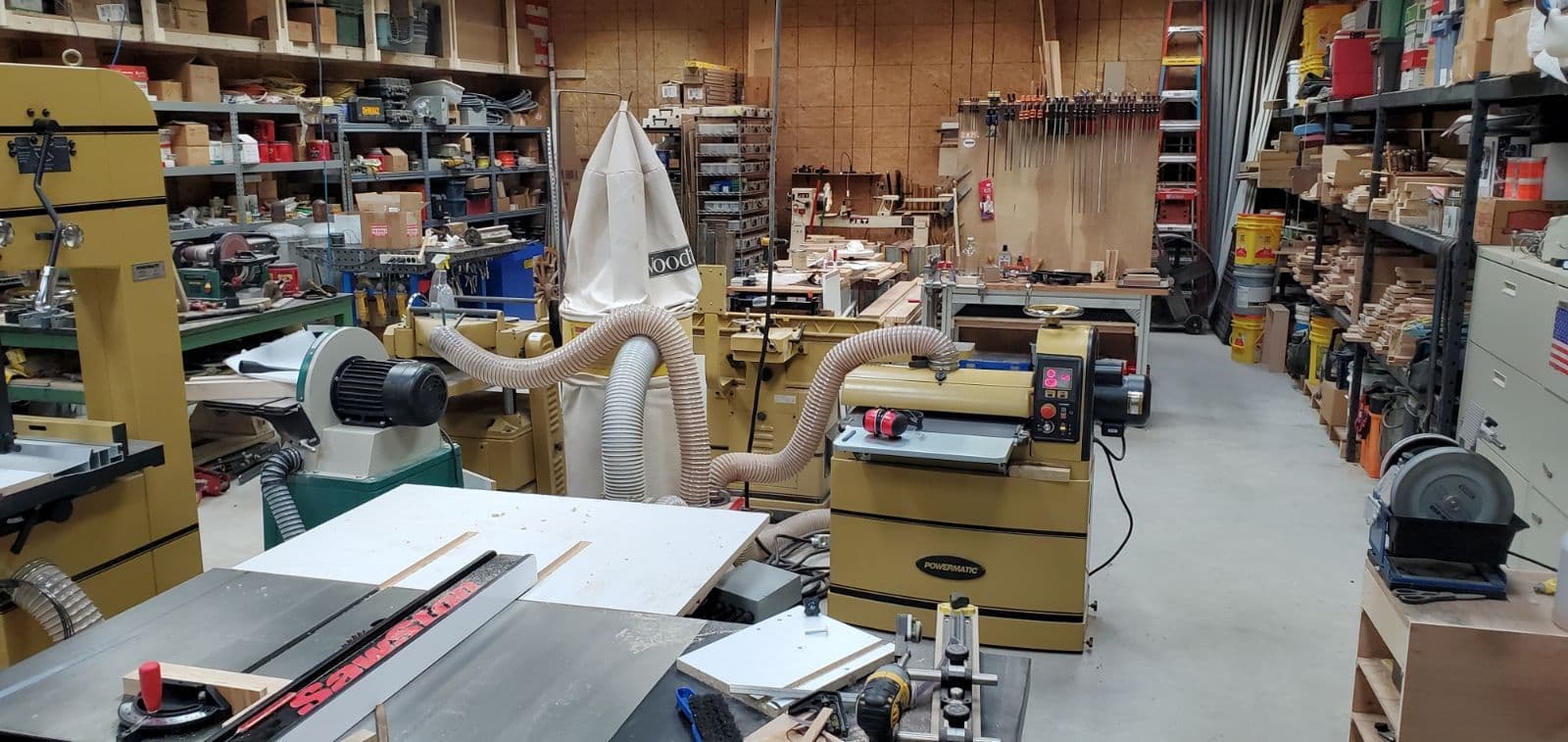
Safety begins with the room, not the spindle. Keep a fully charged fire extinguisher close at hand, avoid damp or wet locations, and stay away from flammable liquids, vapors, or gases. Remove shavings frequently, eliminate tripping hazards, and keep pets out of the shop.
This is also the point to dress for the work, not the pose. Wear a full-face shield for all woodturning operations whenever the lathe is turned on, and wear safety glasses for work done away from a running lathe. Tie back long hair, skip gloves, and avoid loose clothing, loose jewelry, or anything else that can catch on a spinning part or accessory. Hearing protection and proper footwear belong in the same routine, and so does a simple check that your job stays within your current skill level.
Workshop environment, equipment, PPE, blanks, safe techniques, and turning speeds all belong in the safety routine.
Mounting the blank: decide what deserves to spin
A blank that looks pretty is not automatically a blank that deserves to go on the lathe. Inspect turning stock for cracks, splits, checking, ring shake, knots, bark inclusions, and other defects, and be extra cautious with irregular or visibly compromised stock. If you are still building experience, avoid risky stock until you have more time on the machine.
A sound turning starts with understanding where the wood is weak, where the grain runs, and whether the piece is stable enough to survive mounting and roughing. Do not mount a questionable blank.
Before you power up, lock the tailstock and toolrest down and remove the chuck key and wrenches from the machine. A lathe does not care whether a key was left in the chuck by accident, and it will not forgive a loose setup. Everything gets checked with the spindle still stopped.
Roughing and shaping: treat faceplate work like a projectile problem
Once the lathe is running, face protection is mandatory. Use a full-face shield whenever the lathe is turned on, period. The Association of Woodturners of Great Britain treats eye and face protection as a minimum standard in both professional and hobby shops.
A visor is generally recommended for faceplate and side-grain work, because the risk of a large piece leaving the lathe is higher, while goggles may be adequate for spindle work. If there is any doubt, use the visor. Demonstrators and tutors must emphasize protective eyewear, and eye protection should be worn when using a bench grinder.
Faceplate work is the classic projectile scenario, and the shield is there to catch the kind of fragment that turns a good turning session into a trip to urgent care. OSHA’s 2022-2023 Severe Injury Report shows an average of 27 severe injuries and illnesses reported per day to federal OSHA, including inpatient hospitalizations, amputations, and eye loss.
Speed selection belongs in the same safety system. Turning speed is part of safe practice alongside equipment, PPE, blanks, and technique. A blank that is stable enough to start roughing is still asking for trouble if the setup, the rest, or the speed is wrong for the cut in front of you.
Sanding and dust control: make the air part of the setup
Dust is not a cleanup issue after the fact. OSHA says wood dust exposure has long been associated with dermatitis, allergic respiratory effects, mucosal and nonallergic respiratory effects, and cancer. OSHA also says certain hardwoods, including oak, mahogany, beech, walnut, birch, elm, and ash, can cause nasal cancer in woodworkers when exposures are high.
OSHA gives a nuisance-dust permissible exposure limit of 15 mg/m3 total dust and 5 mg/m3 respirable fraction over an 8-hour time-weighted average, while the National Institute for Occupational Safety and Health recommends 1 mg/m3 total dust. Use a dust mask, filtering respirator, or powered air filtration respirator, together with dust collection and proper ventilation.
Use powered dust extraction while sanding or generating dust. Fine wood dust and grinder dust both belong in the respiratory hazard category, not the “vacuum it later” category. Exotic woods and spalted woods deserve special caution too, because they can trigger skin or respiratory reactions that turn a pretty blank into a problem you feel long after the cut.
Finishing and shutdown: leave the shop safer than you found it
The last part of a turning session is not an afterthought. Keep shavings moving out of the way, clear tripping hazards before they pile up, and keep pets out of the shop from the moment the lathe starts until the machine is fully stopped. If you are using finishes or solvents, the AAW’s warning about flammable liquids, vapors, and gases becomes especially relevant, and the fire extinguisher should still be within reach.
Never leave the lathe running unattended. Stop the machine, step back, and reset the space before the next move.
This article was produced by Prism’s automated news system from verified source data, official records, and press releases, then run through automated quality and moderation checks before publishing. The system is built and supervised by the people who set the standards it runs under. Read our full AI policy.
Did this article answer your question?